3 hr
Hands-On Ramen & Gyoza Cooking Class in Dotonbori
- Entry ticket
- Mobile voucher
- Valid same day
- Free cancellation
Osaka Cooking Class — Sushi, Ramen & Okonomiyaki Workshops
Roll sushi, simmer dashi, flip batter on a steel griddle in Namba's heart
Compare fares, pick the fit — all bookings are mobile-voucher and eligible for free cancellation where shown.
3 hr
1 hr 40 min
1 hr
| Experience | Duration | Rating | Guide | Small group | Free cancel. | Price | |
|---|---|---|---|---|---|---|---|
|
Standard Entry
Most popular
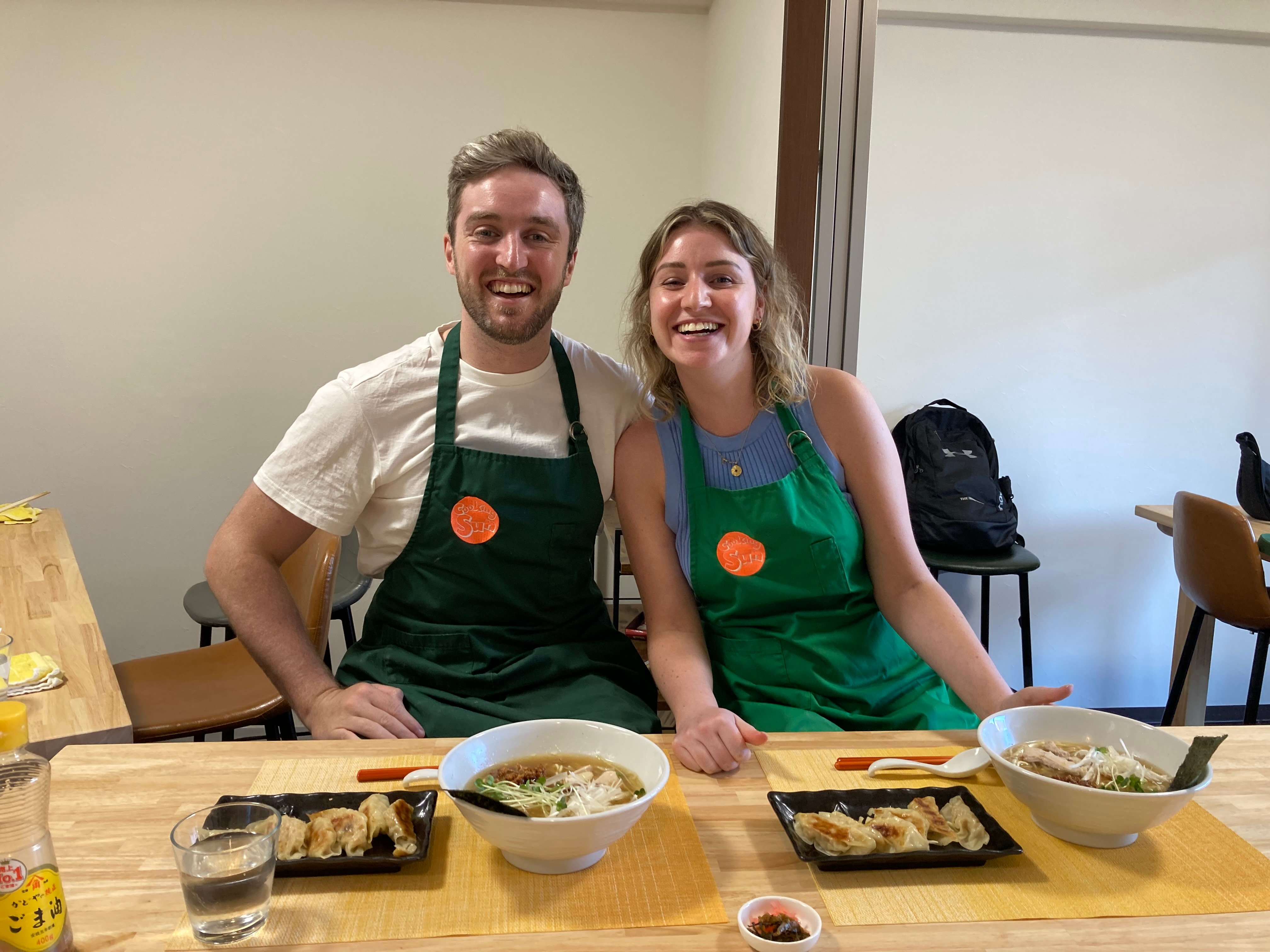
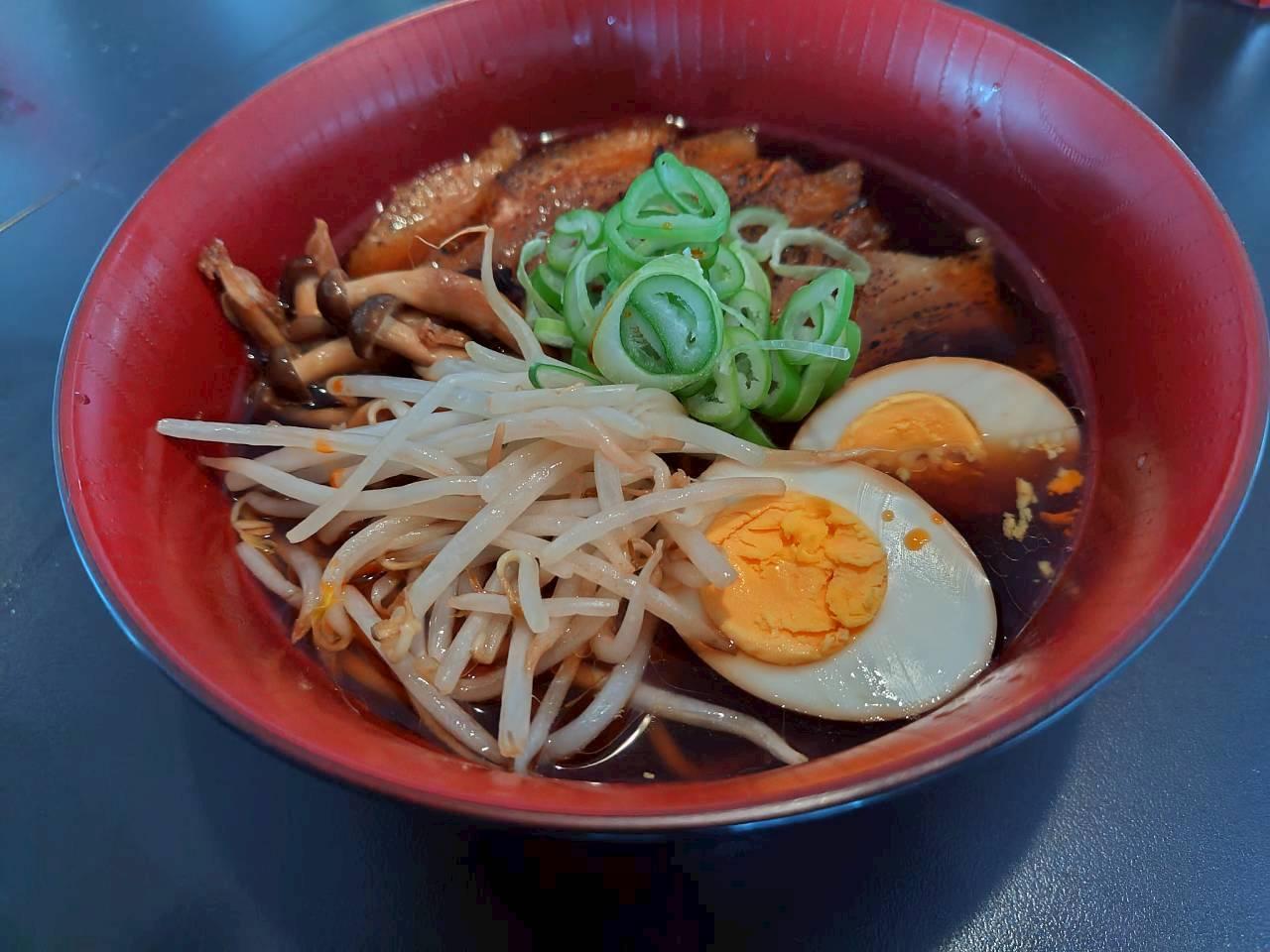
Hands-On Ramen & Gyoza Cooking Class in Dotonbori
|
3 hr | ★ 5.0 | — | ✓ | ✓ | $70 | Book → |
|
Standard Entry
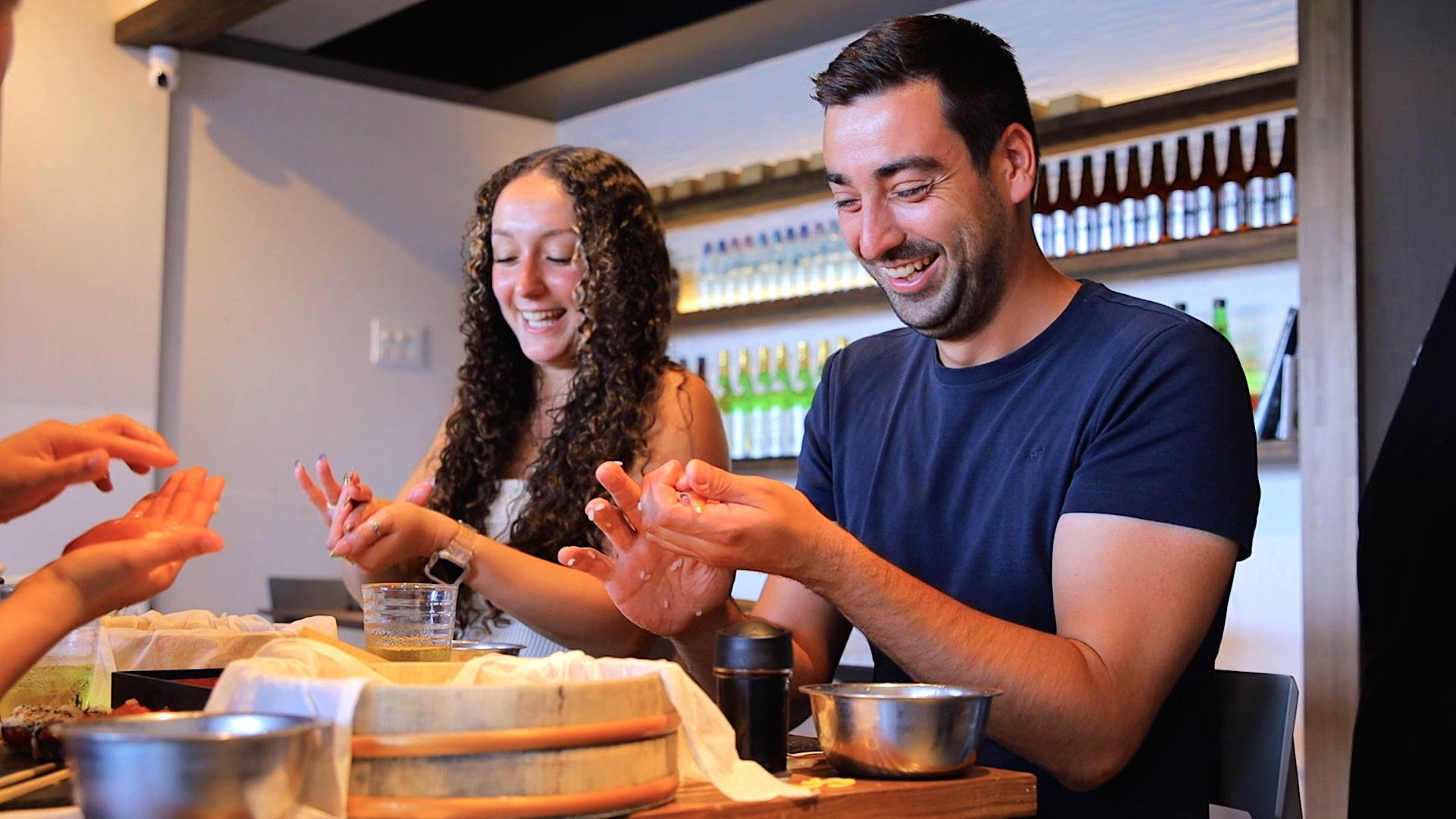
Roll & Authentic Sushi Making Class in Dotonbori
|
1 hr 40 min | ★ 4.9 | — | — | ✓ | €39 | Book → |
|
Standard Entry
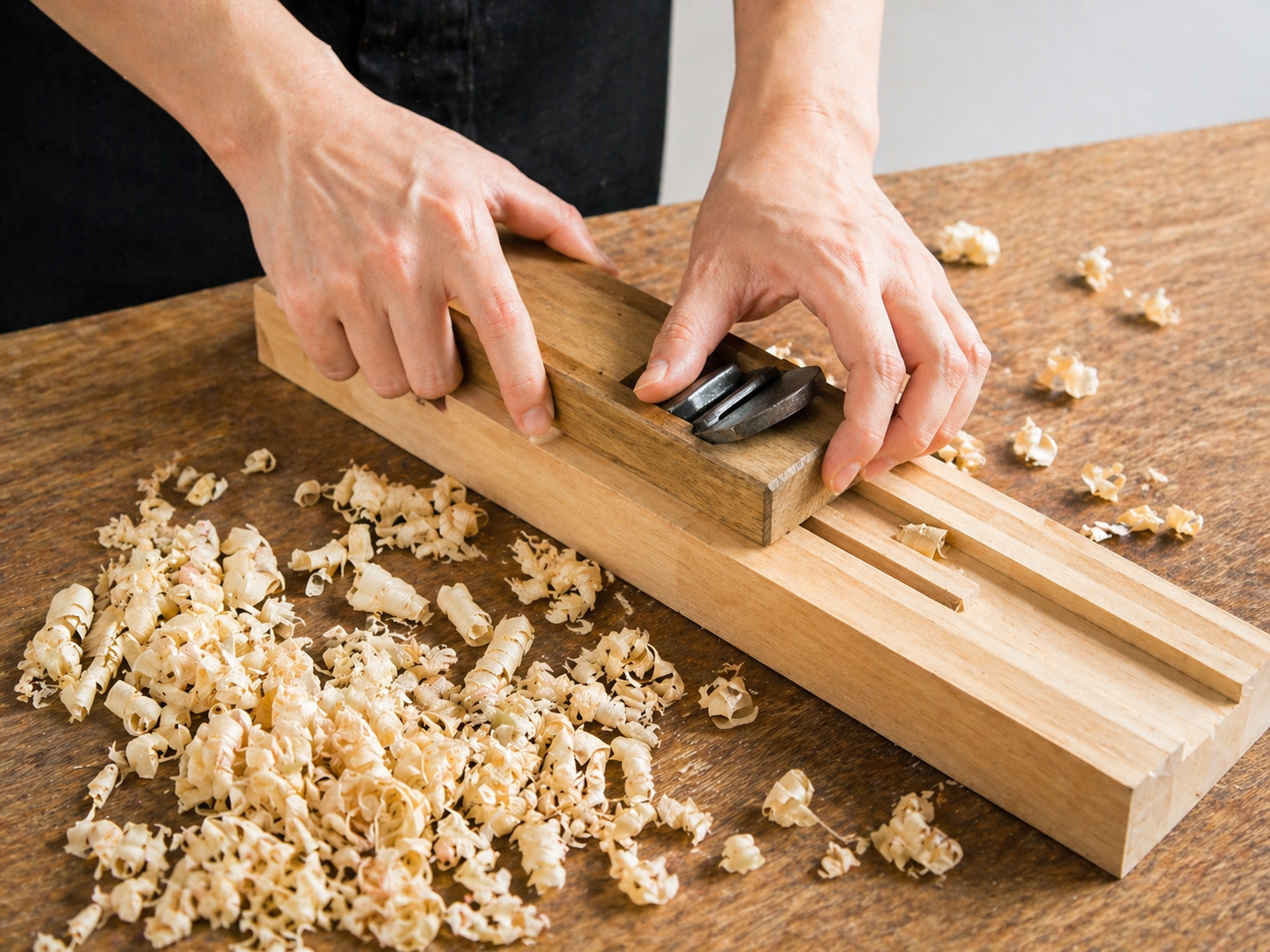
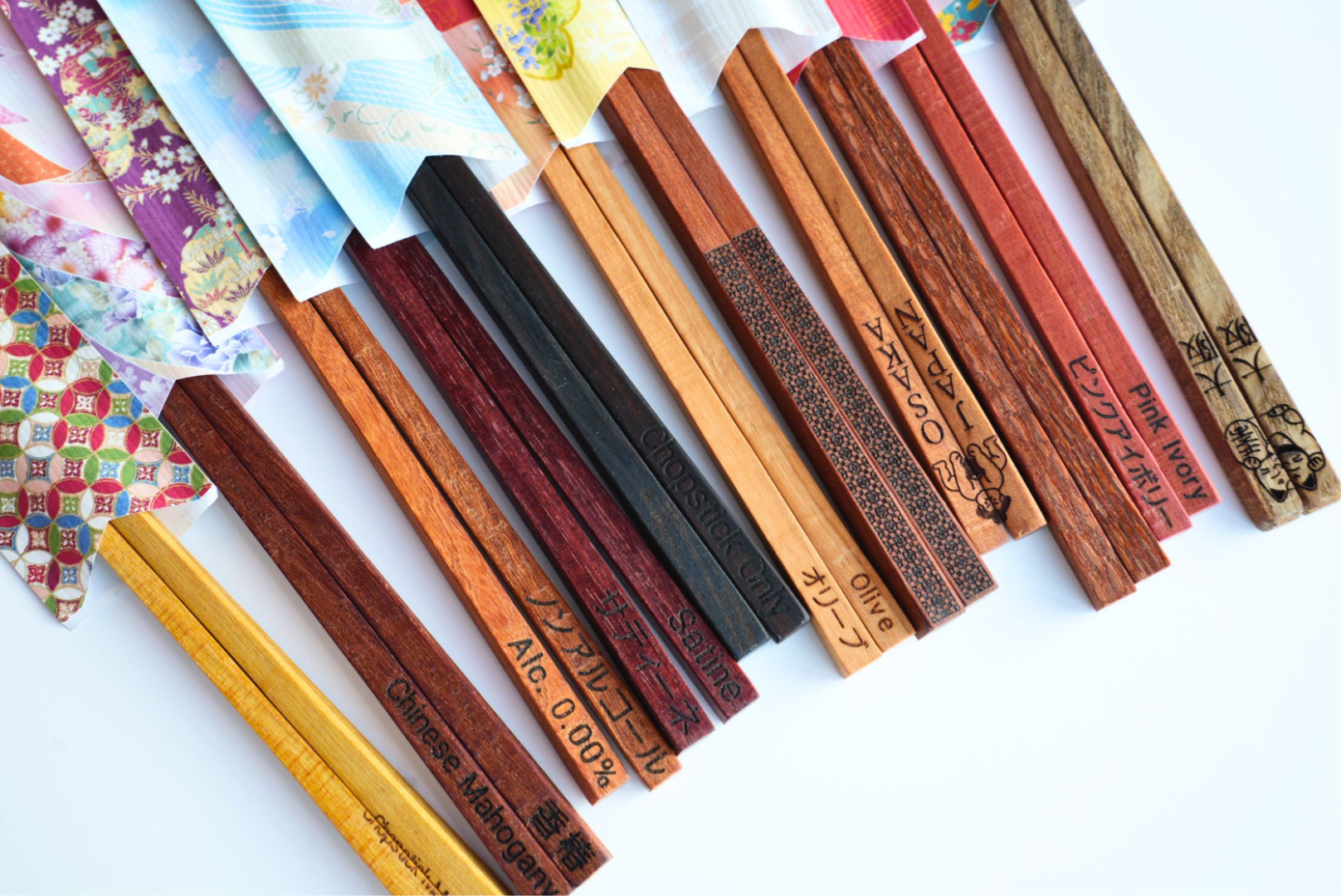
Osaka Castle Chopstick Crafting Workshop with Keepsake
|
1 hr | ★ 5.0 | ✓ | ✓ | ✓ | $8 | Book → |
Worth it for culinary travelers seeking hands-on experience
At 7,000 JPY per person, this osaka cooking class sits comfortably between a mid-range restaurant meal (3,000-5,000 JPY) and a premium omakase experience (15,000+ JPY), but delivers something neither can: direct instruction in sushi-making techniques you'll use at home. The 90-minute hands-on session in Namba covers rice preparation, knife skills, and rolling methods under the guidance of experienced instructors, then lets you eat what you've made. Compare that to passive dining and the value proposition sharpens—you're paying for culinary education, not just consumption. The class works best for travelers who want cultural immersion beyond temple visits, couples looking for an interactive date activity, and home cooks eager to master authentic techniques. If you'd spend similar money on a forgettable dinner anyway, redirecting it toward osaka cooking class tours makes economic and experiential sense. Skip it only if you're indifferent to food culture or already confident in Japanese cooking methods.
Bottom line: For the price of a good meal, you gain skills that outlast the trip and a story worth more than osaka cooking class tickets alone suggest.
Hand-picked experiences loved by thousands of travelers
2 hours
Free Cancellation
Roll up your sleeves and craft authentic Japanese ramen and dumplings from scratch in central Osaka.
2 hours 30 minutes
Free Cancellation
Master Japanese noodle-making and dumpling-folding techniques while overlooking Namba's skyline
1 hour
Free Cancellation
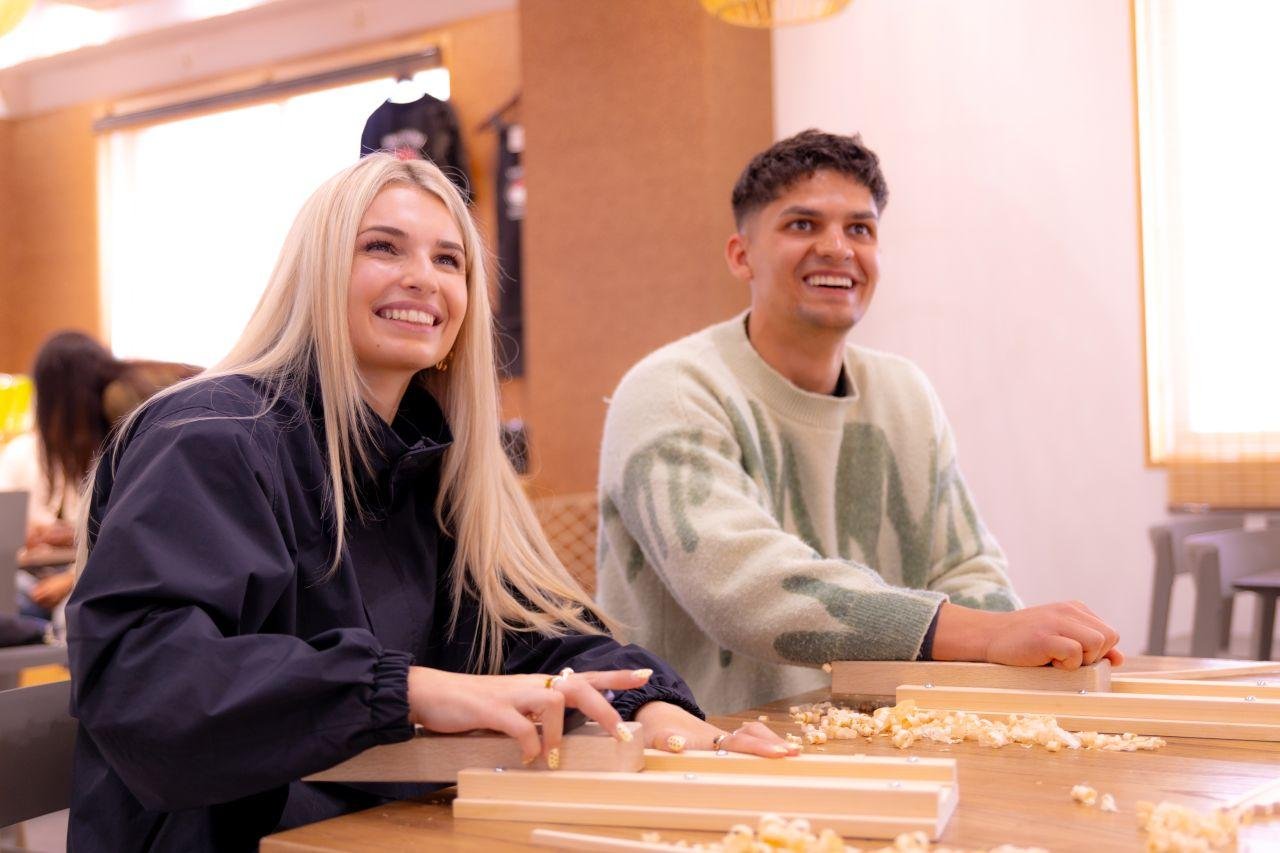
Shape, carve, and finish your own wooden chopsticks guided by a local craftsman in this hands-on cultural experience.
2 hours
Free Cancellation
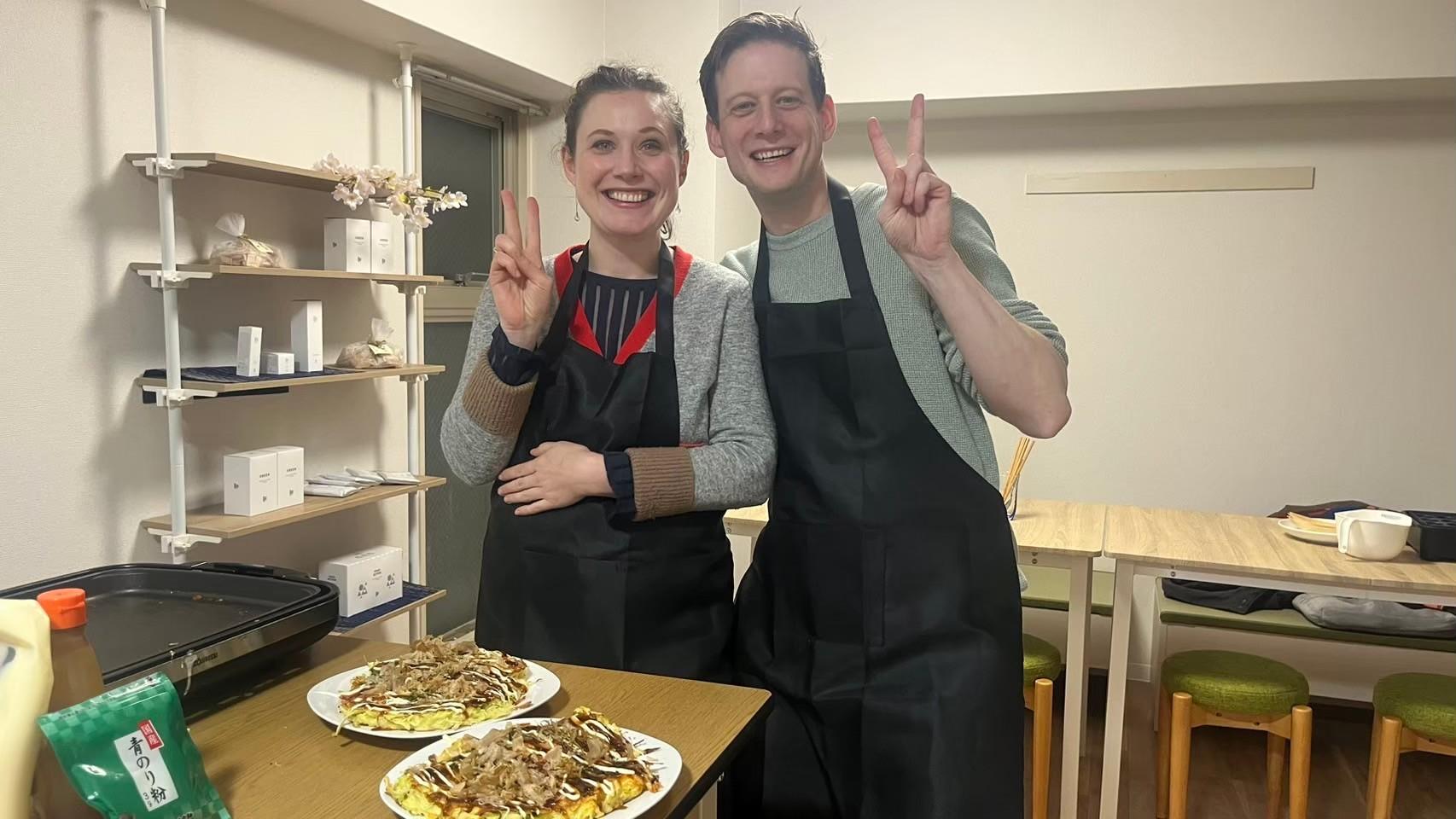
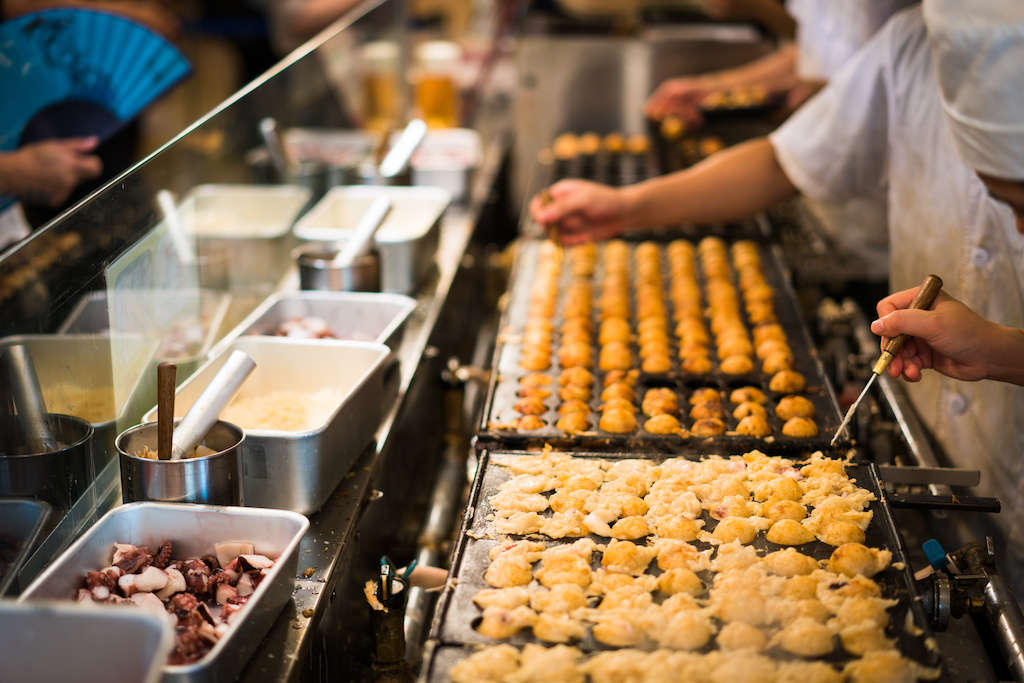
Master Osaka's iconic street foods in a hands-on class, then savor your creations with drinks.
3 hours
Free Cancellation
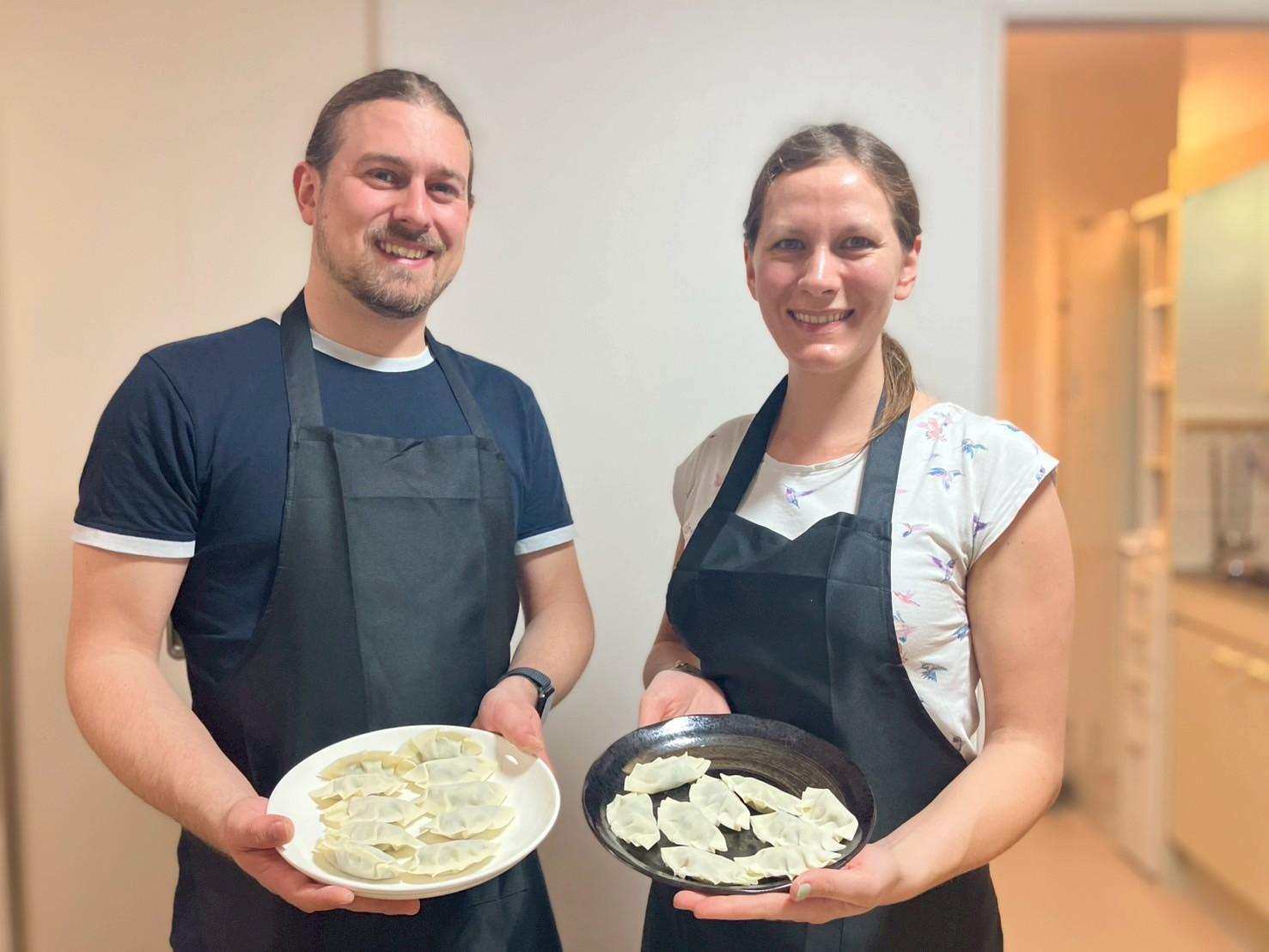
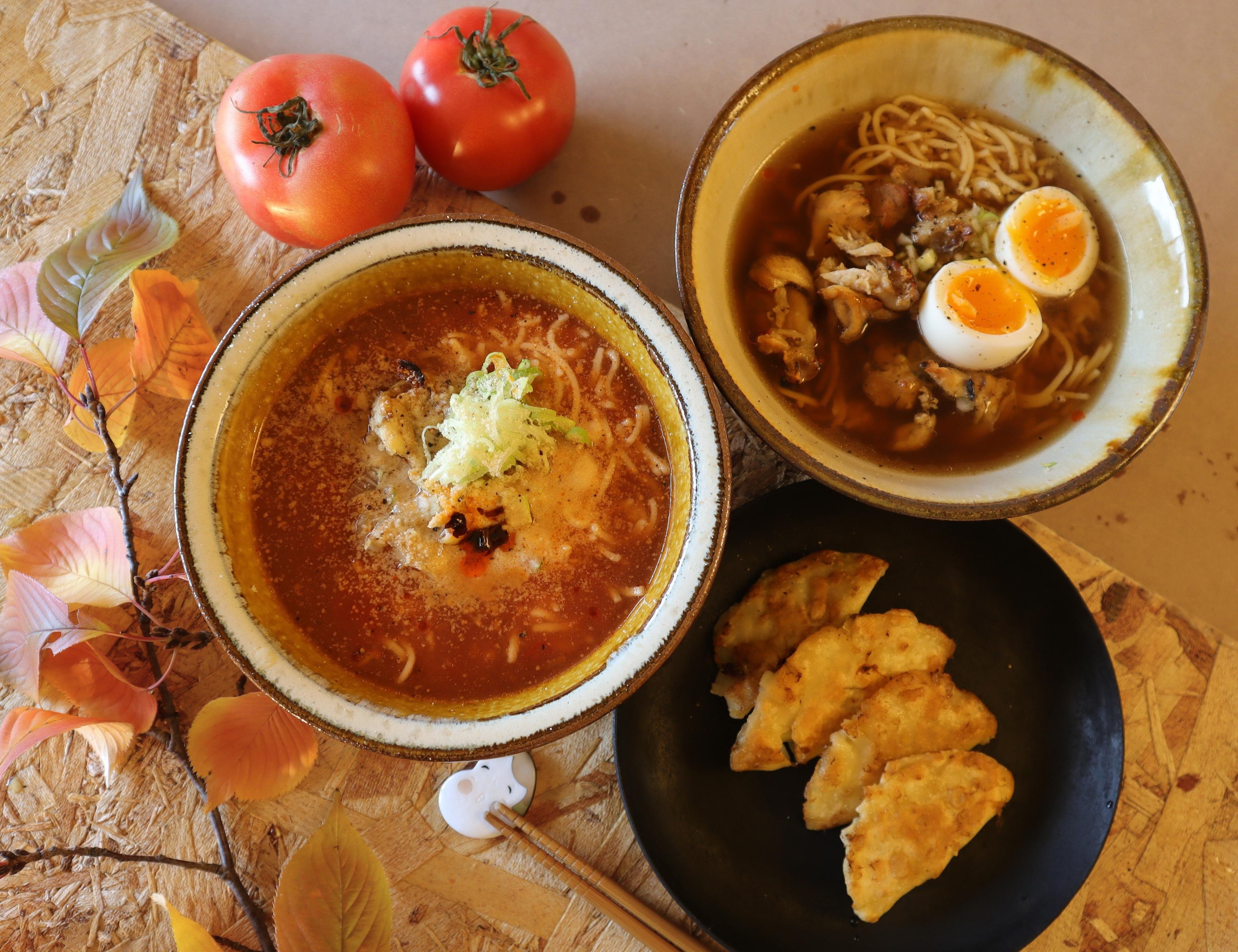
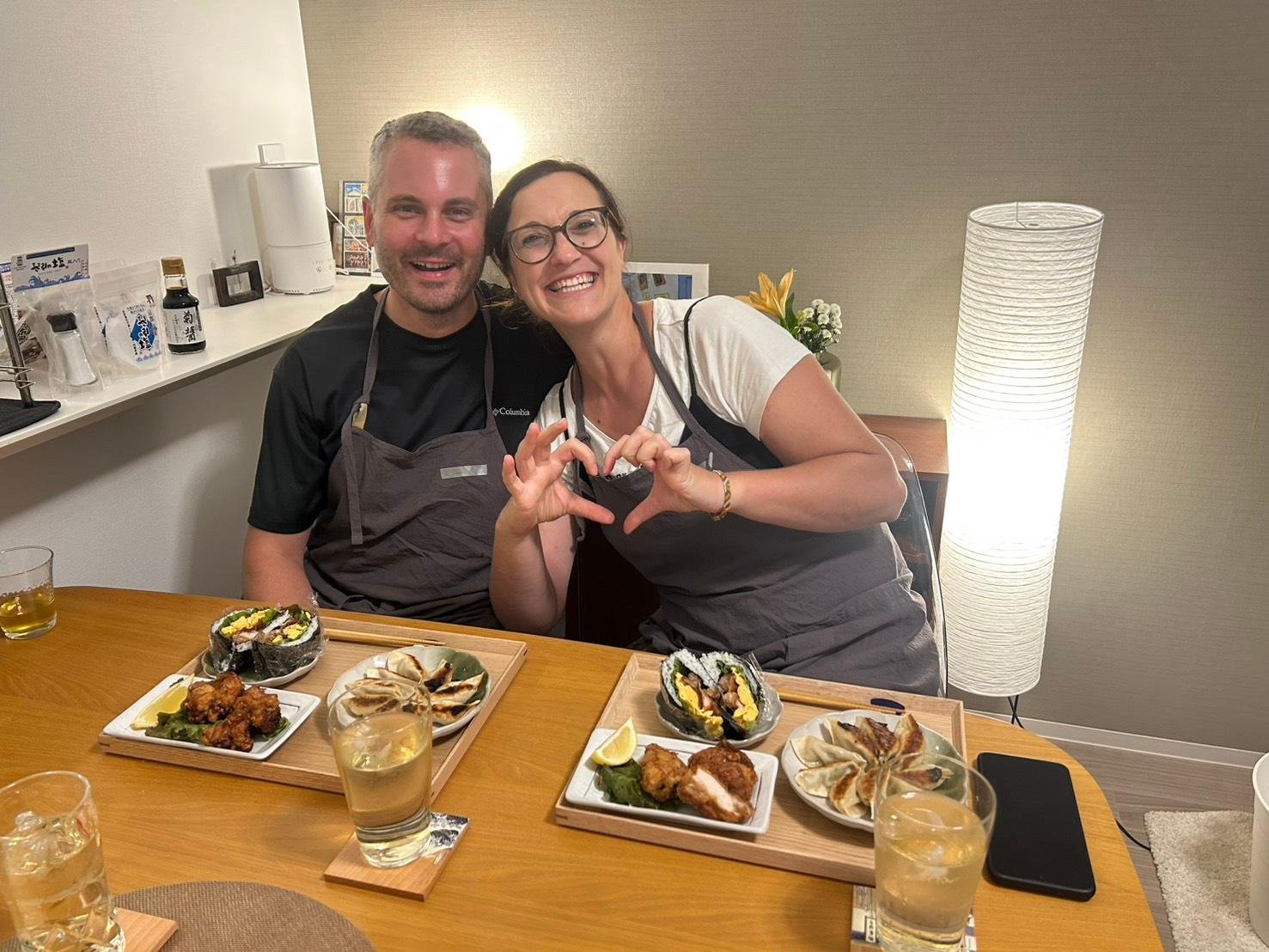
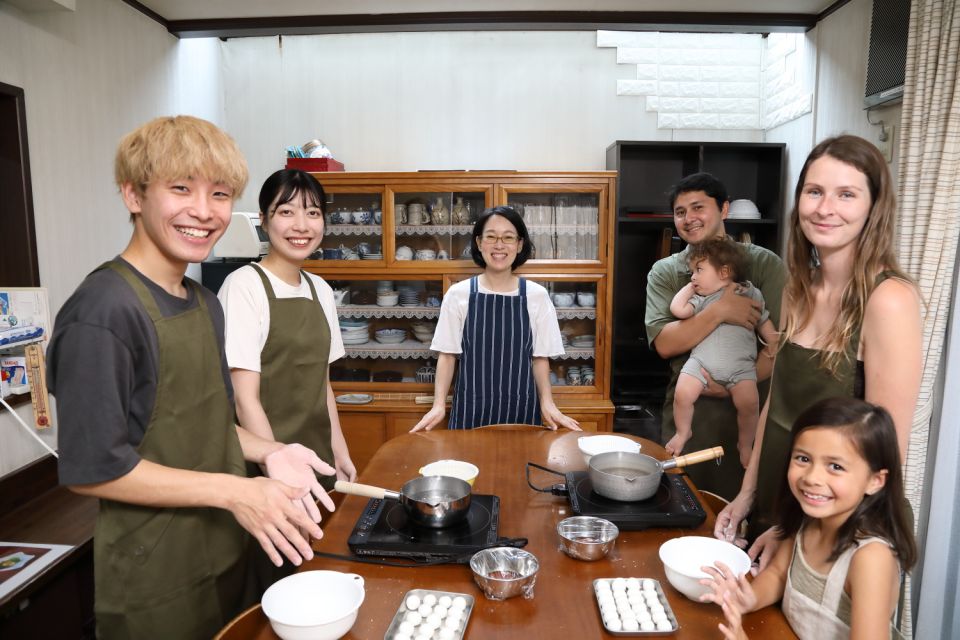
Master rice flour noodles and dumplings in a local chef's home, with optional sake tasting
1 hour
Free Cancellation
Hand-craft traditional wooden chopsticks in a guided session near Dotonbori with English instruction
2 hours 30 minutes
Free Cancellation
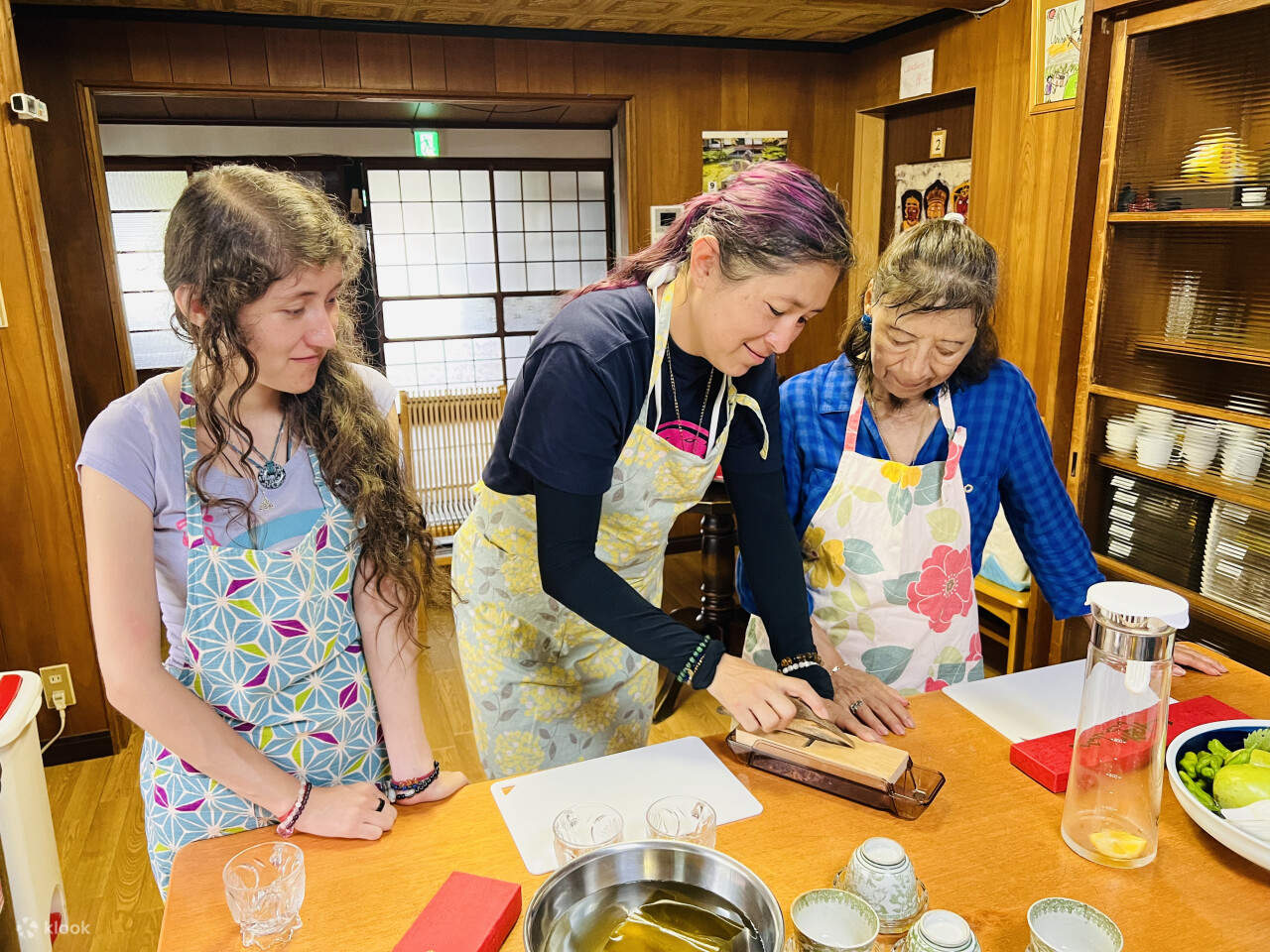
Master authentic Japanese recipes in a cozy local home with max 5 guests and a born-and-raised Osaka host
1.5 hours
Free Cancellation
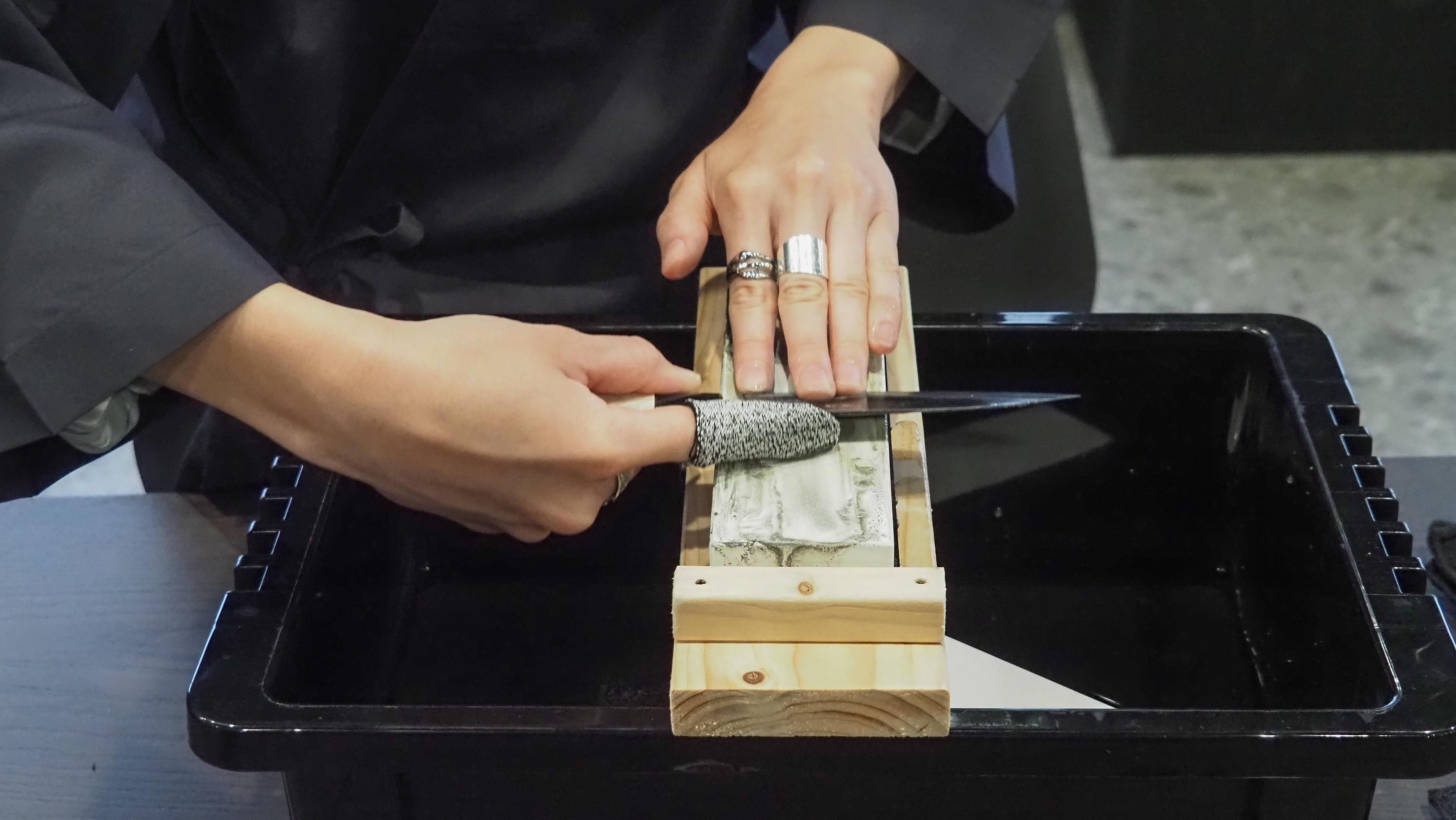
Forge your own custom kitchen blade under expert guidance, complete with personalized handle engraving
Learn the precise art of seasoning vinegared rice which is the foundation of every great sushi roll.
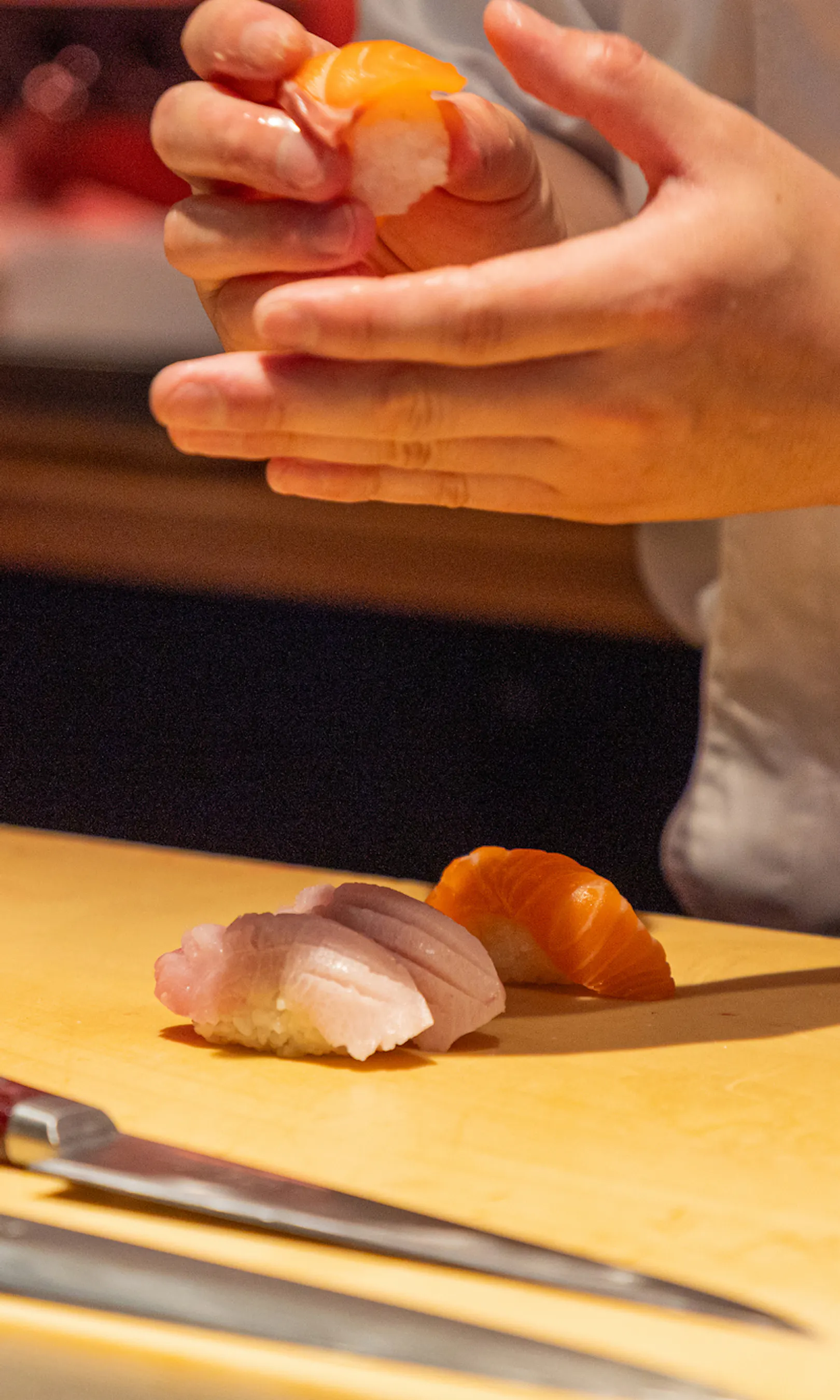
Master the delicate technique of hand-pressing sushi rice and fish to create a professional nigiri piece.
Discover how to build these battleship-style sushi pieces with seaweed and fresh seasonal toppings.
Gain context on the origins of Japanese cuisine before you begin your hands-on sushi making.
Receive an official document certifying your newfound skills as a sushi-making participant.
You enter a ground-floor studio two blocks south of Namba Station, walls tiled white to the ceiling, stainless counters arranged in a horseshoe facing a demonstration island. An instructor in a linen apron sets out bamboo mats, small bowls of rice vinegar, and a wooden tub of still-warm sushi rice.
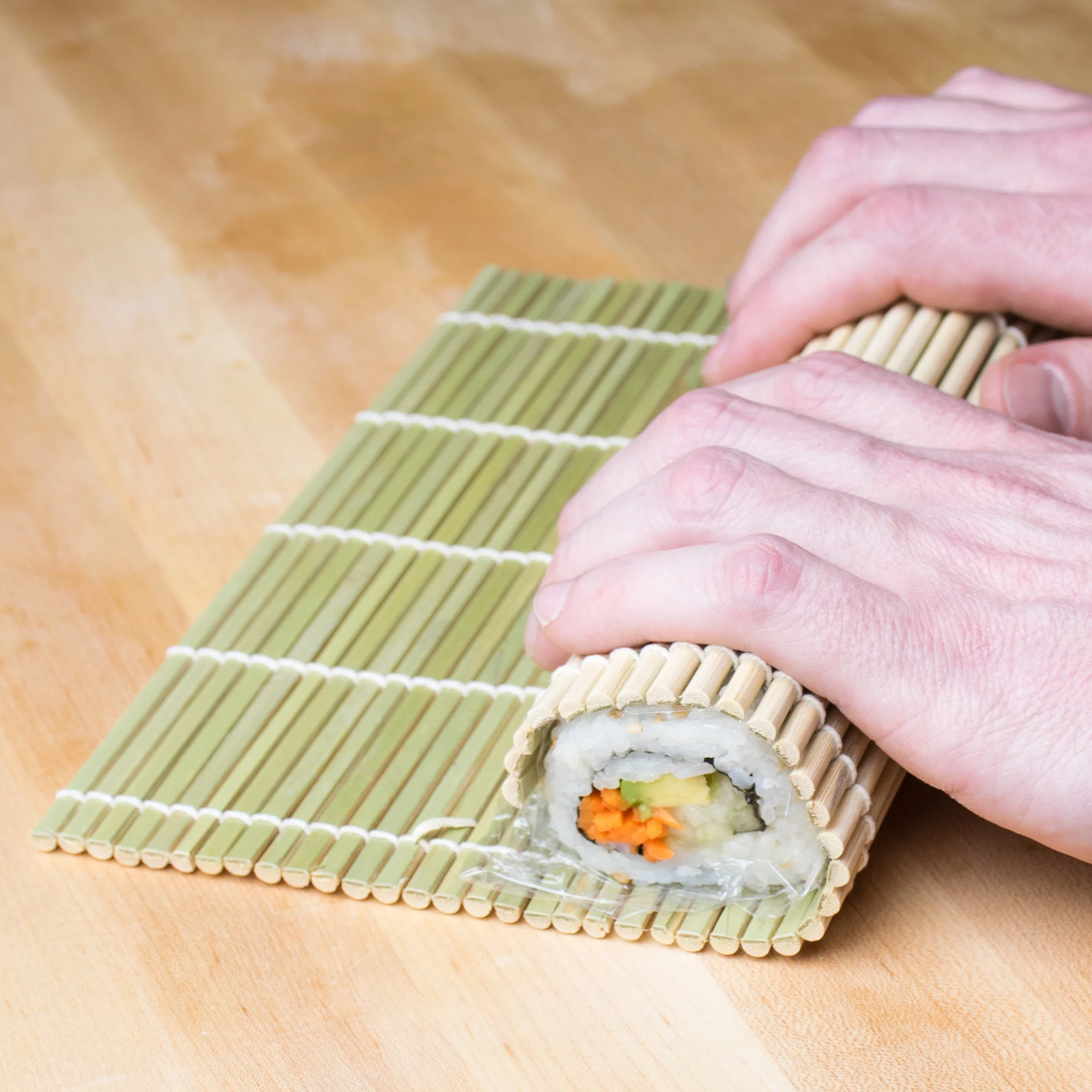
You watch her hands: left palm steadies the nori sheet, right fingers spread rice in quick lateral strokes, stopping one centimeter from the far edge. She flips the sheet so the rice faces down, lays thin-cut cucumber and imitation crab along the center line, then rolls from the near edge using the mat as a guide. The cylinder holds its shape without gaps.
You replicate the sequence at your station. The rice clumps at first — too much pressure — so you dip your fingers in vinegar-water and try again with lighter motions. By the third roll, the seam seals cleanly. The instructor checks each student's work, adjusting wrist angles and rice distribution without touching the food. You slice the roll into eight pieces using a dampened knife, each cut made in a single downward pull to prevent tearing.
The final fifteen minutes are plating and tasting. You arrange your sushi on a black rectangular dish with pickled ginger and a daub of wasabi, then photograph the setup under the studio's daylight LEDs. The rice is slightly sweet, the nori crisp at the edges where it stayed dry. You eat your work standing at the counter, comparing results with the student beside you.
All the details about your upcoming adventure in one place
Learn authentic Japanese culinary techniques in a hands-on osaka cooking class led by local chefs in Osaka's vibrant Dotonbori district. Prepare traditional dishes like okonomiyaki, takoyaki, and seasonal obanzai using fresh market ingredients, then enjoy your creations together. Osaka cooking class tours include recipe cards, aprons, and all cooking tools needed for your session.
Osaka earned its nickname *kuidaore* — eat until you drop — not through folklore but through centuries of merchant wealth channeled into street food innovation.
By the Edo period, the city's port funneled rice, kelp, and soy across western Japan, turning Dōtonbori's alleyways into laboratories for *dashi* refinement and batter science. The techniques taught in Namba studios today descend directly from that lineage: knife angles for *nigiri*, the wrist flick that aerates okonomiyaki batter, the twelve-hour kelp soak that builds umami without bitterness.
An Osaka cooking class in English typically runs ninety minutes and centers on one to three dishes — sushi hand-rolls, tonkotsu ramen from scratch, or savory pancake variants griddled to order. Instructors, many trained in Kitashinchi izakayas or Kuromon market stalls, demonstrate each step twice before students replicate it at individual workstations. The rhythm is methodical: score the nori, spread the rice to the edges, leave a thumb-width margin. Mistakes are diagnostic tools. A torn sheet of seaweed reveals too much pressure; cloudy broth signals boiled rather than simmered bones. Reddit threads and Tripadvisor cooking class Osaka discussions frequently highlight the vegetarian okonomiyaki and vegan ramen options now standard in most Namba venues, a shift driven by international demand since 2024.
The pedagogy reflects Osaka's commercial pragmatism. Unlike Kyoto's kaiseki academies, which guard seasonal menus and multi-year apprenticeships, Namba workshops prioritize replicable technique over regional mystique. Students leave with printed recipe cards calibrated for Western supermarkets: substitutes for Japanese mountain yam, gram weights for rice vinegar, Celsius temperatures for dashi reduction. The Osaka cooking class Reddit community shares these cards in scanned PDFs, annotated with substitutions tested in Brooklyn and Berlin kitchens. Instructors encourage photography and questions about ingredient sourcing, recognizing that most participants will cook these dishes once or twice abroad before the muscle memory fades.
Kids aged seven and older participate in dedicated Osaka cooking class sessions scheduled Saturday mornings, working with blunt training knives and pre-measured ingredients. The sushi rice is still warm when they press it into molds; the miso paste is sweet white Saikyo rather than the saltier red Sendai blend. These adaptations preserve the core techniques — seasoning balance, heat control, knife safety — while compressing the instruction into forty-five minutes. Parents observe from benches along the studio's north wall, a design borrowed from Osaka's century-old *ryōriya* where apprentices learned under the gaze of senior chefs.
The techniques taught in Namba studios today descend directly from that lineage: knife angles for nigiri, the wrist flick that aerates okonomiyaki batter, the twelve-hour kelp soak that builds umami without bitterness.
Casual attire is recommended for this osaka cooking class. Avoid clothing that might interfere with manual kitchen tasks.
Space is limited in the studio, so please avoid bringing large suitcases. Secure storage is not available for oversized items.
Photography is encouraged during the osaka cooking class experience. You will even receive a special photo gift as part of your package.
This Japanese Cooking Class is suitable for children accompanied by an adult. The environment is welcoming for family groups.
The studio is located near Namba Station, though guests should be aware it is located in an older building with stairs. Please inquire ahead if you have mobility concerns.
All ingredients for your sushi making are provided as part of the 7,000 JPY entrance fee. Outside food and beverages are not permitted.
Operating Hours
11:00–20:00
Address
Namba, Osaka, Japan
Accessibility
Public transit access
Arrival
11:00–18:30
Storage
No large luggage storage
Location
Central Namba district
Public transport · 5-10 min · Approx. 200–300 JPY
Use the Namba Station on the Midosuji Line. It is a short walk from the station to the studio.
Taxi · 15 min · Varies by traffic
Request to be dropped off at the Namba district near the central shopping area.
Full refunds are available for cancellations made at least 24 hours in advance. No refunds are provided for no-shows or cancellations within the 24-hour window regarding the 7,000 JPY fee.
Recommended time
90 minutes
Each session at this Japanese Cooking Class follows a structured 90-minute format designed for hands-on sushi preparation. To ensure a smooth experience, please use the best arrival window of 11:00–18:30 to check in before your scheduled slot starts. Visitors participating in these osaka cooking class tours often find that arriving early allows time to settle in before the instructor begins the rice seasoning and knife skills demonstration. Managing your osaka cooking class tickets in advance ensures you secure a spot during peak hours, while those seeking a quieter kitchen environment may prefer mid-afternoon sessions.
Crowd levels through the day
Weather · crowds · average price — dots go green to amber to red as each metric rises.
Mild temperatures and cherry blossoms make it an ideal time for your osaka cooking class adventure. Booking in advance is recommended during this peak period.
Expect humid weather, though the air-conditioned studio provides a comfortable refuge. This is a popular season for local festivals near the Namba area.
Cooler weather makes walking to the studio very pleasant. This is an excellent time to visit for a seasonal Japanese Cooking Class.
Cooler temperatures are perfect for warm indoor culinary activities. Many visitors choose this time for a relaxed osaka cooking class tour experience.
Popular osaka cooking class slots often fill up weeks in advance. Check the official site to secure your spot.
Inform the team in advance if you require vegetarian or halal sushi making options.
Aim to arrive 10 minutes before your scheduled osaka cooking class tour begins to get settled.
Prepare by learning the difference between nigiri and maki before your osaka cooking class tickets are used.
The kitchen can get warm during the busy season, so wear breathable clothing.
Participating in an osaka cooking class provides a hands-on way for children to engage with Japanese culture. This Japanese culinary workshop offers a welcoming environment where families can learn traditional techniques together.
This experience is best suited for children aged six and older who can safely handle kitchen utensils. Younger children may require full parental supervision throughout the osaka cooking class tour.
Individual workstations are designed for adults, so young participants should stand on a stable stool to reach the prep surface comfortably. Ensure your child remains focused during the blade-work portion of the osaka cooking class tours.
The 90-minute format is structured for steady progress, though kids often need a brief break halfway through. Consider purchasing your osaka cooking class tickets in advance to ensure the entire group stays together during the session.
The Namba location does not have dedicated storage for strollers, so please fold them compactly before entry. There are no specialized baby-changing stations on-site, making this activity better suited for school-aged children.
Namba is a culinary hub, making it easy to find a post-lesson meal near your osaka cooking class. The surrounding streets are packed with traditional izakaya and modern eateries perfect for sampling local Japanese cuisine.
Famous for crab dishes, this spot is ideal for those wanting a quintessential Osaka dining experience after using their osaka cooking class tickets. It offers a refined atmosphere perfect for relaxing.;Mizuno
Real experiences from real travelers
Our instructor walked us through each step of making ramen from scratch, including the broth that simmered while we prepared noodles. The osaka cooking class took place in a cozy kitchen near Namba station. We ate everything we made and left with printed recipes. The small group size meant plenty of individual attention.
Joined a morning session focused on sushi and learned proper rice seasoning and knife skills. The chef explained the cultural significance of each dish while we worked. Market tour beforehand showed us where locals shop for ingredients. Worth every minute.
Three hours flew by as we prepared five different dishes including tempura and okonomiyaki. The hands-on culinary workshop in Osaka gave us confidence to recreate these at home. Instructor was patient with questions and offered vegetarian substitutions. Kitchen was spotless and well-equipped.
Prepared miso soup, gyoza, and tamagoyaki in a small class of six people. Chef demonstrated each technique before we tried it ourselves. The osaka cooking class tickets included an apron and recipe booklet to take home. Only downside was the pace felt slightly rushed toward the end.
Booked the evening osaka cooking class and made a full kaiseki-style meal with seasonal ingredients. Our guide shared stories about Osaka's food culture between courses. The intimate setting in a residential neighborhood felt authentic. We still use the knife techniques we learned.
Though I'm from Tokyo, I learned regional Kansai preparations I'd never tried. The osaka cooking class tours often include market visits, but ours focused entirely on technique. Instructor tailored the difficulty to our skill levels. Other participants were from France, UK, and Thailand.
Started with dashi broth fundamentals, then built dishes using that base. The cooking workshop felt like learning from a friend rather than a formal class. We made okonomiyaki on individual griddles and decorated them with bonito flakes. Left feeling capable of recreating these dishes.
Small group of four meant we each had our own workspace and ingredients. Chef explained the philosophy behind washoku while we prepared seasonal vegetables and grilled fish. The osaka cooking class location was a traditional machiya house with tatami rooms. We ate our creations together at a low table.
Beyond just cooking, we learned about umami, knife care, and proper seasoning balance. Made ramen, gyoza, and matcha dessert in one session. Instructor adjusted spice levels for our preferences. The hands-on osaka cooking class gave us skills we'll use for years.
Prepared a complete bento box with multiple components including tamagoyaki, rice shaping, and pickle making. Chef's explanations were clear and demonstrations easy to follow. Kitchen smelled incredible throughout. Other travelers in our group became friends over our shared meal at the end.
Everything you need to know for your journey
The studio is open daily from 11:00–20:00.
The base price for a standard sushi making class is 7,000 JPY per person.
The studio is in an older building with limited accessibility, so please contact them ahead of time.
Cancellations made 24 hours in advance receive a full refund of the 7,000 JPY fee.
Outside food and beverages are not permitted as all ingredients are provided.
Yes, children are welcome if accompanied by an adult for the osaka cooking class.
Autumn and spring are popular times to visit this Namba-based experience.
The class is located in Namba, Osaka, Japan.
Please aim to arrive before your scheduled 90-minute slot starting from 11:00.
You can book your osaka cooking class tickets directly on their official website.
A vibrant district famous for its neon lights and canalside food culture.
A peaceful, stone-paved alleyway offering a glimpse into old Osaka.
A unique shrine known for its massive lion head stage.
A historic shopping arcade stretching through the heart of the city.
Conveniently located near the station for easy access to your osaka cooking class tickets.
Stylish modern hotel in the heart of the Dotonbori district.
Upscale accommodation situated near the Shinsaibashi shopping area.
Simple, efficient lodging suitable for short-term stays.
Join thousands of happy travelers who have discovered this incredible experience
Book Your Experience Now