

Quick answer
Osaka cooking class vegetarian sessions operate daily from 10:00 to 20:00, with most workshops starting between 10:00 and 17:00 to allow time for market visits and multi-course preparation. Base group sessions start at 3,000 JPY per person, though prices vary by class format, menu complexity, and whether the workshop includes ingredient sourcing at local markets. Vegetarian menus focus on dashi alternatives, seasonal vegetables, tofu techniques, and rice or noodle dishes.
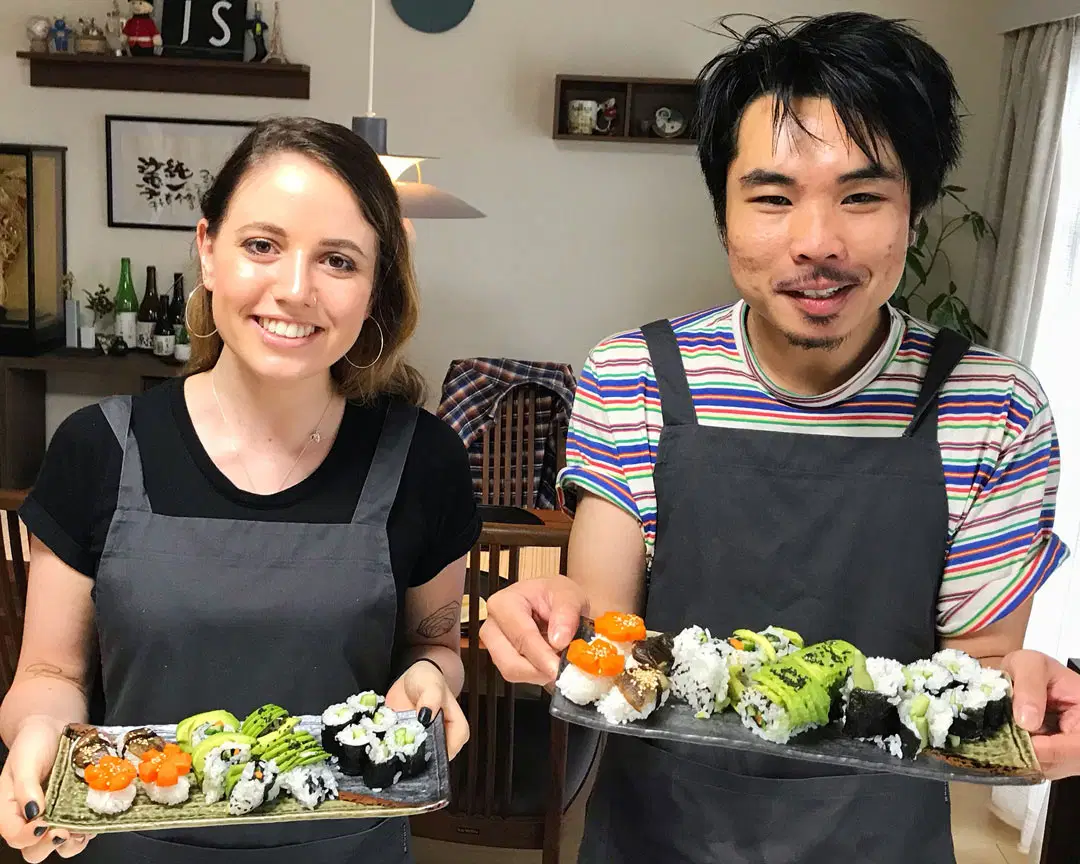
Osaka's vegetarian cooking workshops draw heavily from shojin ryori, the plant-based culinary tradition developed in Buddhist temples over centuries. Participants learn to build umami without bonito or seafood through kombu and shiitake dashi, fermented pastes, and layered seasoning techniques that define Japanese vegetarian cooking. The city's proximity to regional farms and its density of specialty ingredient suppliers make it a practical base for plant-based culinary education. Most osaka cooking class vegetarian formats begin with a guided walk through neighborhood markets or dedicated vegetable vendors, where instructors explain seasonal produce selection and the role of specific ingredients in balanced Japanese meals. You'll handle daikon, lotus root, Japanese eggplant, and leafy greens that rotate with the harvest calendar. The instruction then moves to a teaching kitchen where small groups prepare three to five dishes under direct supervision: miso soup with house-made dashi, rice cooked in a donabe clay pot, pickled vegetables, a tofu or yuba centerpiece, and a seasonal side that reflects the day's market finds. Workshops are structured around participation rather than demonstration. Each student preps their own ingredients, manages their own burner or steamer, and plates individually, though the meal itself is shared. Instructors teach knife skills for julienning burdock root, forming onigiri without molds, and achieving the texture contrasts central to Japanese vegetable cookery. Sessions run two and a half to four hours depending on menu length and whether the market component is included. English instruction is standard in classes oriented toward international visitors, and recipe cards are provided for reference at home. Vegetarian Japanese cooking classes in Osaka operate year-round, and the dishes taught shift with what's in season. Autumn workshops emphasize mushrooms, sweet potato, and chestnuts; spring sessions feature bamboo shoots, fava beans, and mountain vegetables. Because many instructors work from residential kitchens or small culinary studios rather than commercial schools, class sizes stay between four and eight participants. This scale allows for individual feedback and adjustment based on skill level, but it also means advance booking is necessary, especially during weekends and the spring and autumn travel peaks. The plant-based cooking traditions you'll encounter in these workshops extend beyond dietary preference. They reflect a culinary philosophy where restraint, seasonality, and respect for ingredient integrity guide every decision, and where a bowl of properly seasoned vegetable rice can carry as much care and complexity as any multi-course meal.
“Shojin ryori teaches that umami depth comes not from animal products but from patient layering of kombu, shiitake, and fermented seasoning.”
Weekly Operating Hours for Osaka Cooking Class Vegetarian Sessions
The Osaka cooking class for vegetarian cuisine is open daily to accommodate your travel schedule. Sessions are available throughout the week from morning until evening.
| Monday | 10:00–20:00 | |
|---|---|---|
| Tuesday | 10:00–20:00 | |
| Wednesday | 10:00–20:00 | |
| Thursday | 10:00–20:00 | |
| Friday | 10:00–20:00 | |
| Saturday | 10:00–20:00 | |
| Sunday | 10:00–20:00 |
How to Reach Your Osaka Cooking Class Vegetarian Experience
The cooking class is located in central Osaka, easily accessible via the city's extensive public transportation network. Most participants find that utilizing the local subway or train lines offers the most direct route to the facility.
JR Osaka Loop Line to Osaka Station
Midosuji Line to Namba Station
From the nearest station exit
Essential Pre-Visit Checklist for Osaka Cooking Class Vegetarian Workshops
Prepare for your vegetarian cooking workshop by confirming dietary requirements and securing your booking in advance.
-
Book your class online — Vegetarian sessions fill quickly, especially during peak travel months.
-
Confirm ingredient preferences — Notify the instructor of any additional allergies or restrictions beyond vegetarian.
-
Verify meeting point details — Some classes begin at local markets; check your confirmation email for the exact location.
-
Arrive 10 minutes early — Instructors provide orientation and ingredient overviews before cooking starts.
-
Bring an apron if preferred — Most venues supply aprons, but personal ones are welcome.
-
Wear comfortable closed-toe shoes — Classes involve standing and occasional market walks on uneven surfaces.
Check availability
Frequently asked questions about osaka cooking class vegetarian
Everything you need to know about osaka cooking class vegetarian