2 hr
Okonomiyaki & Takoyaki Cooking Class in Namba
- Entry ticket
- Mobile voucher
- Valid same day
- Free cancellation
Osaka Takoyaki Cooking Class — Master Octopus Balls in Local Kitchens
Flip batter spheres beside Namba chefs, taste the char of iron
Compare fares, pick the fit — all bookings are mobile-voucher and eligible for free cancellation where shown.
2 hr
2 hr
1 hr 40 min
Selecting the right osaka takoyaki cooking class allows you to immerse yourself in local food culture while learning to prepare this iconic street food. These experiences provide different levels of exclusivity to help you master the craft of flipping octopus balls.
| Small Group Session Shared Class |
Top pick Private Studio Class Personalized Instruction |
|
|---|---|---|
| Cooking Environment | Local home studio | Private facility kitchen |
| Maximum Guests | 4 guests | Private group only |
| Drink Inclusions | Beer, highballs, or tea | Included with meal |
| Dietary Options | Gluten-free available | Customizable upon request |
| Best for | First-timers seeking social atmosphere | Private groups or tailored pacing |
| See tickets & prices |
Verdict: Choose the private option if you prefer focused attention, or book the small group osaka takoyaki cooking class tour for a social experience with fellow travelers.
Worth it for food enthusiasts and cultural learners
An osaka takoyaki cooking class offers something a restaurant visit cannot: mastery of technique under the guidance of a local instructor. Classes typically run 90 minutes to two hours and include ingredients, equipment, and hands-on instruction in batter preparation, filling selection, and the signature flipping method that creates the crispy exterior. You leave with both a meal you prepared yourself and the skill to recreate takoyaki at home. The value proposition shifts depending on your goal—if you simply want to taste Osaka's most famous street food, a vendor stall delivers the same flavour for a fraction of the cost. But if you're seeking cultural immersion, practical cooking skills, or a memorable group activity, osaka takoyaki cooking class tours provide depth that passive tourism cannot match. The best classes pair takoyaki with okonomiyaki or onigiri, broadening your repertoire and justifying the time investment. For travelers prioritizing authentic interaction over efficiency, the cost pays off in stories and capability long after the trip ends.
Bottom line: If you value skill acquisition and cultural context over convenience, osaka takoyaki cooking class tickets deliver lasting value beyond the meal itself.
Choosing between these experiences depends on whether you seek mastery of a specific street food or a broader introduction to traditional home cooking; most visitors who do both find the focused osaka takoyaki cooking class more approachable for beginners.
|
Top pick Takoyaki Class |
Multi-Dish Class | |
|---|---|---|
| Skill focus | Specialized batter flipping | Full meal preparation |
| Variety of dishes | Single focus | Three to five dishes |
| Time commitment | 1.5–2 hours | 3–4 hours |
| Authenticity level | High regional focus | Standard home culinary skills |
| Equipment usage | Specialized takoyaki pan | Standard kitchen tools |
| Difficulty level | Beginner friendly | Intermediate to advanced |
| See tickets & prices |
Verdict: Select the osaka takoyaki cooking class tours if you want a fun, social atmosphere, or opt for multi-dish workshops if you prefer acquiring a diverse set of kitchen techniques.
Hand-picked experiences loved by thousands of travelers
2 hours
Free Cancellation
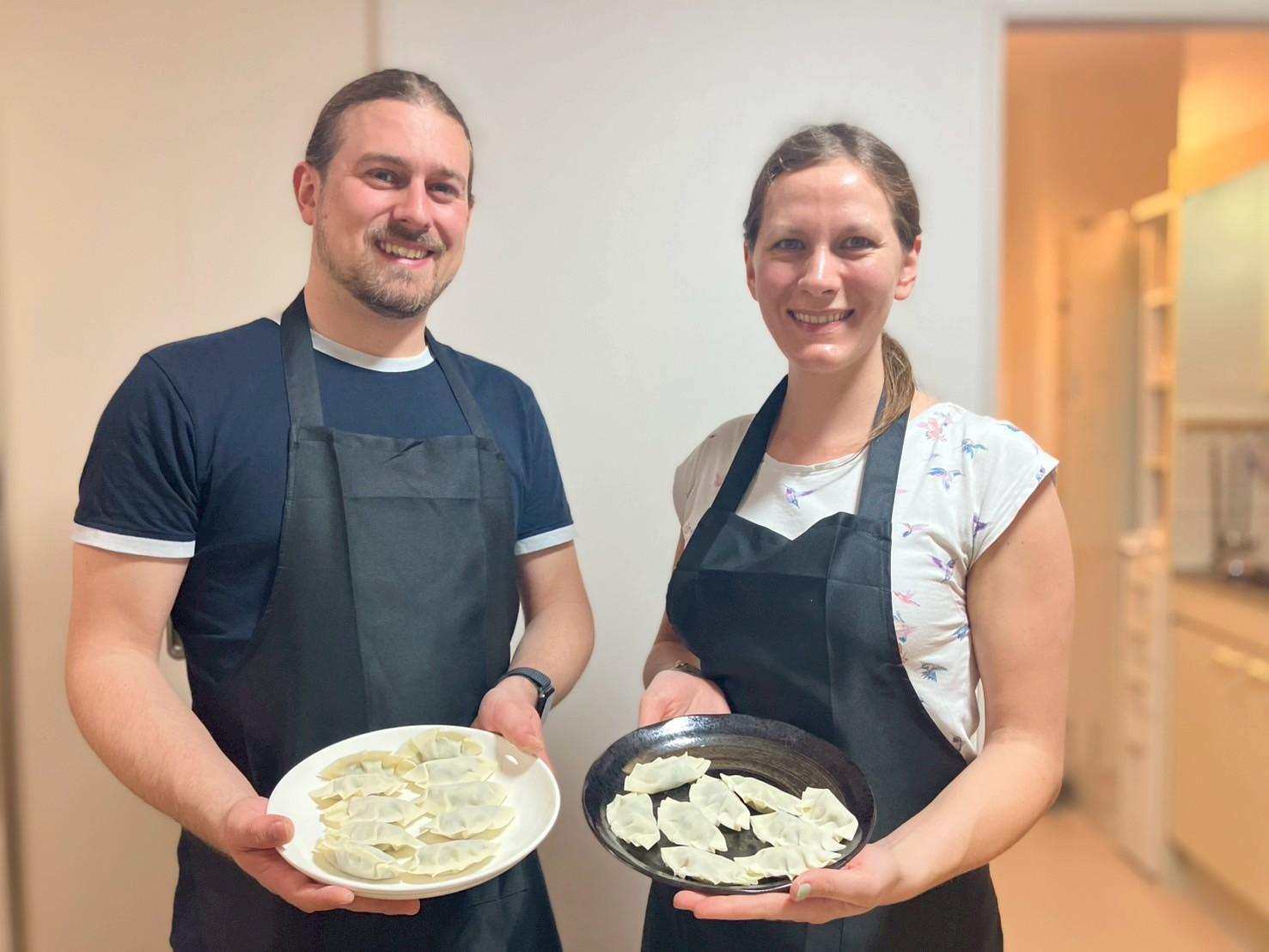
Roll up your sleeves and craft authentic Japanese ramen and gyoza from scratch in central Osaka
2 hours
Free Cancellation
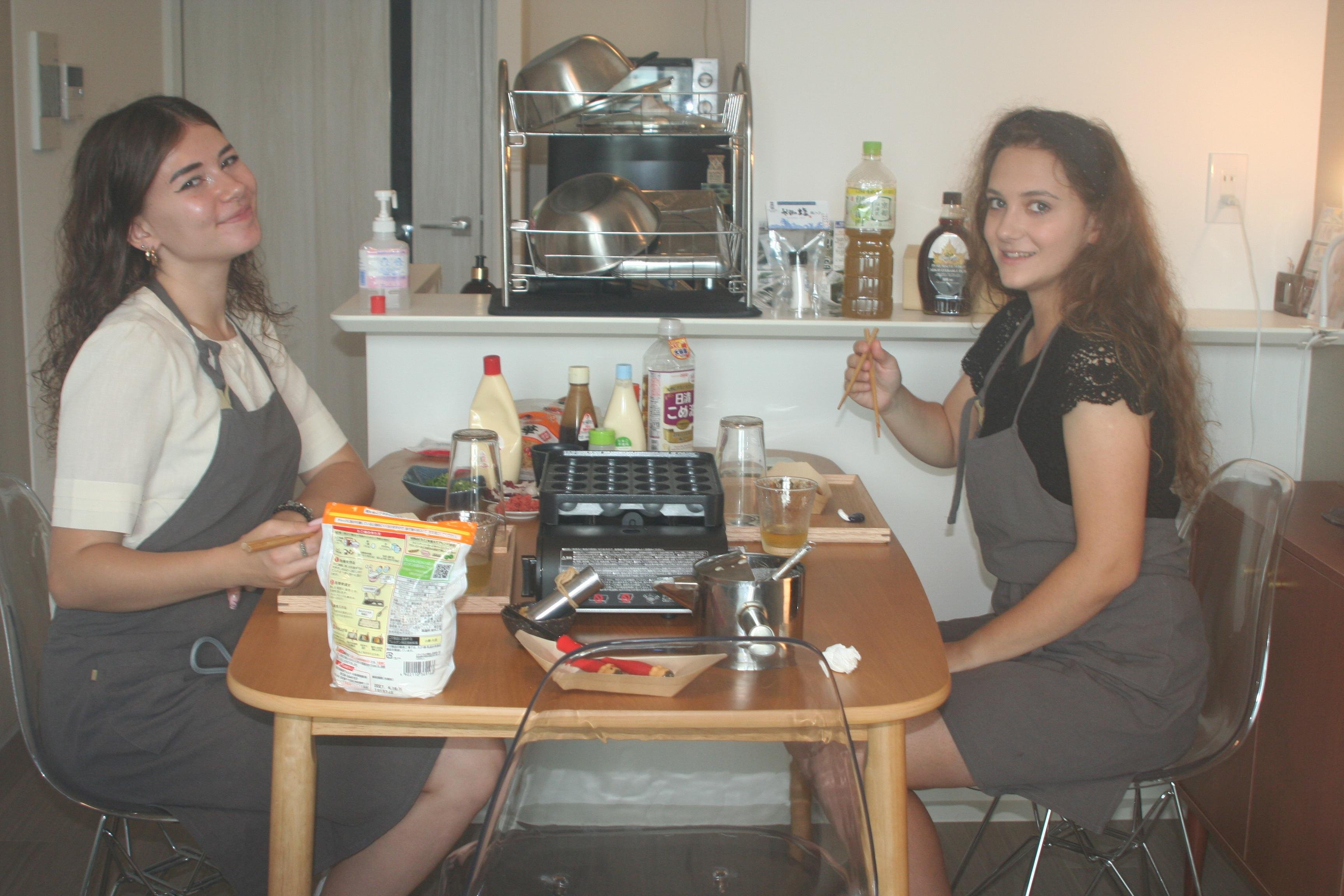
Master the art of making Osaka's beloved street snack in an intimate home kitchen setting
1 hour
Free Cancellation
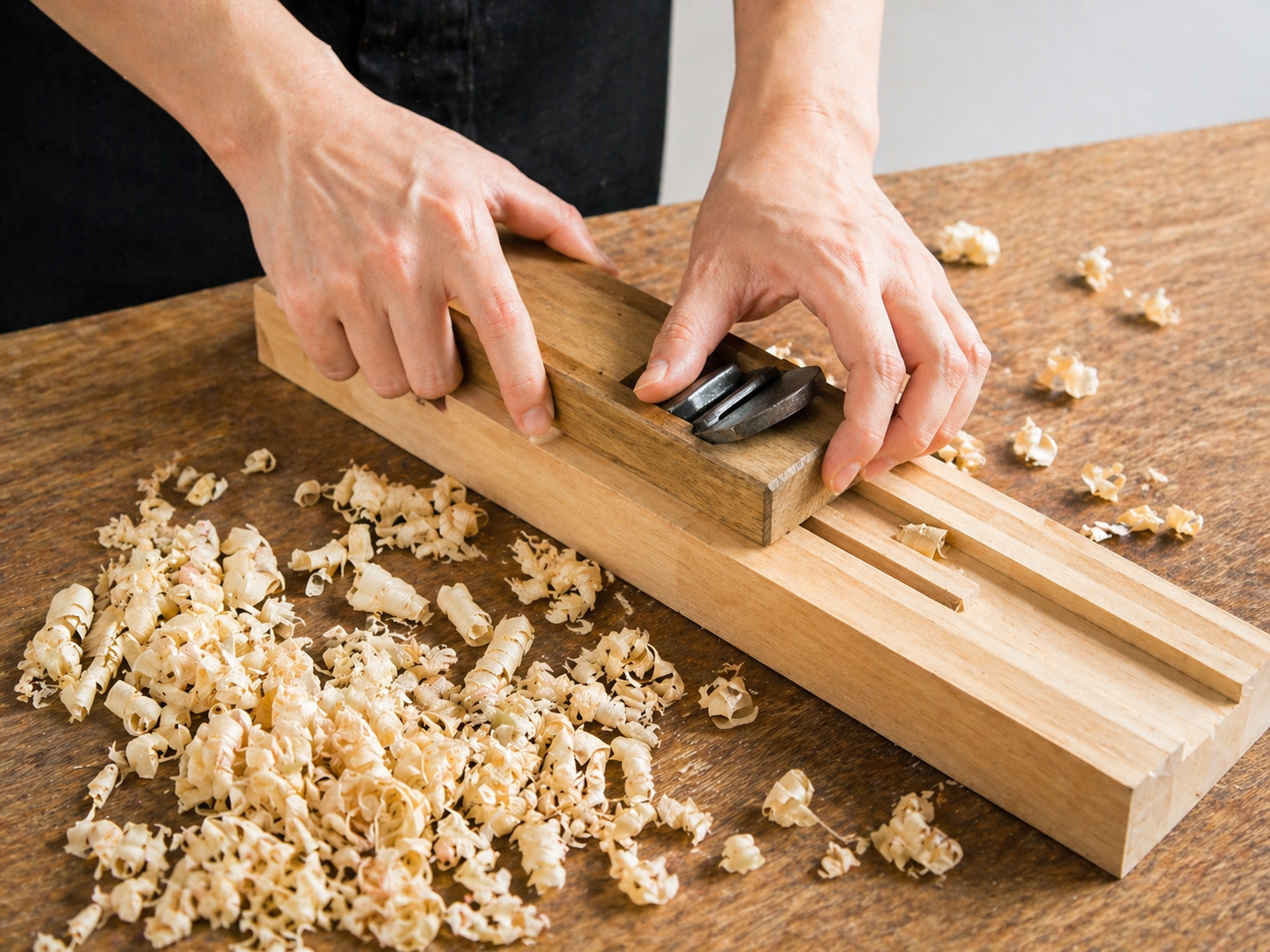
Shape your own wooden chopsticks using authentic Japanese woodworking tools and take home a fragrant keepsake.
3 hours
Free Cancellation
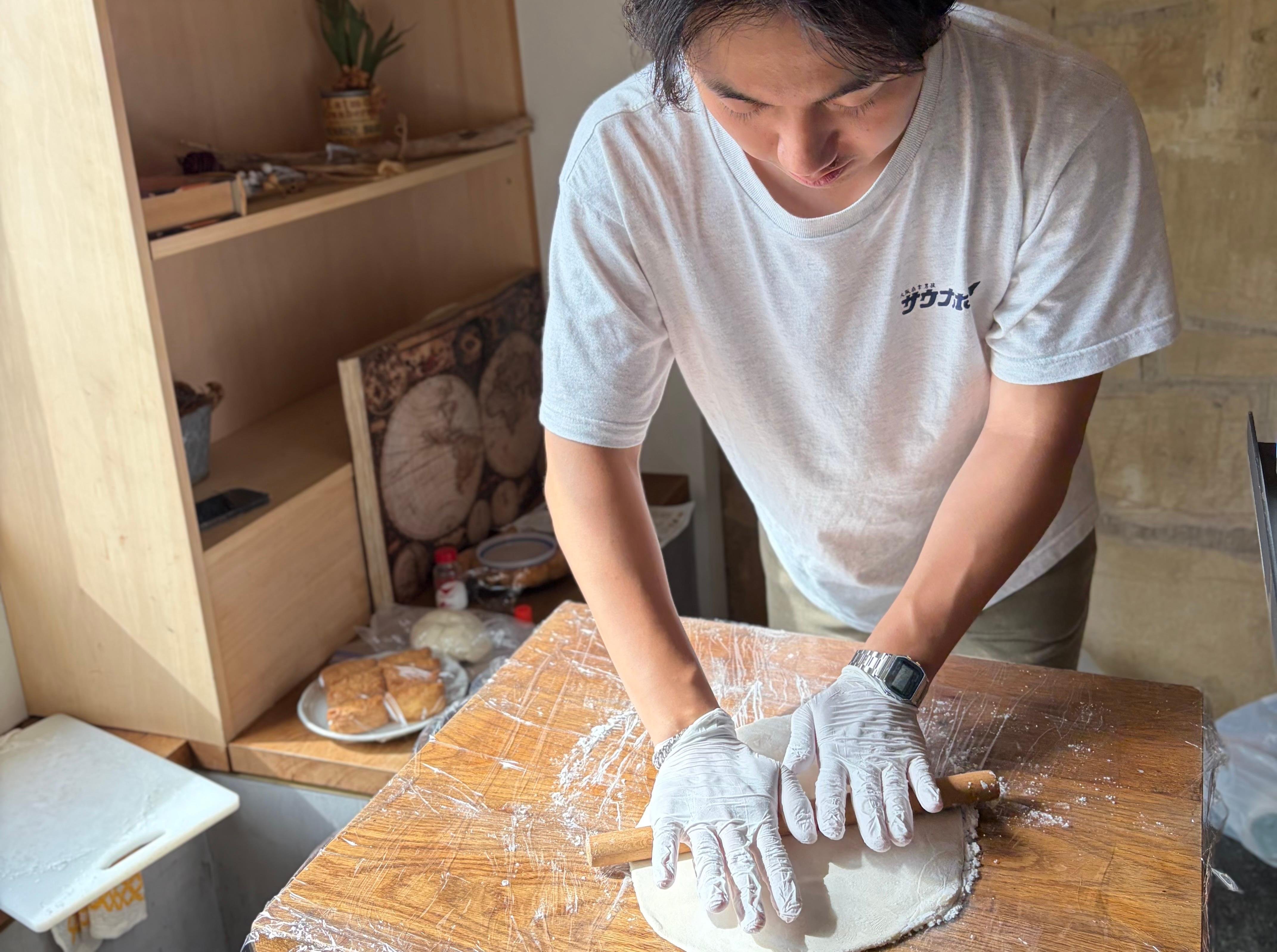
Master homemade udon noodles, crispy tempura, and inari sushi, then play classic Japanese games in central Osaka.
2 hours 30 minutes
Free Cancellation
Cook authentic Japanese dishes in a local's kitchen with up to 5 guests in an intimate setting.
3 hours
Free Cancellation
Cook izakaya dishes, taste three sakes, and explore local ingredients in an intimate home-style setting
2 hours 30 minutes
Free Cancellation
Explore a local shopping district, then cook your choice of Japanese dish in a modern studio kitchen.
1 hour 30 minutes
Free Cancellation
Craft your own traditional Japanese knife under expert guidance, from blade sharpening to personalized engraving
Overview of takoyaki ingredients and history.
Chopping octopus and preparing batter components.
Using the takoyaki pan to form spheres.
Enjoying the finished dish with sauces.
Learn the precise ratio of dashi, flour, and eggs to create the perfect texture for takoyaki. The secret is in the viscosity of the batter
Participants learn how to clean and cut fresh octopus, which is a staple ingredient in an authentic osaka takoyaki cooking class
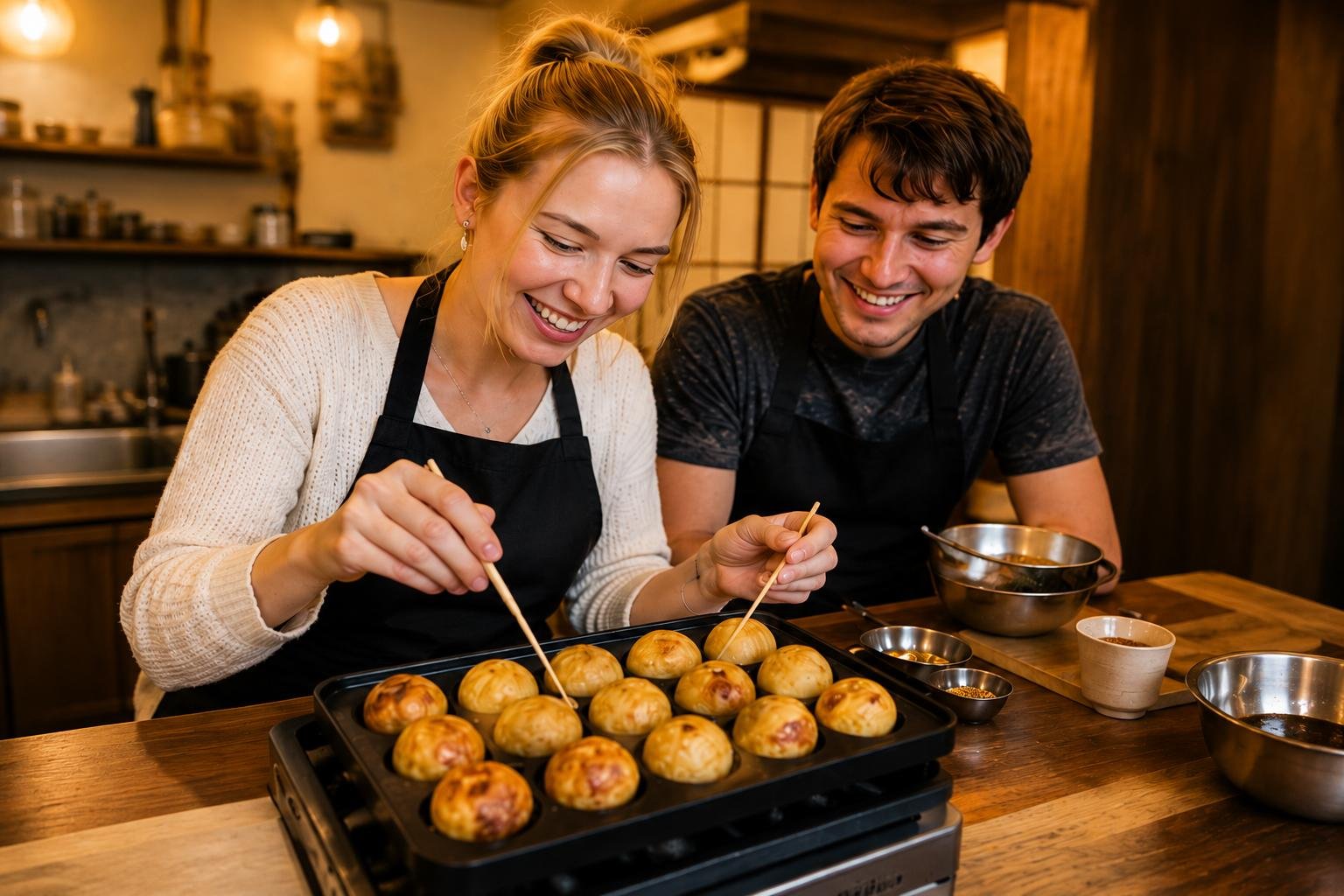
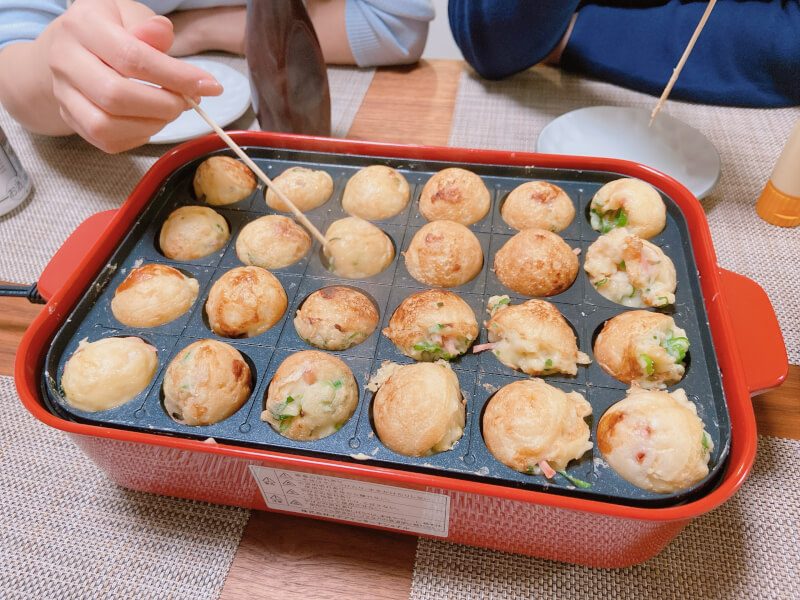
Master the technique of flipping the batter using metal picks to form perfect spheres. This requires a rhythmic wrist motion developed over time
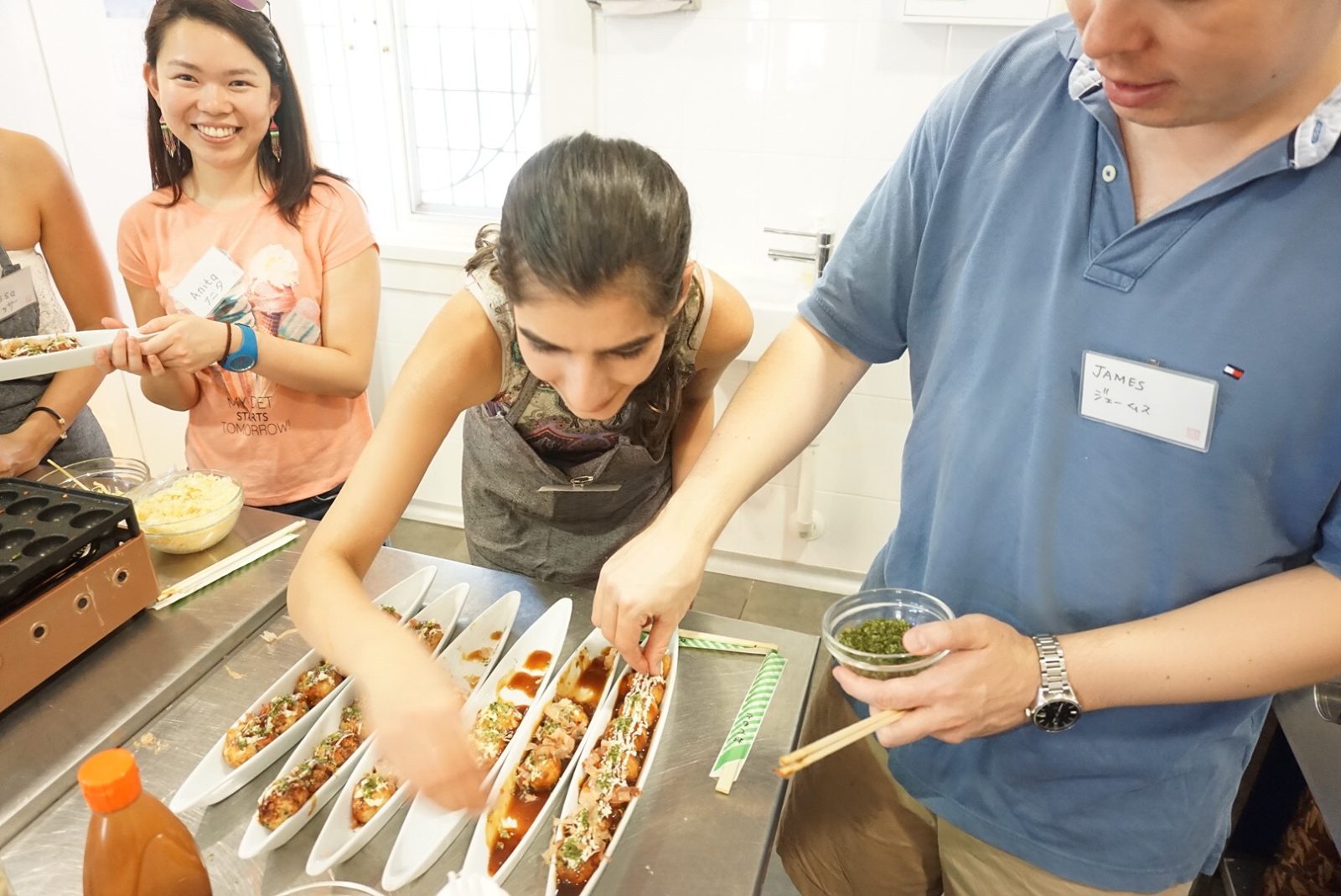
Experiment with various toppings like aonori, katsuobushi, and specialized takoyaki sauce. Guests can adjust sweetness and spice levels to their preference
Enjoy the final product while learning about the history of street food culture. This serves as the social conclusion to your osaka takoyaki cooking class.
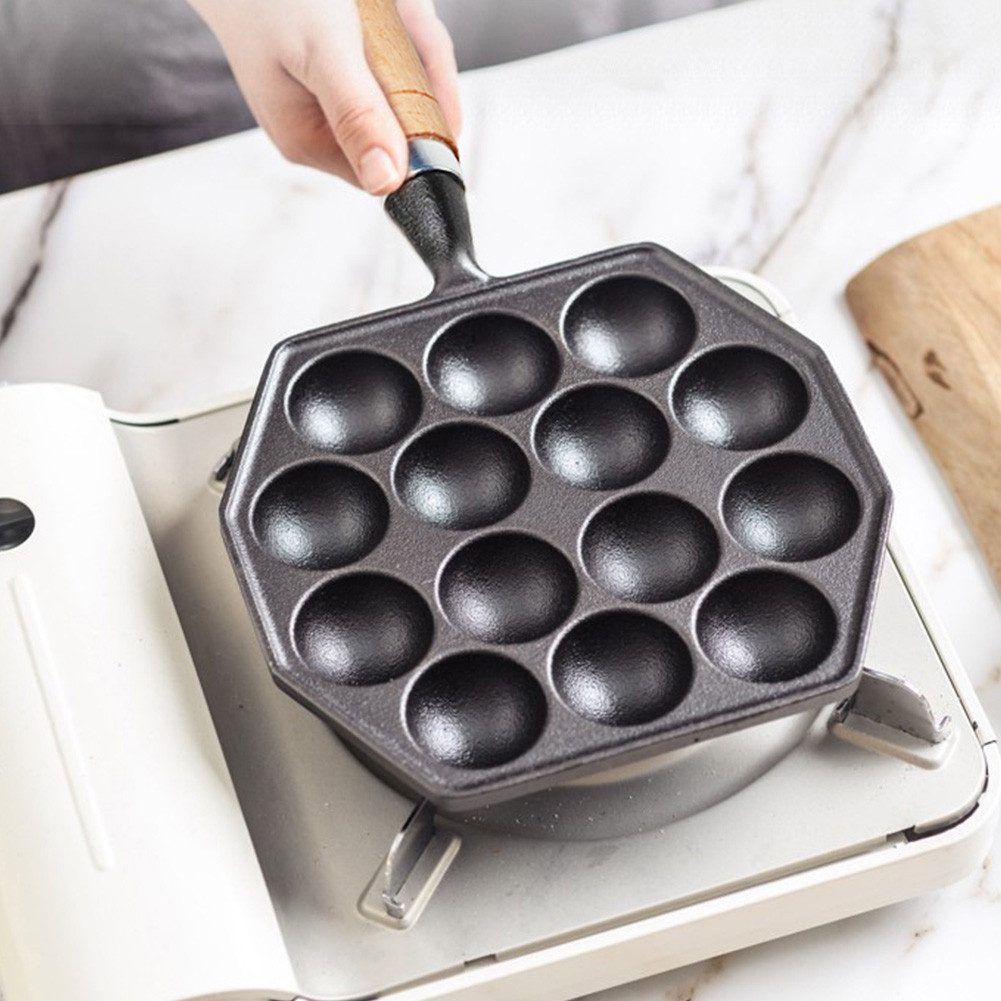
You arrive at a residential studio in Namba ten minutes before the session begins, removing your shoes at the threshold and joining three other students around a low counter fitted with portable gas burners. The instructor places a cast-iron takoyaki pan over the flame and waits for the wells to shimmer with oil.
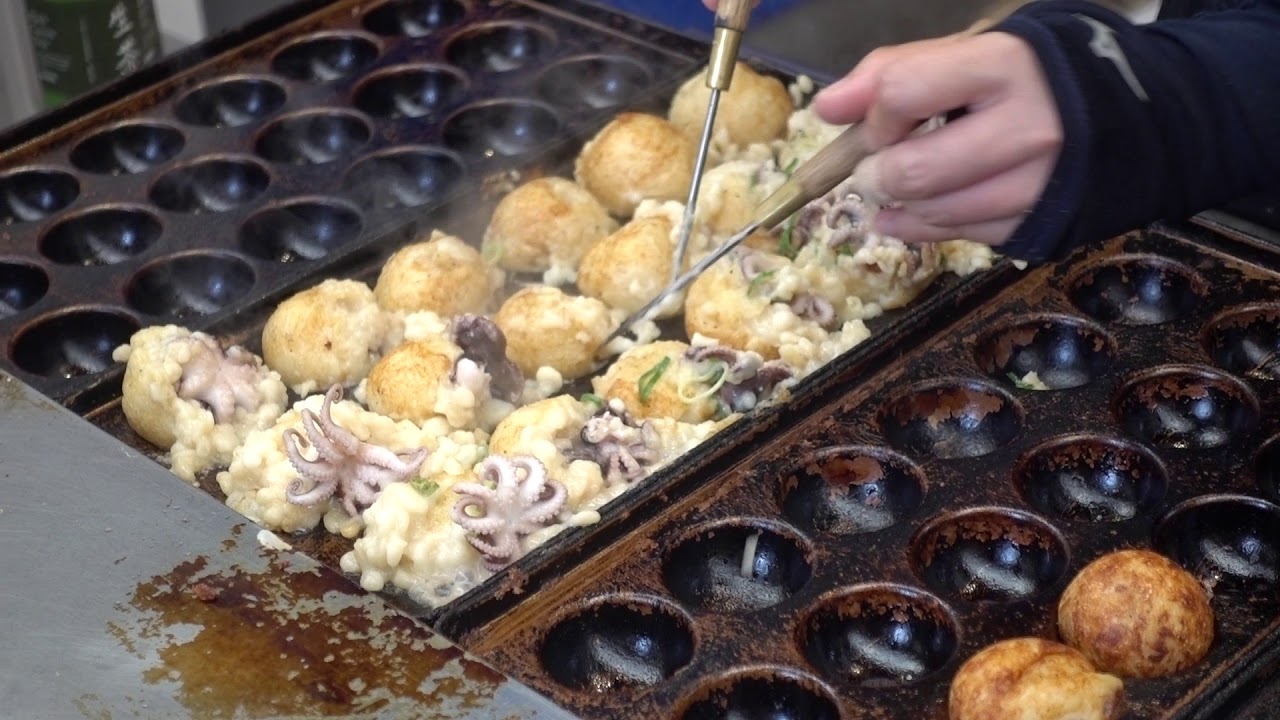
You watch as she pours batter into the first well, drops in a cube of octopus, adds a pinch of pickled ginger, then pours again until the batter spills over the edges. She hands you a steel pick and gestures for you to attempt the flip.
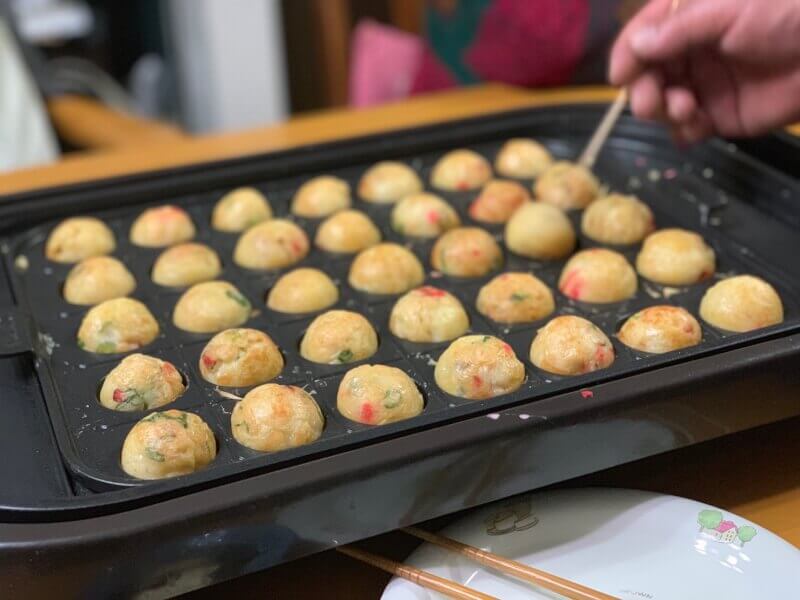
You slide the pick under the half-set sphere and rotate it a quarter-turn. The wet batter flows into the gap, forming a new surface. You repeat the motion three more times, each flip tightening the geometry, until the ball spins freely in the well. The instructor nods and moves to the next student. You fill your own pan, eighteen wells in quick succession, and begin the rotation sequence. By the second batch, your wrist has learned the angle, and the spheres emerge round and bronze.
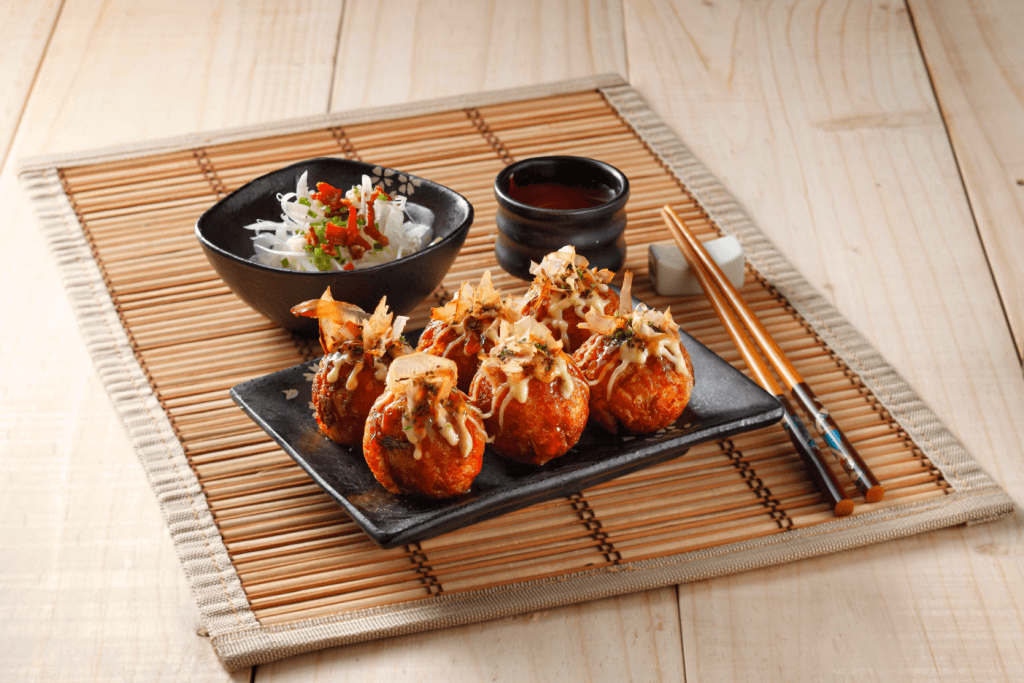
The instructor plates your third batch, drizzles it with Bulldog sauce and Kewpie mayonnaise, then scatters aonori and bonito flakes across the top. You pierce one with a pick and taste the contrast: crisp shell, molten center, the chew of octopus against the soft batter. The class closes with a group tasting, each student's batch arranged on a communal platter, the steam still rising.
All the details about your upcoming adventure in one place
Takoyaki emerged in Osaka in 1935, when street vendor Tomekichi Endo poured wheat batter into hemispherical molds, dropped in diced octopus, and flipped each sphere with a steel pick until the crust turned bronze.
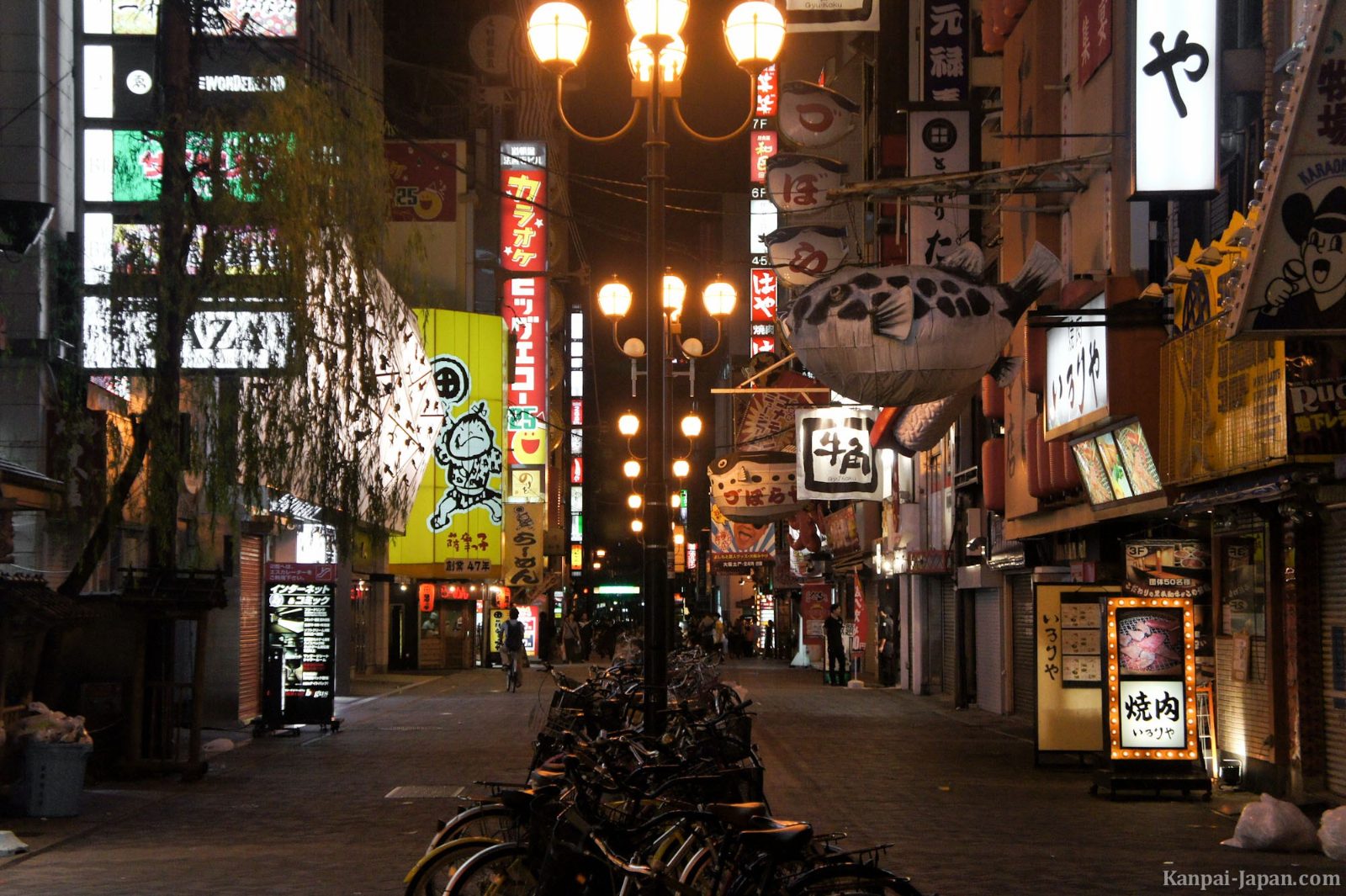
The technique demanded split-second timing: turn too early and the batter collapses, too late and the center dries. Within a decade, the octopus balls had colonized every festival stall and train-station corner in Kansai, their smoke rising above Dotonbori's neon each evening. By the 1950s, takoyaki had become synonymous with Osaka itself, a working-class comfort food that required no plate and no pause.
Today, an Osaka takoyaki cooking class offers visitors the same cast-iron pans and the same rapid choreography that defined the dish nine decades ago. Classes convene in private studios or residential kitchens across Namba and Dotonbori, where instructors demonstrate the wrist flick that rotates each sphere without tearing its skin. The batter recipe varies by household: some add dashi and soy, others fold in pickled ginger or tempura scraps. Participants learn to gauge doneness by sound—the faint crackle when the bottom sets—and by the resistance of the pick against the crust. Most sessions pair takoyaki with okonomiyaki or onigiri, building a sequence that mirrors a traditional Osakan meal.
The pedagogy is tactile. Each student receives a pan, a pick, and a portion of batter measured to fill eighteen wells. Instructors correct grip, timing, and heat in real time, circling the counter as the first batch hardens. The octopus—boiled, cubed, and still warm—goes into the well first, followed by batter poured to the rim, then a second pour once the edges bubble. The flip itself is a quarter-turn repeated four times, each rotation sealing a new surface until the ball is uniformly golden. Mistakes are immediate and visible: a torn skin, a raw center, a sphere that refuses to roll. By the third batch, most students achieve the tight geometry and caramelized finish that define a proper octopus ball. The class closes with tasting: takoyaki dressed in Bulldog sauce, Kewpie mayonnaise, aonori, and bonito flakes that writhe in the rising heat.
Osaka takoyaki cooking class tours operate daily from mid-morning through early evening, with sessions lasting ninety minutes to two hours. Locations cluster in Namba and near Dotonbori Bridge, where the density of street food stalls provides context for the technique being taught. Most classes accommodate four to eight participants, ensuring each student works their own pan. Ingredients are sourced the morning of the session, and recipes remain faithful to the proportions that Endo standardized nearly a century ago.
The flip itself is a quarter-turn repeated four times, each rotation sealing a new surface until the ball is uniformly golden.
Casual and comfortable clothing is recommended. Avoid loose sleeves that could interfere with cooking equipment.
Secure storage for personal items is generally provided in private studios. Large luggage should be left at hotels or station lockers.
Photography is permitted during the osaka takoyaki cooking class. Please check with your instructor before filming other participants.
Children are welcome in many classes with adult supervision. Check the specific osaka takoyaki cooking class guidelines for minimum age requirements.
Studio accessibility varies by location. Please confirm physical requirements when booking your osaka takoyaki cooking class.
Ingredients are provided during the osaka takoyaki cooking class. Notify your instructor of any food allergies in advance.
Operating Hours
10:00–18:00
Address
Various locations in Osaka
Accessibility
Varies by private studio
Best Arrival
10:00–17:00
Storage
Not available
Navigation
Use local transit
Public transport · 20-40 min · Varies by start location
Use the Osaka Metro Midosuji Line to reach central districts.
Cancellation policies depend on the specific provider booking terms. Refunds of the 0 JPY entrance fee are not applicable as classes are paid experiences.
Recommended time
2-3 hours
Most sessions for an osaka takoyaki cooking class last approximately three hours, covering ingredient preparation, batter mixing, and griddling techniques in a local kitchen setting. You should allocate extra time if you plan to explore the surrounding neighborhood or browse for authentic dashi stock and specialized equipment after your Japanese culinary lesson. Booking osaka takoyaki cooking class tours during the mid-morning or afternoon ensures you have sufficient natural light for perfecting your culinary craft. While these private sessions avoid standard tourist queues, securing your osaka takoyaki cooking class tickets well in advance is essential to accommodate studio availability.
Crowd levels through the day
Weather · crowds · average price — dots go green to amber to red as each metric rises.
Mild temperatures make walking to studio locations comfortable.
Reserve your osaka takoyaki cooking class at least two weeks ahead to ensure availability.
Takoyaki emerged in Osaka during 1935 when street vendor Tomekichi Endo refined an earlier snack called choboyaki, replacing the konnyaku and beef with diced octopus. Endo operated from a yatai stall in the Nishinariku district, where he developed the spherical cooking technique using a specialized cast-iron pan with hemispherical molds. The dish gained traction during wartime rationing as octopus remained more accessible than other proteins, and by 1945 dozens of vendors had adopted Endo's method across the city's working-class neighborhoods. Post-war reconstruction accelerated takoyaki's spread. In 1953, the Aizuya chain formalized the recipe—wheat batter, dashi, green onion, tempura scraps, pickled ginger, and octopus—and introduced the wire pick flipping motion that became standard practice. By the 1960s, takoyaki had moved from street corners into dedicated storefronts, and Osaka's Dotonbori district became the recognized center of production. The 1970 Osaka Expo introduced international visitors to the dish, prompting the first English-language inquiries about hands-on preparation. Cooking classes for tourists began in the mid-1980s when culinary schools in Osaka started offering half-day workshops alongside traditional kaiseki instruction. The format centered on batter mixing, octopus portioning, and the rotational flipping technique required to achieve uniform browning. By 2010, independent instructors were conducting osaka takoyaki cooking class sessions in residential kitchens and rented studios, emphasizing the regional variations in sauce viscosity and bonito flake application. The 2015–2020 period saw a shift toward English-language instruction as inbound tourism grew, with many classes incorporating market visits to source fresh octopus from Kuromon Ichiba. Today's osaka takoyaki cooking class tours typically include dashi preparation, batter chemistry, and comparative tastings of Kansai versus Kanto styles, reflecting both the dish's artisanal heritage and its role as an accessible entry point into Osaka's street-food culture.
Tomekichi Endo invents takoyaki in Osaka's Nishinariku district, replacing choboyaki ingredients with octopus.
Wartime adaptation spreads takoyaki across Osaka as octopus remains available during rationing.
Aizuya chain formalizes the recipe and introduces the wire-pick flipping technique.
Osaka Expo introduces takoyaki to international audiences, sparking culinary tourism interest.
Culinary schools in Osaka begin offering takoyaki workshops for tourists alongside traditional courses.
Independent instructors launch residential osaka takoyaki cooking class sessions in private studios.
English-language instruction expands as inbound tourism grows, with market tours added to class itineraries.
Modern classes emphasize dashi chemistry, regional style comparisons, and hands-on octopus preparation techniques.
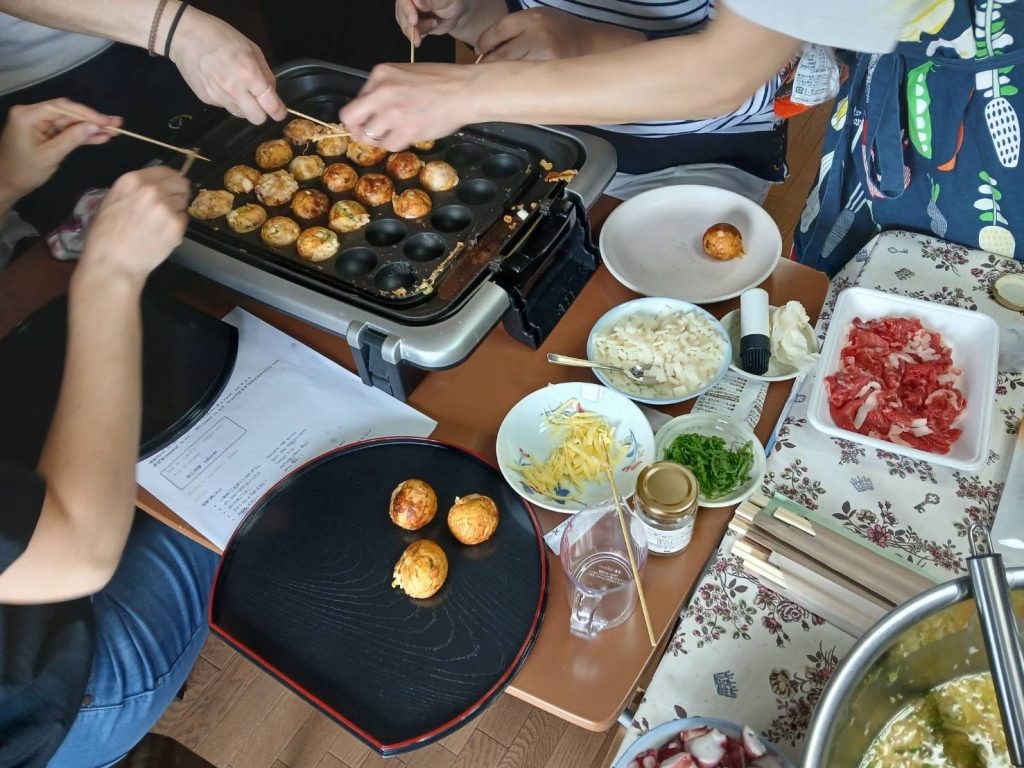
Position your camera at a low angle to capture the circular molds filled with batter and octopus pieces as the chef demonstrates the flipping technique during an osaka takoyaki cooking class.
Frame a top-down shot of the prepared ingredients including scallions, ginger, and tenkasu bowls arranged neatly on a wooden table to highlight the aesthetic of a Japanese Cooking Class.
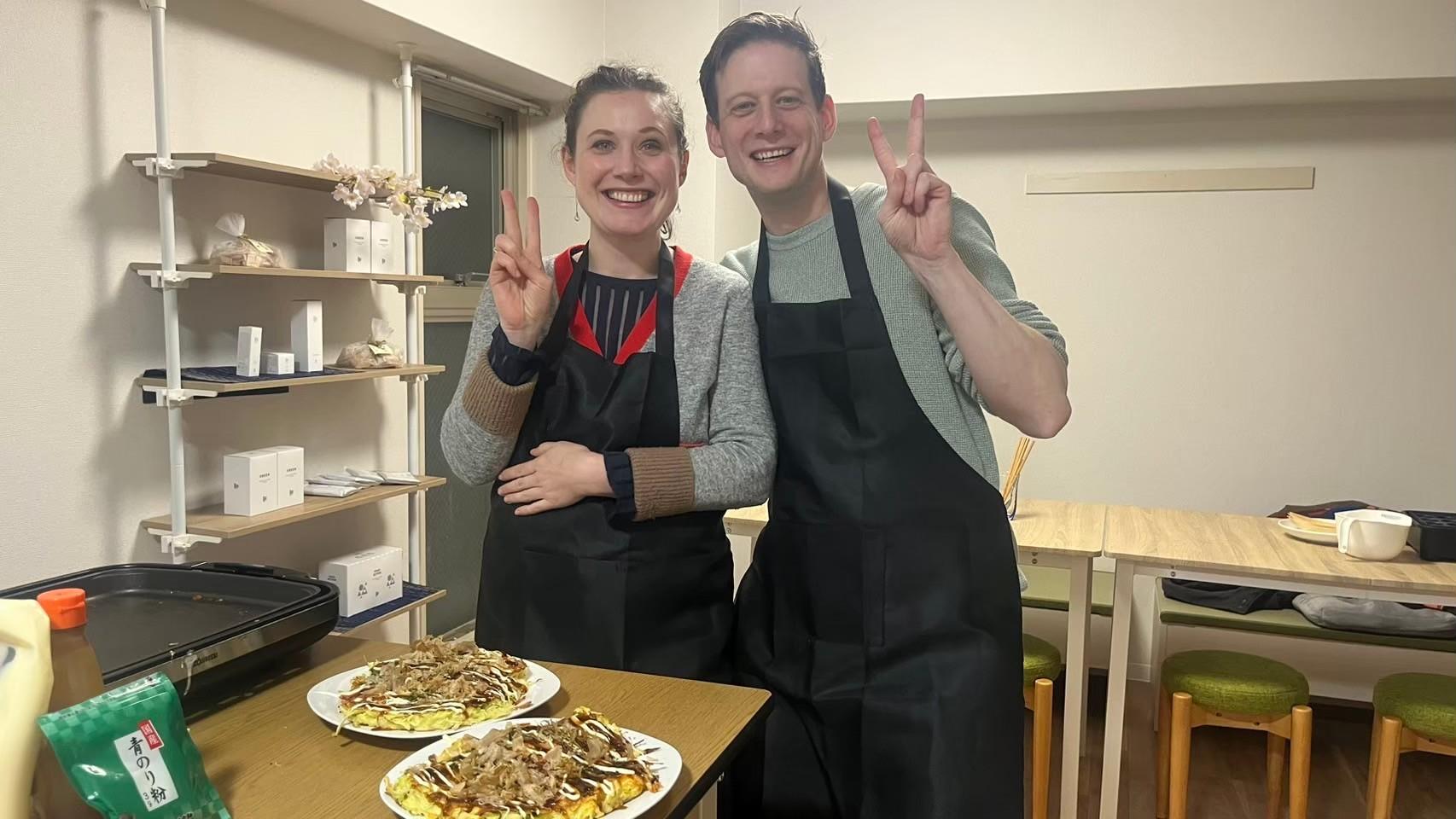
Capture a close-up of the finished golden-brown spheres drizzled with sauce and mayonnaise on a ceramic plate, ensuring the steam is visible in the soft natural light of the workspace.
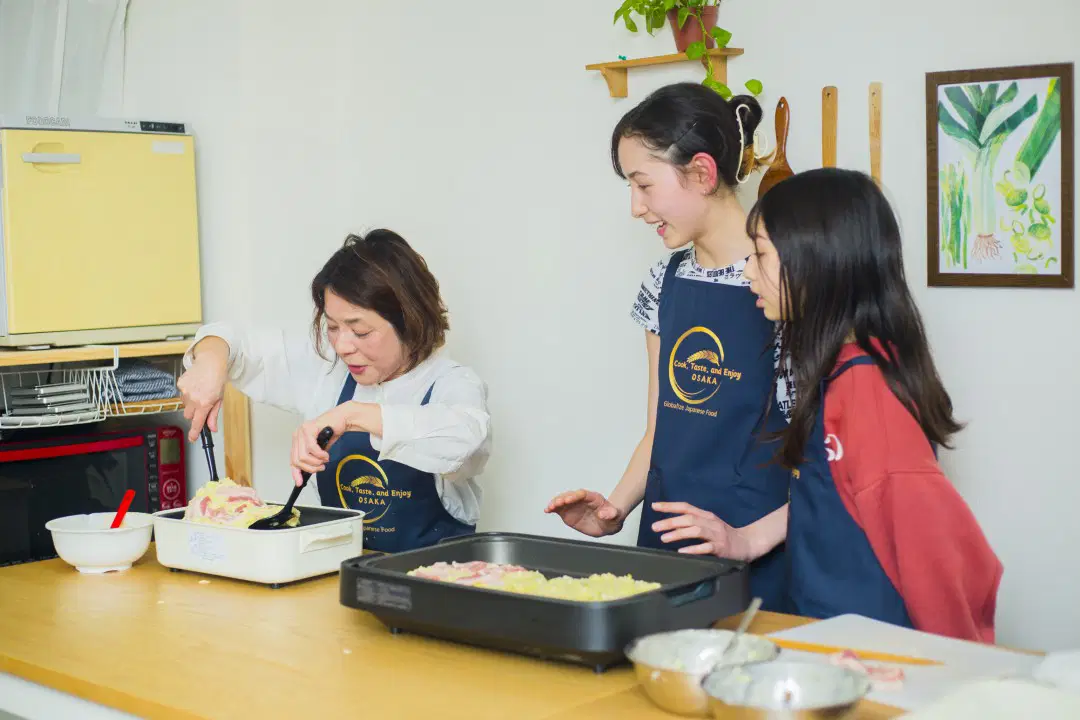
Take a wide shot of participants working together to flip the savory snacks, focusing on the authentic kitchen atmosphere that makes these osaka takoyaki cooking class tours so engaging.
Participating in an osaka takoyaki cooking class allows families to learn local culinary traditions in a hands-on environment. These sessions provide an engaging way for children to practice their batter-flipping skills while discovering Japanese street food culture.
Most private studios have limited storage space, so consider using a lightweight carrier instead of a full-size stroller. Please verify if your chosen venue can accommodate bulky equipment
While many osaka takoyaki cooking class tours welcome young chefs, children under six may need extra assistance with the hot griddle. Confirm specific age limits with your instructor before booking
Since these classes occur in private homes or studios, facilities vary by location. Ask your host about the availability of high chairs or dedicated child-friendly utensils before finalizing your osaka takoyaki cooking class tickets
These interactive workshops are designed to be flexible for younger learners who might need frequent breaks. When scheduling your osaka takoyaki cooking class tour, choose a time during the best arrival window of 10:00–17:00 to ensure a relaxed pace.
Visitors participating in an osaka takoyaki cooking class often explore nearby local eateries to supplement their hands-on culinary experience. While private studios serve as the primary venues, the surrounding districts offer numerous authentic dining choices for those booking osaka takoyaki cooking class tours.
This renowned spot is perfect for comparing your homemade creations with professional versions. It often draws crowds, so consider visiting during off-peak hours to secure your osaka takoyaki cooking class tickets for a nearby session without rushing.
Known for a soft, creamy center, this location provides a benchmark for texture as you master your own osaka takoyaki cooking class tour. It is located in a high-traffic area, making it ideal for a quick bite before your scheduled appointment.
This historic establishment specializes in okonomiyaki and offers a deeper look into the batter-based delicacies of the region. It is a suitable choice for a sit-down meal to reflect on your Japanese cooking class experience.
Everything you need to know for your journey
Classes operate between 10:00–18:00 daily.
Most sessions are family-friendly, though minimum age limits may apply for the osaka takoyaki cooking class.
Outside food is not permitted as all ingredients are supplied for your osaka takoyaki cooking class.
You can reserve osaka takoyaki cooking class tickets through online booking platforms.
The best arrival window is 10:00–17:00 to utilize daylight hours.
Yes, guests are encouraged to document their osaka takoyaki cooking class experience.
Wear comfortable clothing suitable for a kitchen environment during the osaka takoyaki cooking class.
Most locations are easily accessible via Osaka Metro lines near popular landmarks.
Please inform your instructor at the start of your osaka takoyaki cooking class regarding any dietary restrictions.
Famous district known for neon lights and canal views.
High-end hotels near major transit hubs.
Join thousands of happy travelers who have discovered this incredible experience
Book Your Experience Now