English| EUR
Suggested for you
More currencies
Book Now
Open today · 10:00–20:00

Private Cooking Class Osaka

Private Cooking Class Osaka — Exclusive Culinary Workshops

Craft sushi in Dotonbori kitchens, master ramen from broth to bowl

50K+ travelers chose this
Free Cancellation
Right now: Moderate — autumn season Please arrive 10 minutes prior to your scheduled private cooking class osaka start time.
Free Cancellation
Instant confirmation Mobile voucher Free cancellation Verified partner Book now, pay later
2,500 JPY
Base entrance fee
Starting rate per person
10:00–17:00
Best arrival window
Allows time for market tours
2.5-3 hrs
Typical class duration
Focused on private culinary sessions
10:00–20:00
Daily opening hours
Open seven days a week
Choose your ticket

Private Cooking Class Osaka tickets at a glance

Compare fares, pick the fit — all bookings are mobile-voucher and eligible for free cancellation where shown.

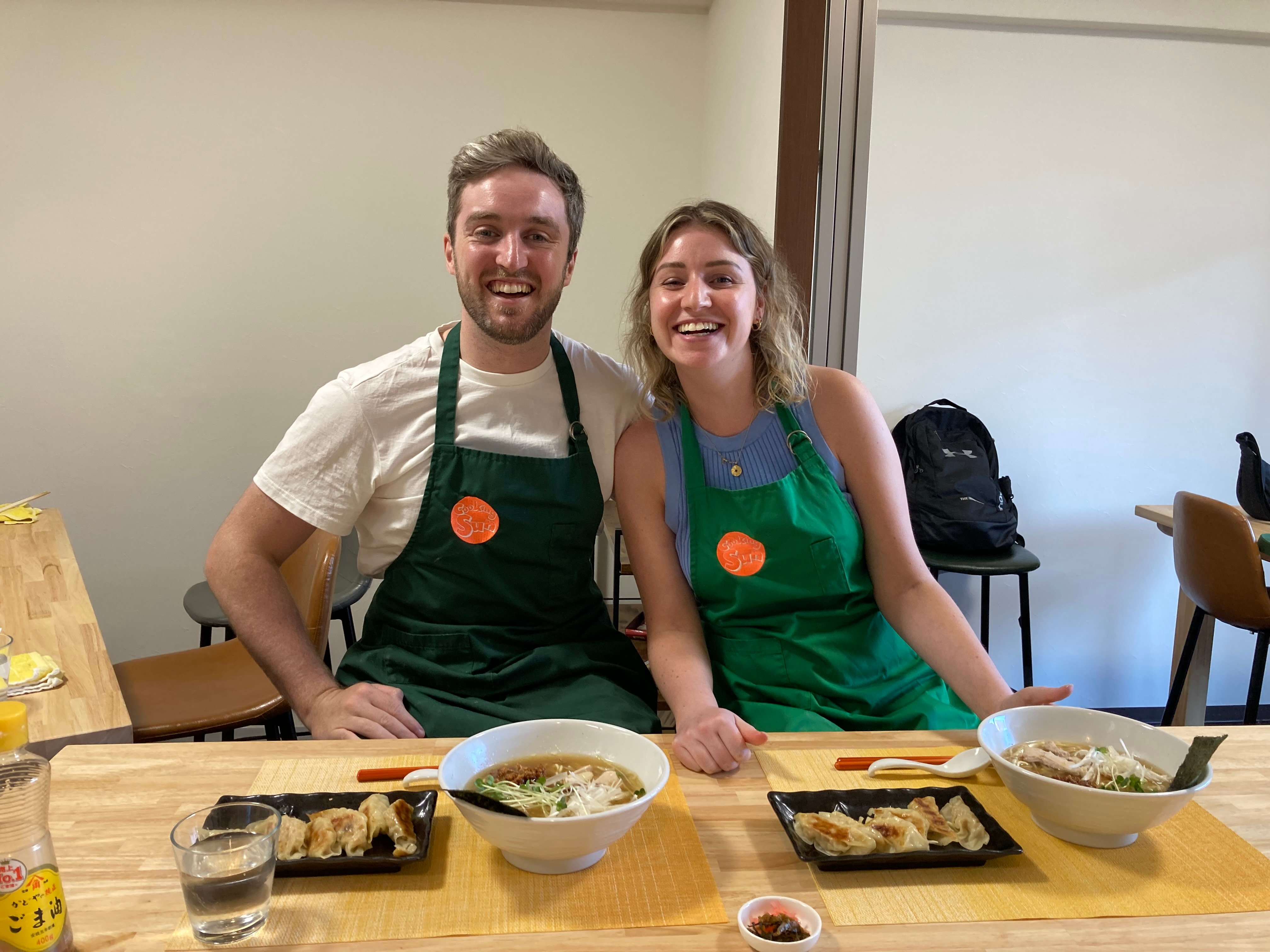
Ramen & Gyoza Cooking Workshop in Dotonbori 3 hr
Standard Entry

Ramen & Gyoza Cooking Workshop in Dotonbori

5 (541)
€61
  • Entry ticket
  • Mobile voucher
  • Valid same day
  • Free cancellation
Book this ticket
Roll & Authentic Sushi Making Class in Dotonbori 1 hr 40 min
Standard Entry

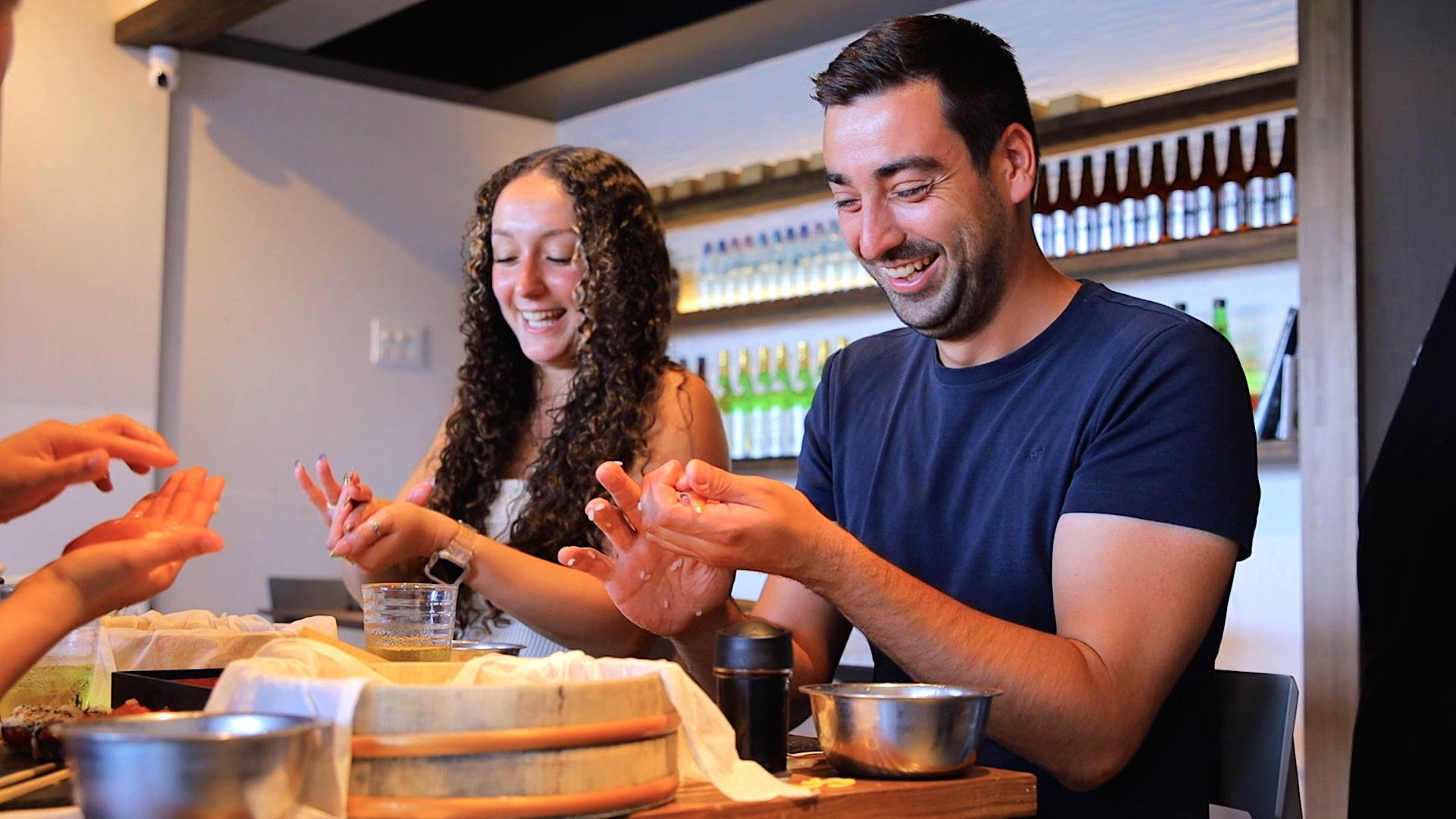
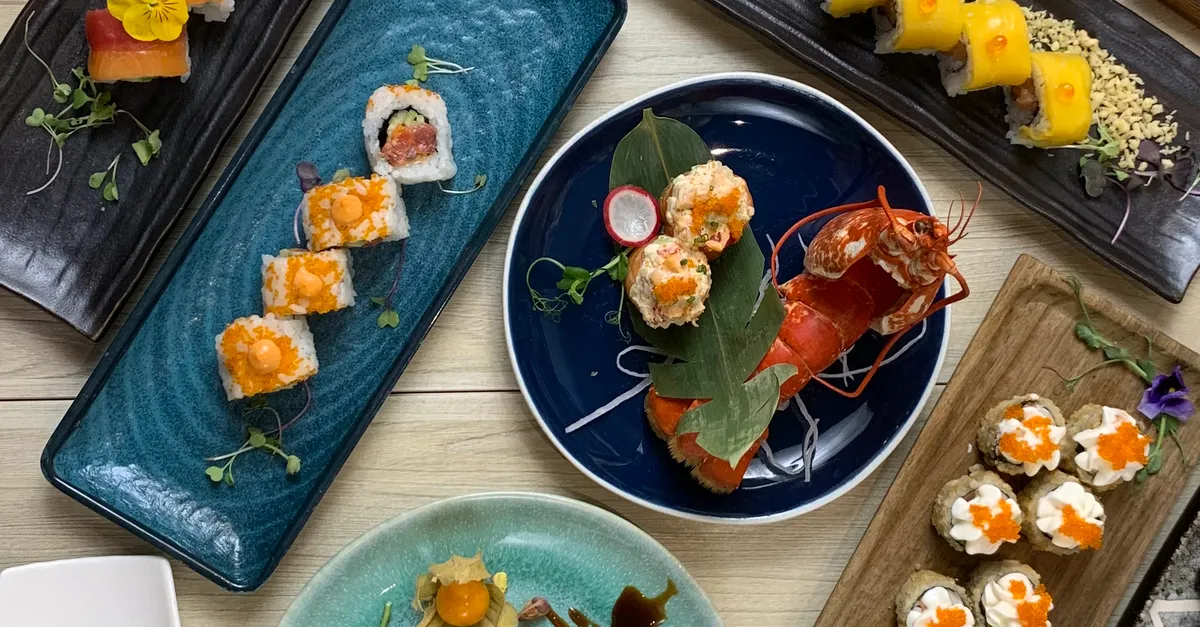
Roll & Authentic Sushi Making Class in Dotonbori

4.9 (469)
€39
  • Entry ticket
  • Mobile voucher
  • Valid same day
  • Free cancellation
Book this ticket
Compare options

Compare Private Cooking Class Osaka ticket options

Experience DurationRatingGuideSmall groupFree cancel. Price
Standard Entry
Most popular
Traditional Chopstick Crafting Workshop Near Osaka Castle
1 hr★ 5.0 €7 Book →
Standard Entry
Ramen & Gyoza Cooking Workshop in Dotonbori
3 hr★ 5.0 €61 Book →
Standard Entry
Roll & Authentic Sushi Making Class in Dotonbori
1 hr 40 min★ 4.9 €39 Book →

Is a Private Cooking Class Osaka Experience Worth the Cost?

Worth it for hands-on learners seeking authentic skills

A private cooking class osaka session starts at 2,500 JPY and delivers personalized instruction you won't find in group tours. These hands-on workshops—ranging from sushi rolling in Dotonbori to ramen and gyoza preparation—place you in small settings where instructors adapt pacing to your skill level. The intimate format means direct feedback on knife technique, seasoning adjustments, and plating, with most sessions running 2.5 to 3 hours including market tours. Unlike pre-packaged culinary tours that shuffle groups through scripted demos, osaka cooking classes let you ask questions mid-prep and repeat steps until muscle memory clicks. The chopstick and knife crafting workshops add a tangible souvenir—your own engraved blade or handmade utensils—that extends value beyond the kitchen. For travelers prioritizing skill acquisition over sightseeing volume, the cost per hour of personalized instruction compares favorably to generic food tours, especially when you factor in replicable recipes and techniques that travel home with you.

What makes it worth it

  • Personalized pacing tailored to your skill level
  • Hands-on practice with immediate instructor feedback
  • Market tours teach ingredient selection and sourcing
  • Take home recipes and craft souvenirs you made
  • Small group sizes ensure individual attention

Keep in mind

  • Base rate excludes premium ingredients or sake pairings
  • Sessions require 2.5–3 hour commitment
  • Limited availability during peak dining hours

Bottom line: If you value learning repeatable techniques over passive food sampling, private cooking class osaka tours justify the investment through direct skill transfer and the intimacy of home-style instruction.

Head to head

Private Cooking Class Osaka vs Osaka Street Food Tour — Which Culinary Experience Is Best?

Visitors seeking hands-on technical skills prefer the private cooking class osaka, while those prioritizing efficiency and broad taste testing should choose the street food tour.

Top pick
Cooking Class
Street Food Tour
Base Price 6,000 JPY
Typical Duration 3 hours
Skill Level Observation only
Primary Focus Regional snacks
Group Size Small group tours
Market Inclusion Includes local district walk
Booking Need Advance booking recommended

Verdict: The private cooking class osaka tour provides deeper cultural immersion through active participation, whereas the street food tour offers a broader overview of local snacks via private cooking class osaka tickets.

Featured Experiences

Popular Private Cooking Class Osaka tours & activities

Hand-picked experiences loved by thousands of travelers

Recommended Experience

Powered by GetYourGuide

Another traveler favorite

Powered by GetYourGuide
Japanese Knife Crafting Workshop with Engraving 1 hour 30 minutes Free Cancellation

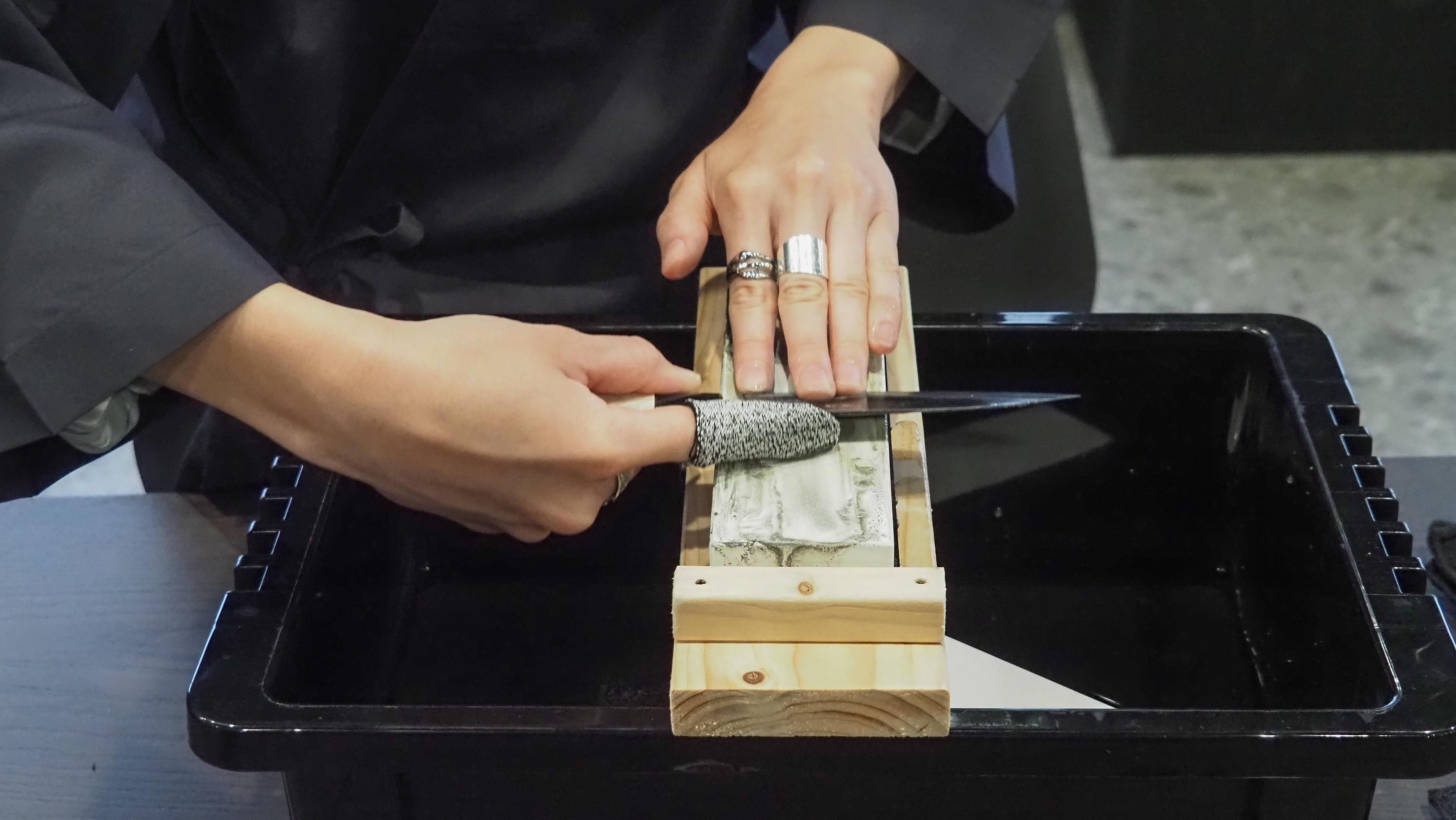
Japanese Knife Crafting Workshop with Engraving

Craft and customize your own traditional Japanese knife under expert guidance in this meditative hands-on experience.

4.9 (432)
FromFrom €139.54
See details
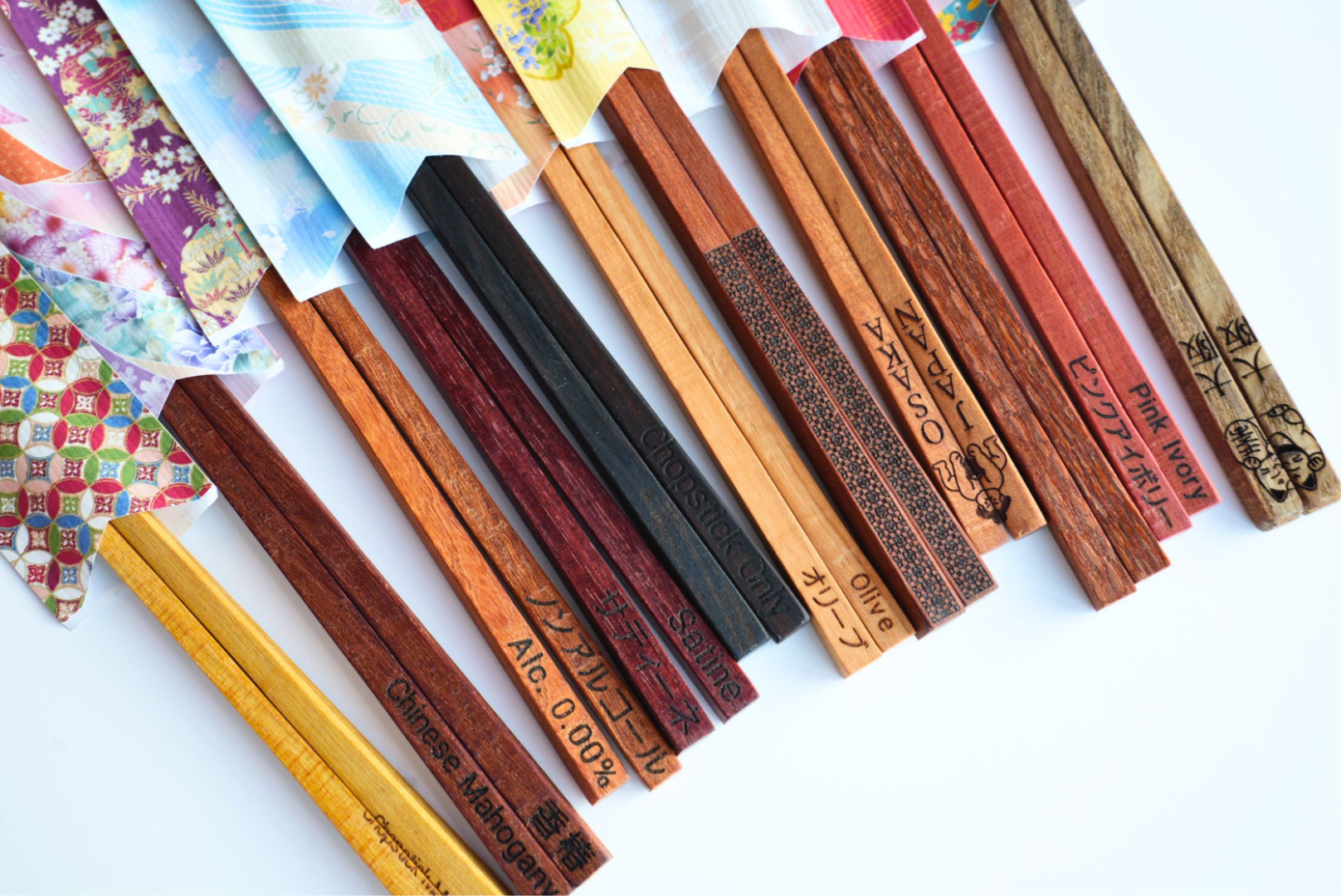
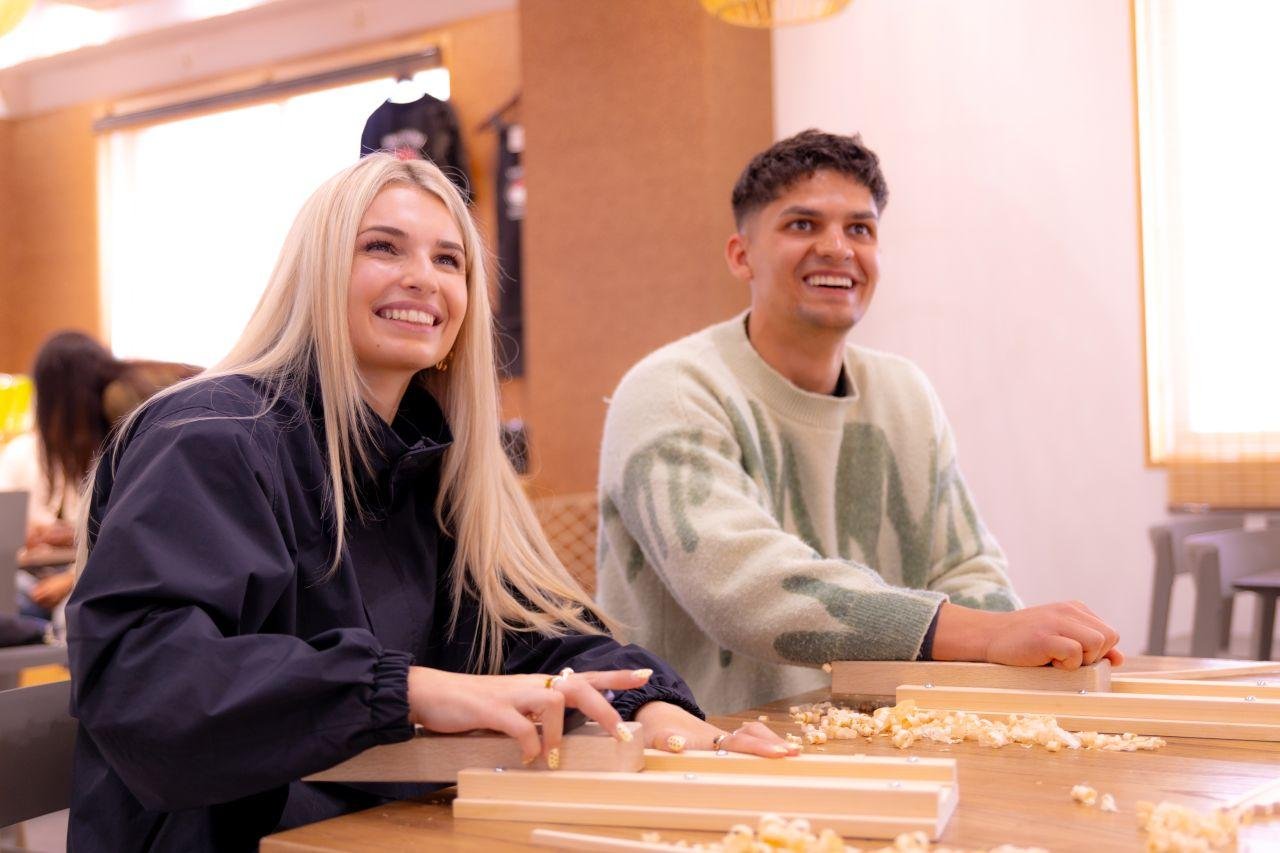
Handcraft Your Own Wooden Chopsticks in Osaka 1 hour Free Cancellation

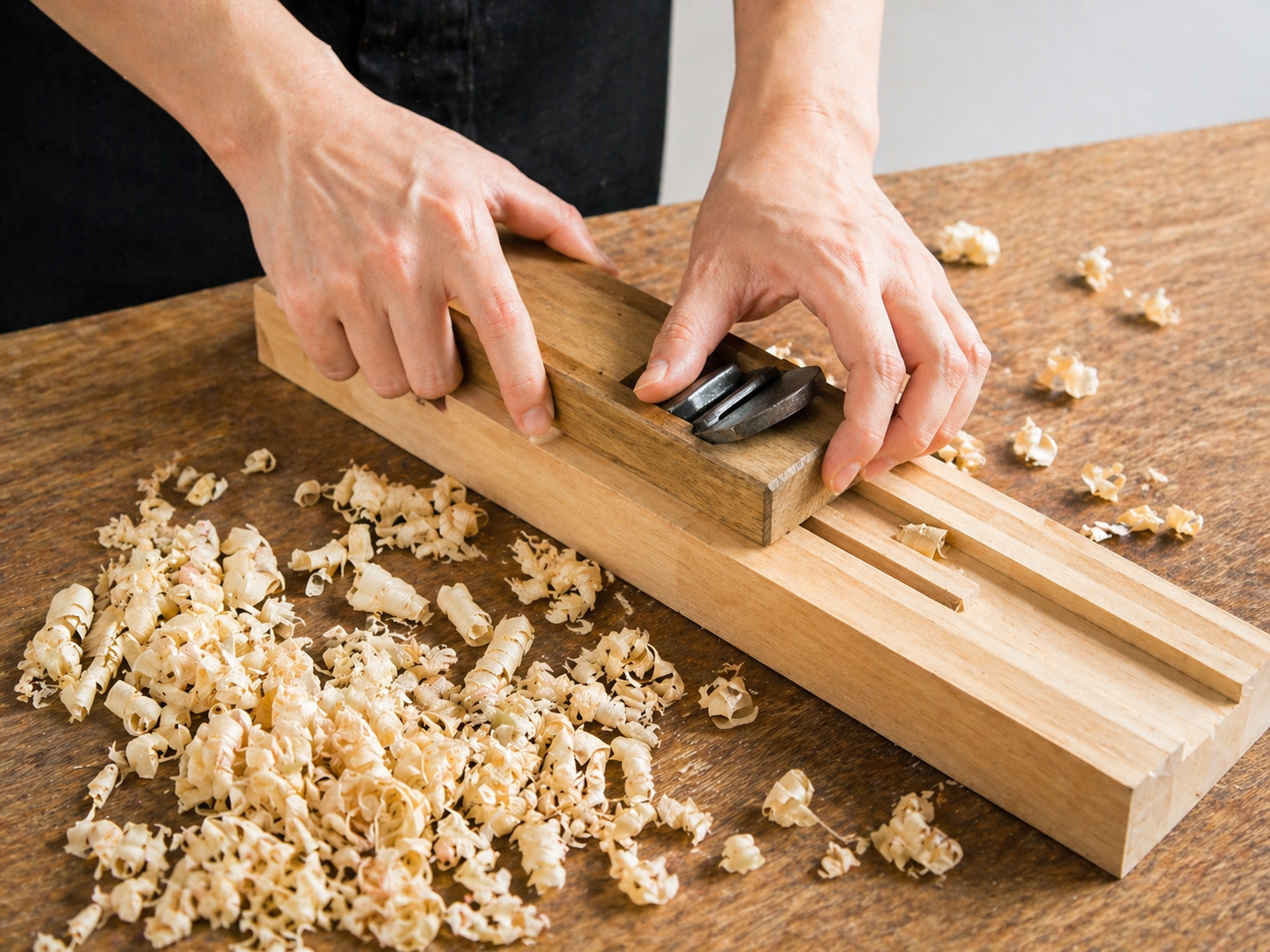
Handcraft Your Own Wooden Chopsticks in Osaka

Shape, smooth, and finish a unique pair of chopsticks from authentic Japanese wood in this hands-on cultural workshop.

4.9 (322)
FromFrom €5.53
See details
Chopstick Making Workshop in Central Osaka 1 hour Free Cancellation

Chopstick Making Workshop in Central Osaka

Craft authentic wooden chopsticks with hands-on guidance from a local artisan in Japan's culinary capital

4.8 (237)
FromFrom €8.37
See details
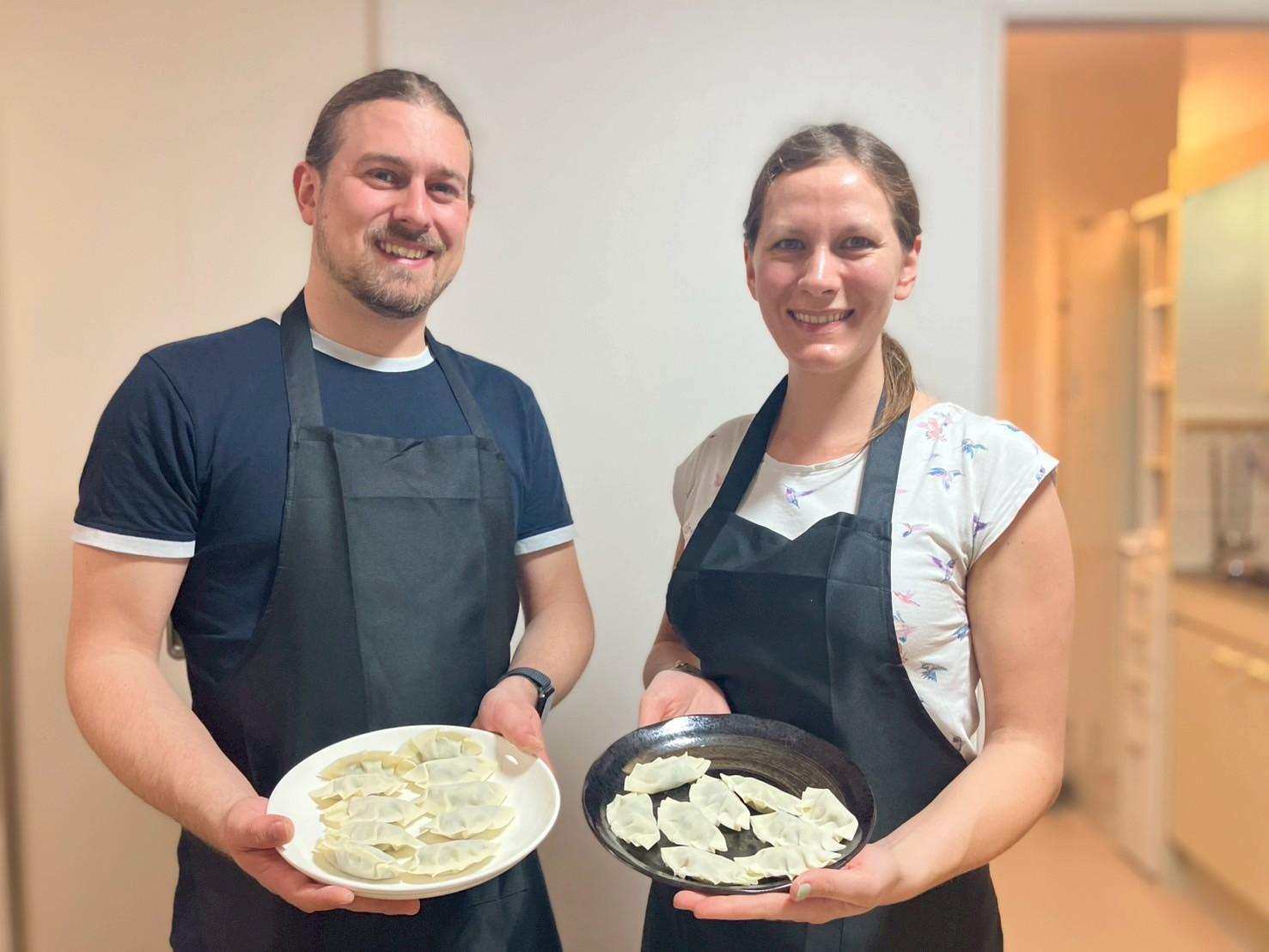
Ramen & Gyoza Cooking Class in Namba 2 hours Free Cancellation

Ramen & Gyoza Cooking Class in Namba

Roll up your sleeves and craft authentic Japanese ramen and dumplings in a hands-on Osaka workshop

4.9 (182)
FromFrom €61.4
See details
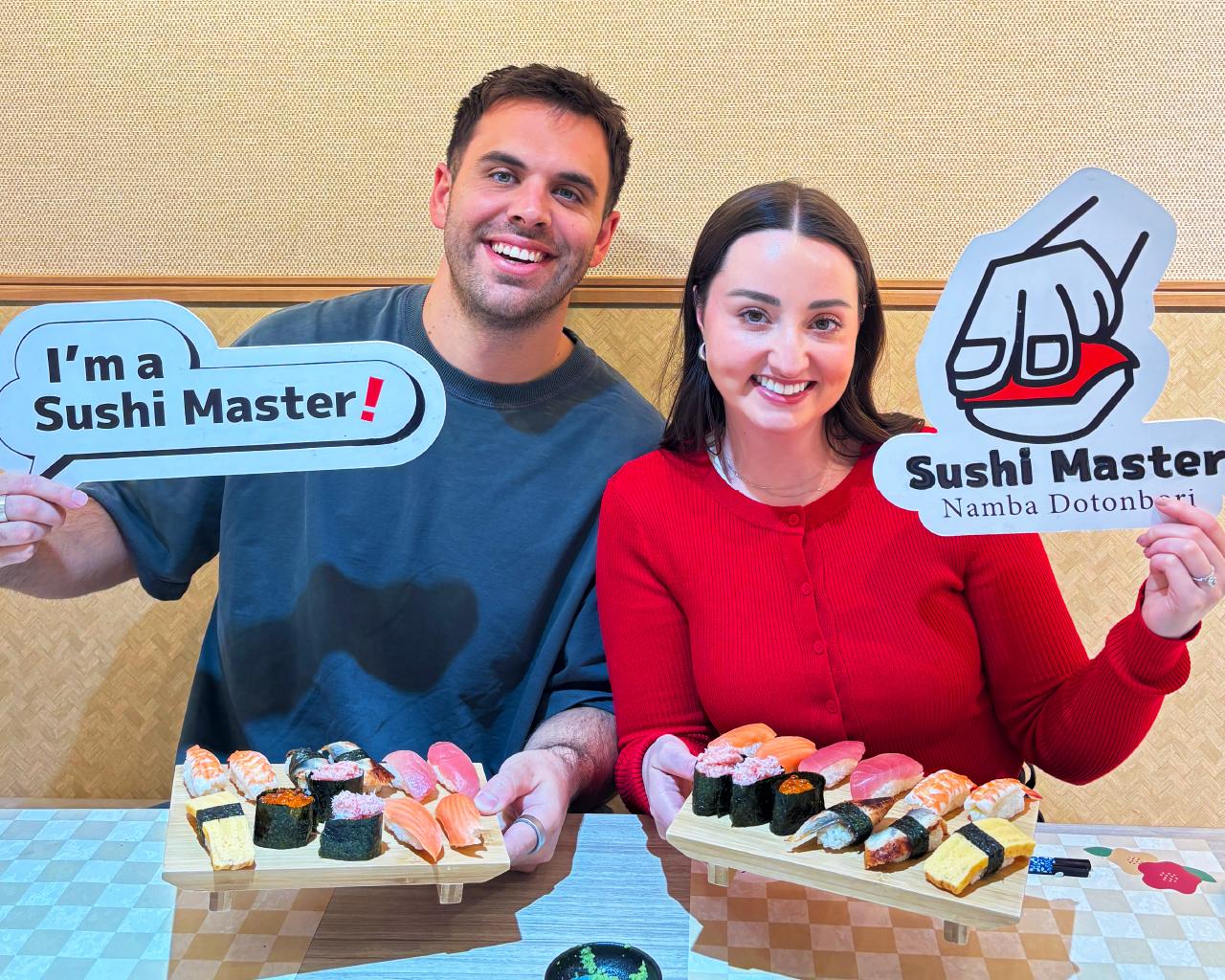
Hands-On Sushi Workshop in Namba 1 hour 30 minutes Free Cancellation

Hands-On Sushi Workshop in Namba

Master the art of sushi rolling in a spacious Osaka studio with English instruction and sake pairing

5 (152)
FromFrom €31.26
See details
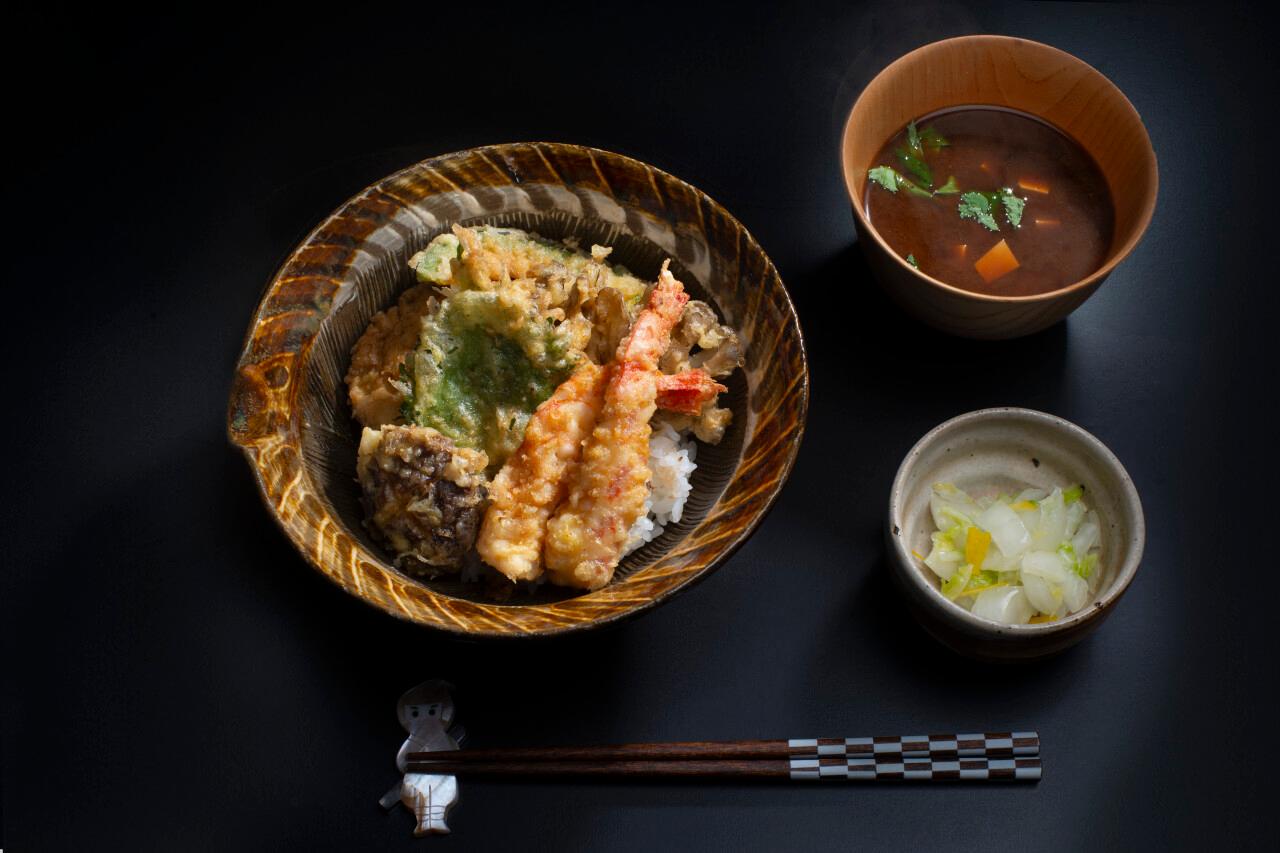
Authentic Tempura & Miso Soup Cooking Class with Chef Yuki 2 hours 30 minutes Free Cancellation

Authentic Tempura & Miso Soup Cooking Class with Chef Yuki

Master traditional Japanese cooking techniques in an intimate setting with a Michelin-trained chef

4.9 (41)
FromFrom €83.73
See details
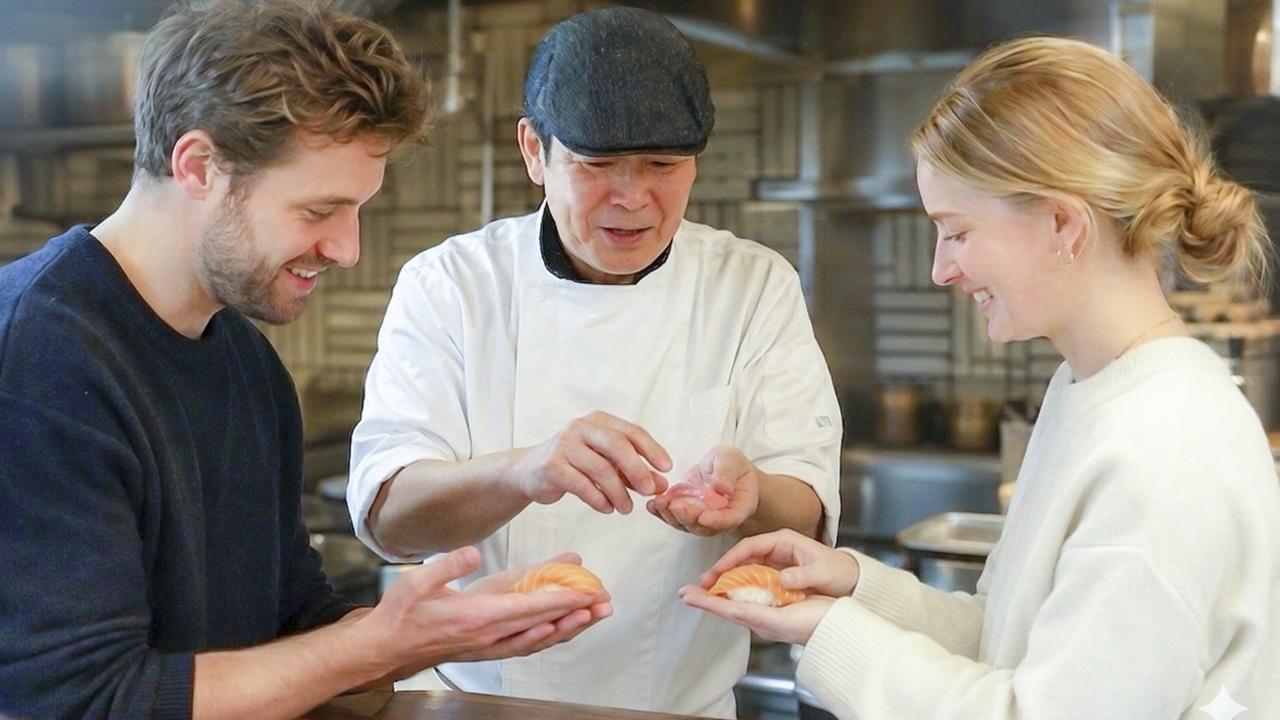
Omakase Sushi Workshop with 40-Year Master Chef 2.5 hours Free Cancellation

Omakase Sushi Workshop with 40-Year Master Chef

Shape nigiri by hand under expert instruction, then feast on 20+ premium pieces in a lively Umeda tavern

5 (3)
FromFrom €114.92
See details
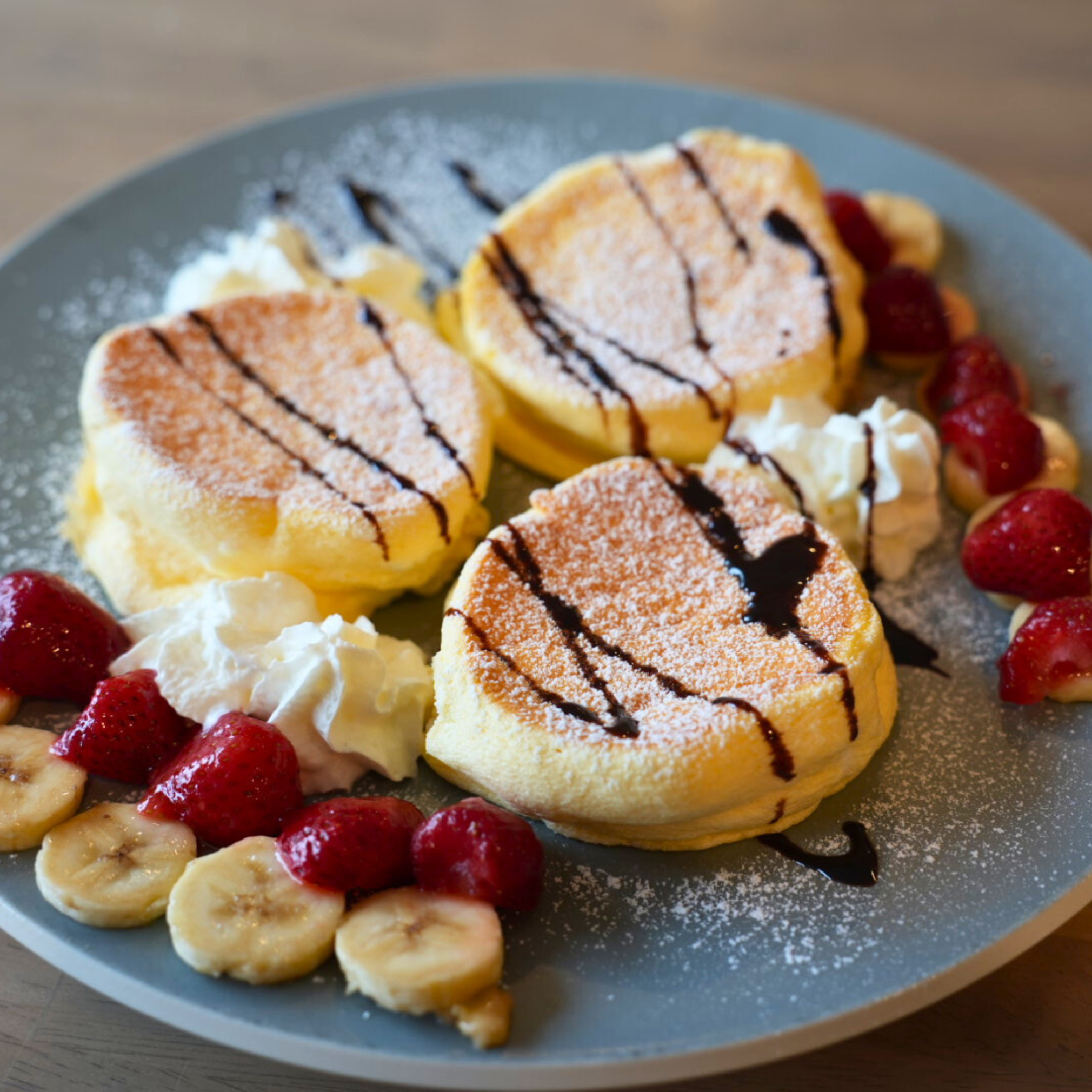
Private Soufflé Pancake Cooking Class with Japanese Tea 1.5 hours Free Cancellation

Private Soufflé Pancake Cooking Class with Japanese Tea

Discover the art of Japanese soufflé pancakes in an intimate hands-on workshop with tea and treats

5 (6)
FromFrom €61.4
See details
What you'll see

What you'll see at Private Cooking Class Osaka

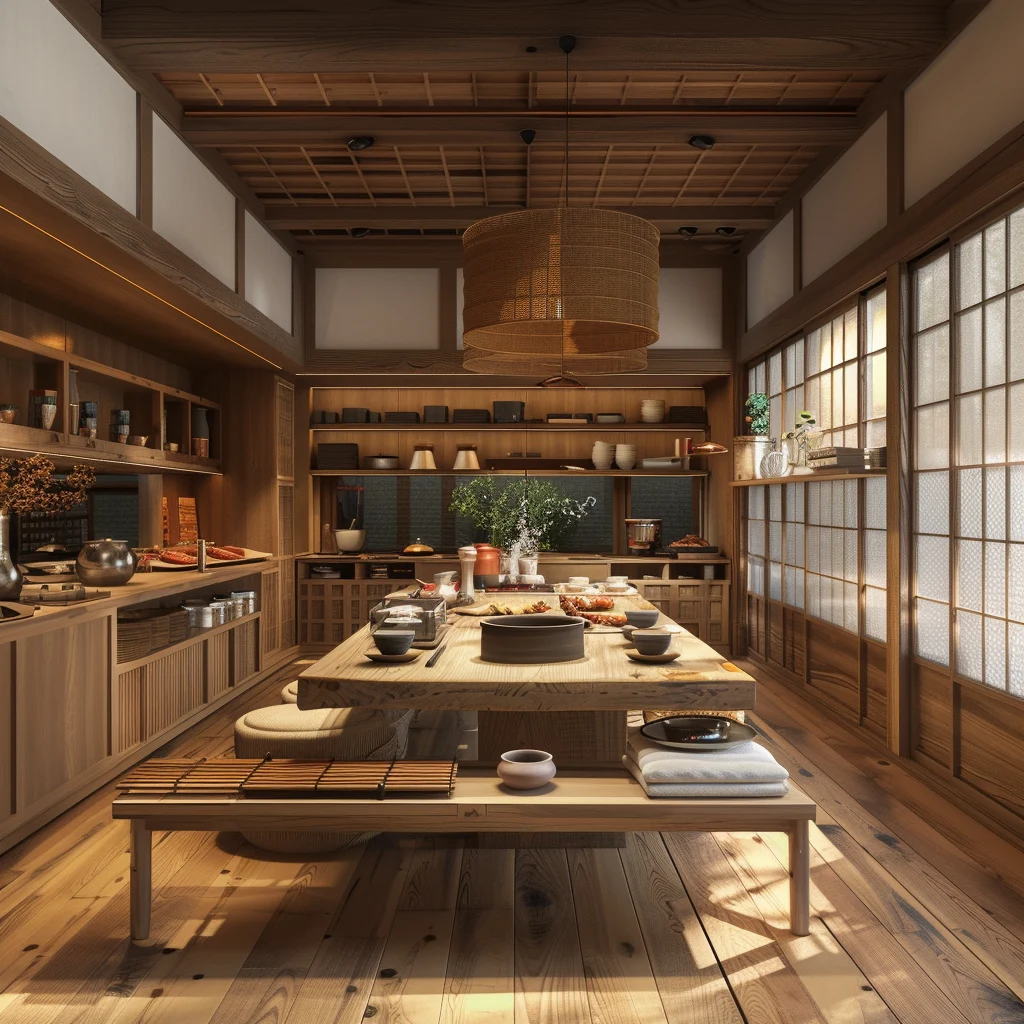
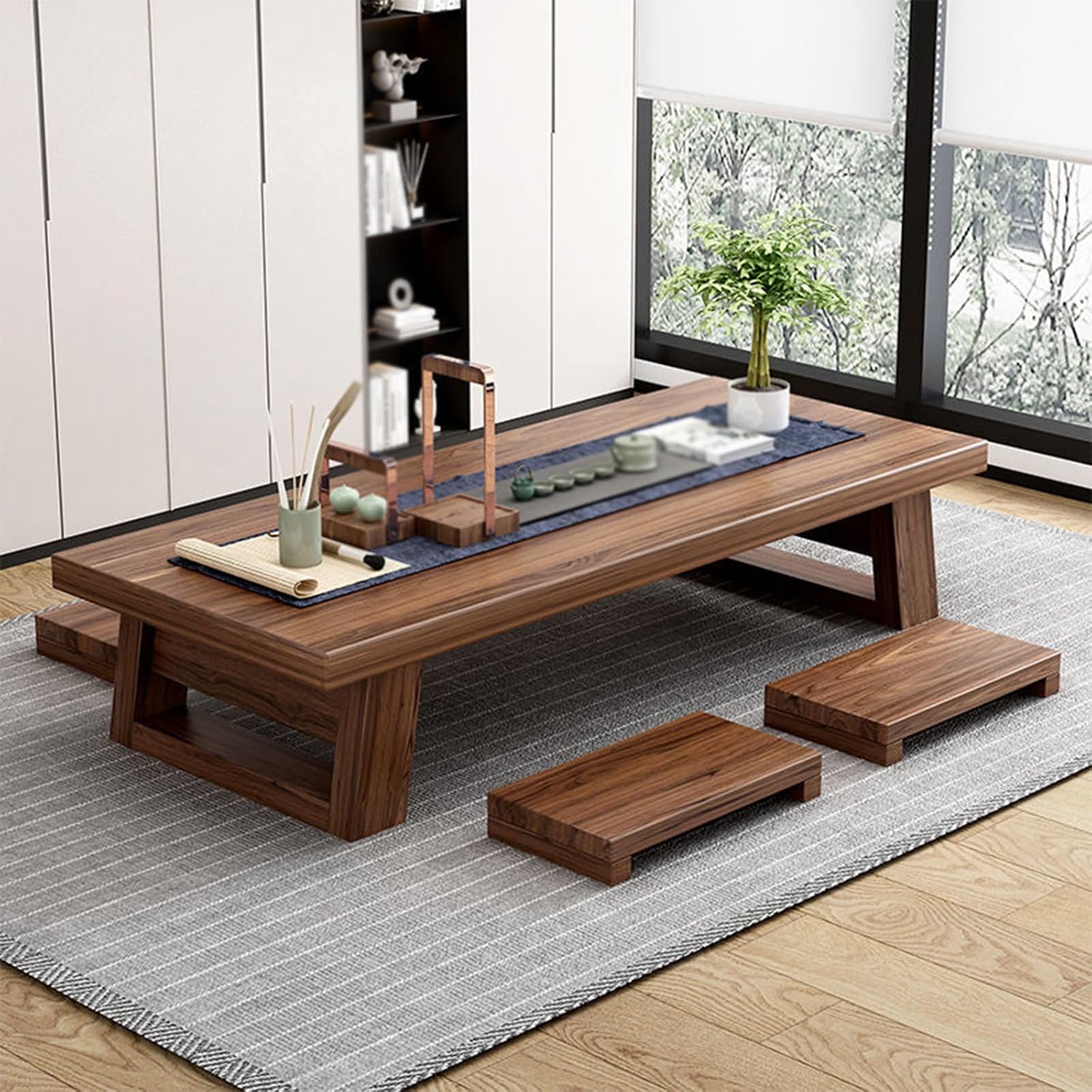
Kitchen Studio Setup

Kitchen Studio Setup

Experience professional tools and a traditional Japanese layout in your private cooking class osaka studio.

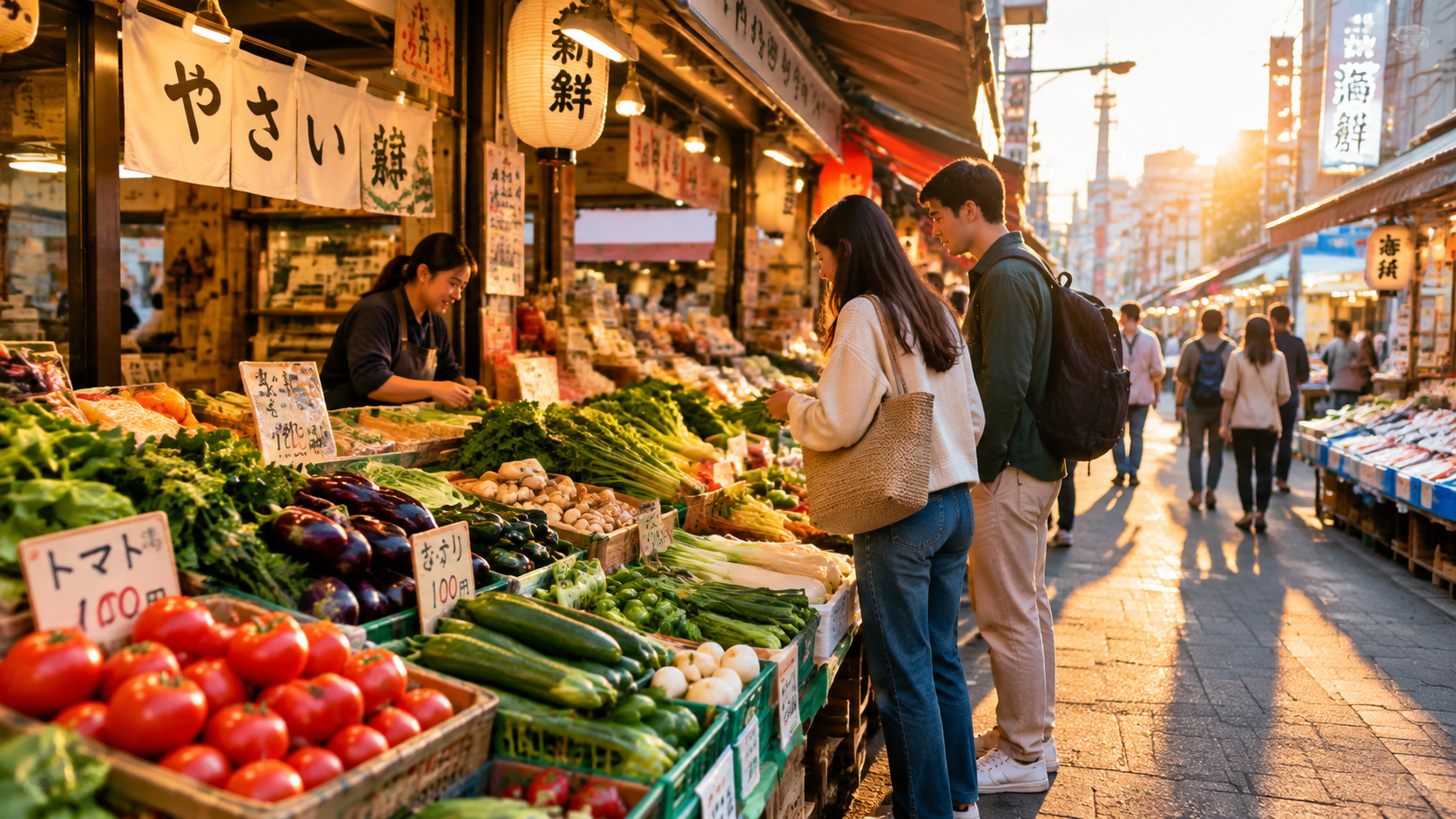
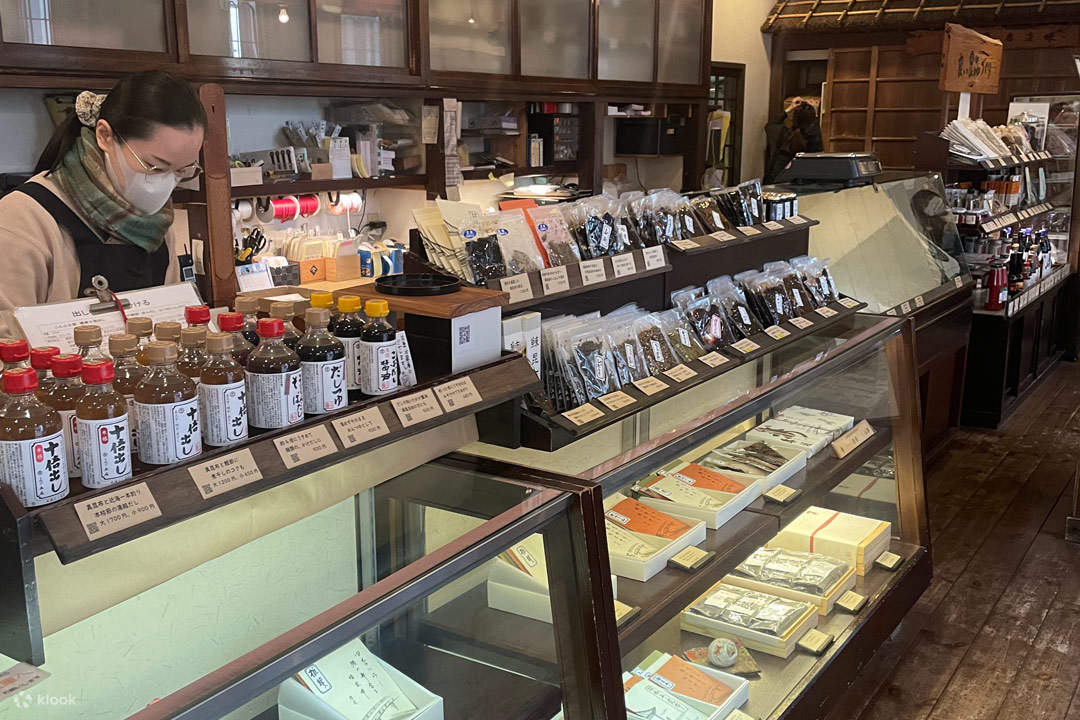
Market Tour Area

Market Tour Area

Explore local ingredients often sourced from regional markets before starting your private cooking class osaka.

Dining Space

Dining Space

Enjoy your freshly prepared meal in a welcoming, intimate setting at the end of your private cooking class osaka.

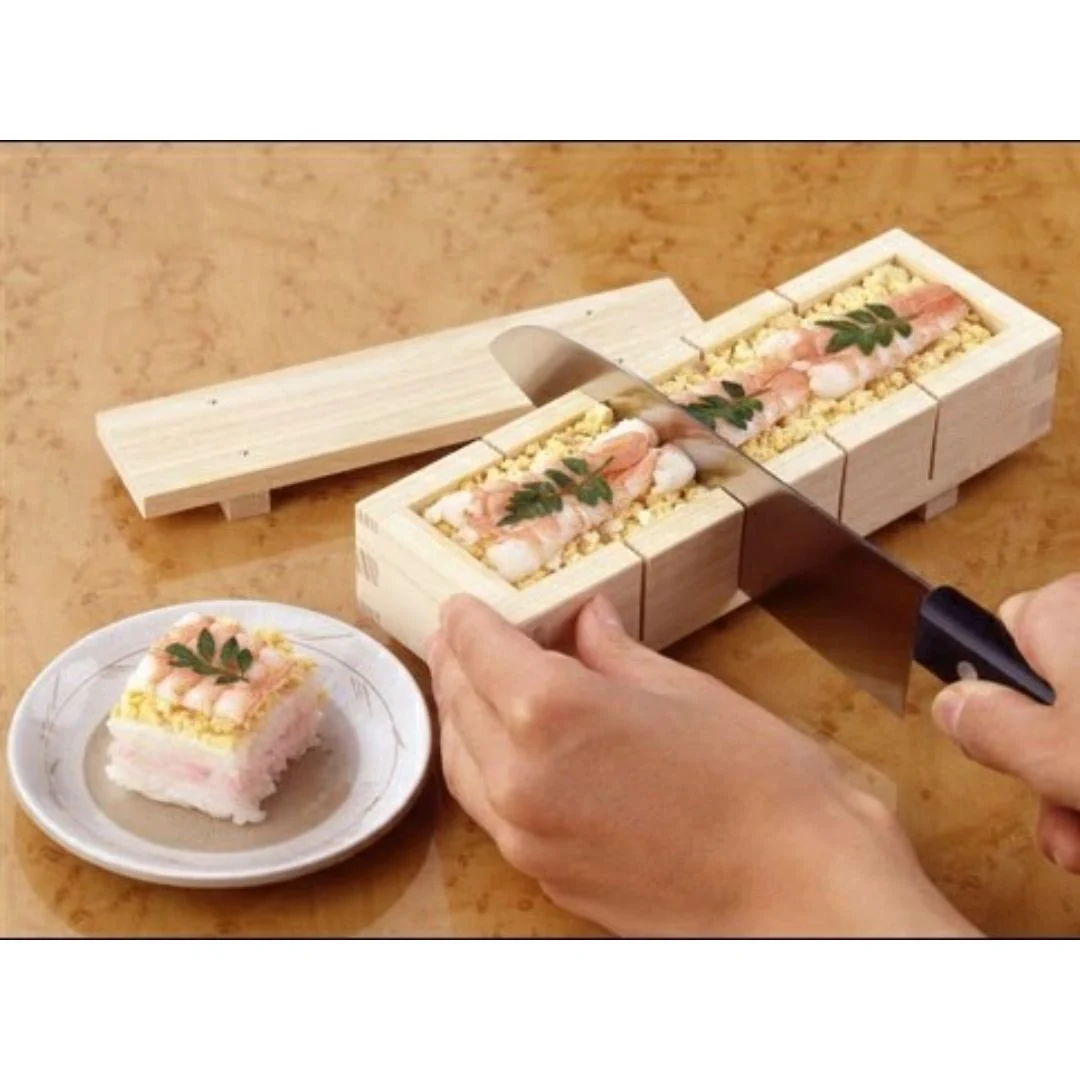
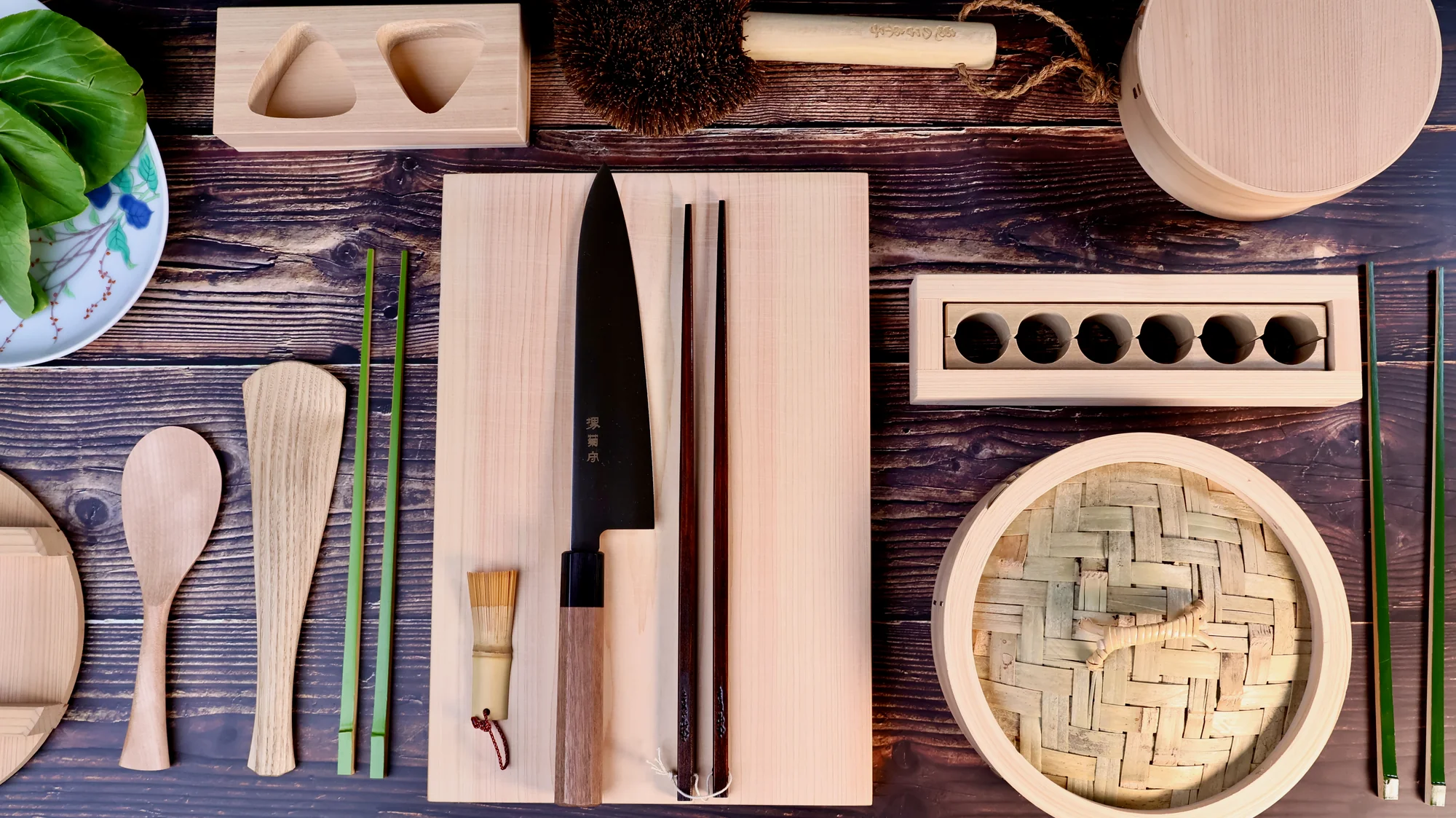
Hand-Crafted Utensils

Hand-Crafted Utensils

Discover the importance of traditional tools like the wooden box for pressed sushi in your private cooking class osaka.

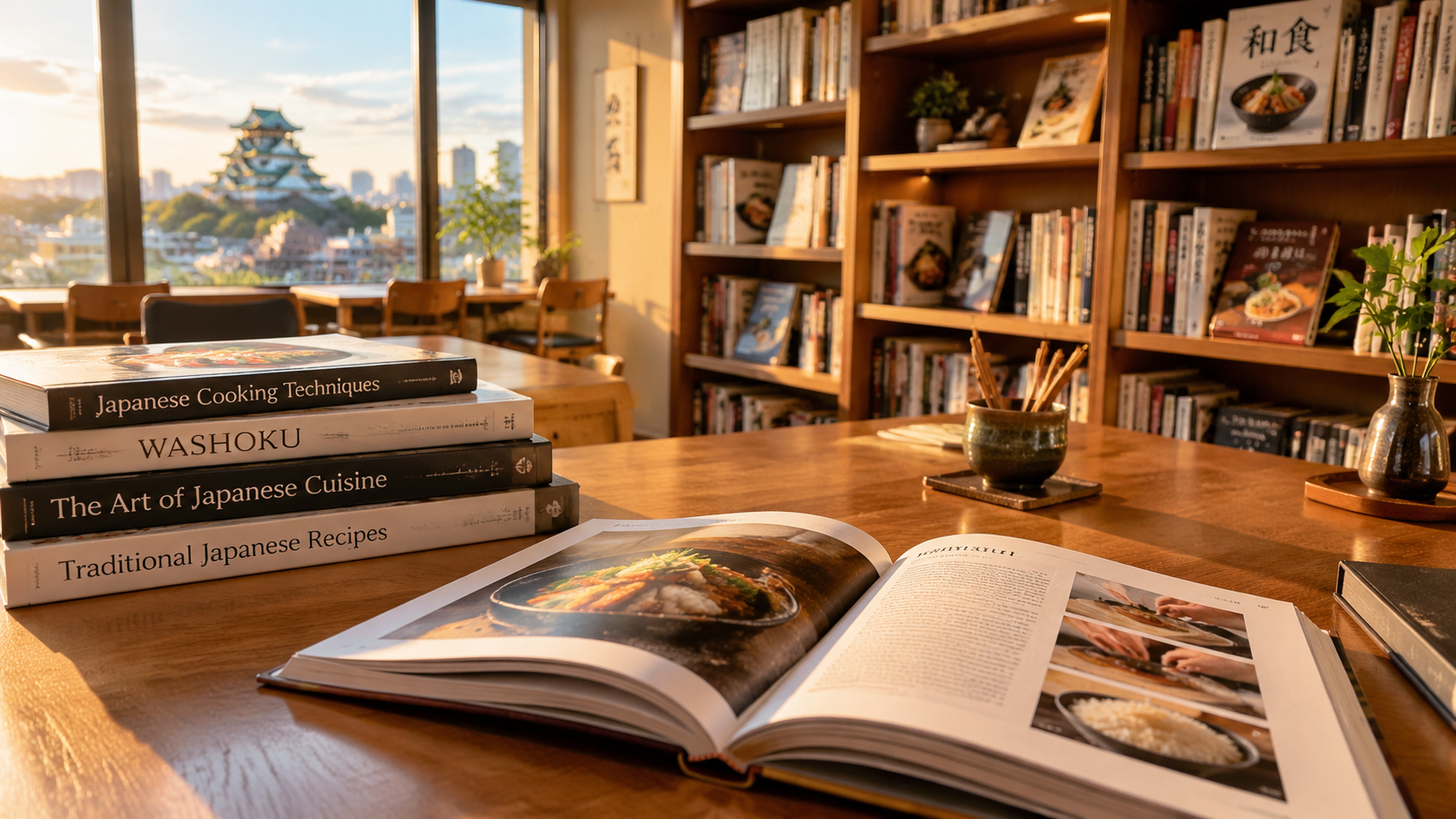
Culinary Library

Culinary Library

Browse books on washoku techniques used as references during your private cooking class osaka.

The experience

What visiting Private Cooking Class Osaka is really like

You meet your instructor mid-morning outside Kuromon Ichiba, where the first task is not cooking but shopping. You walk the narrow aisles of the covered market, pausing at stalls to examine daikon by weight and color, to smell shiitake for freshness, to choose negi and gingerroot still flecked with soil.

Read more Show less

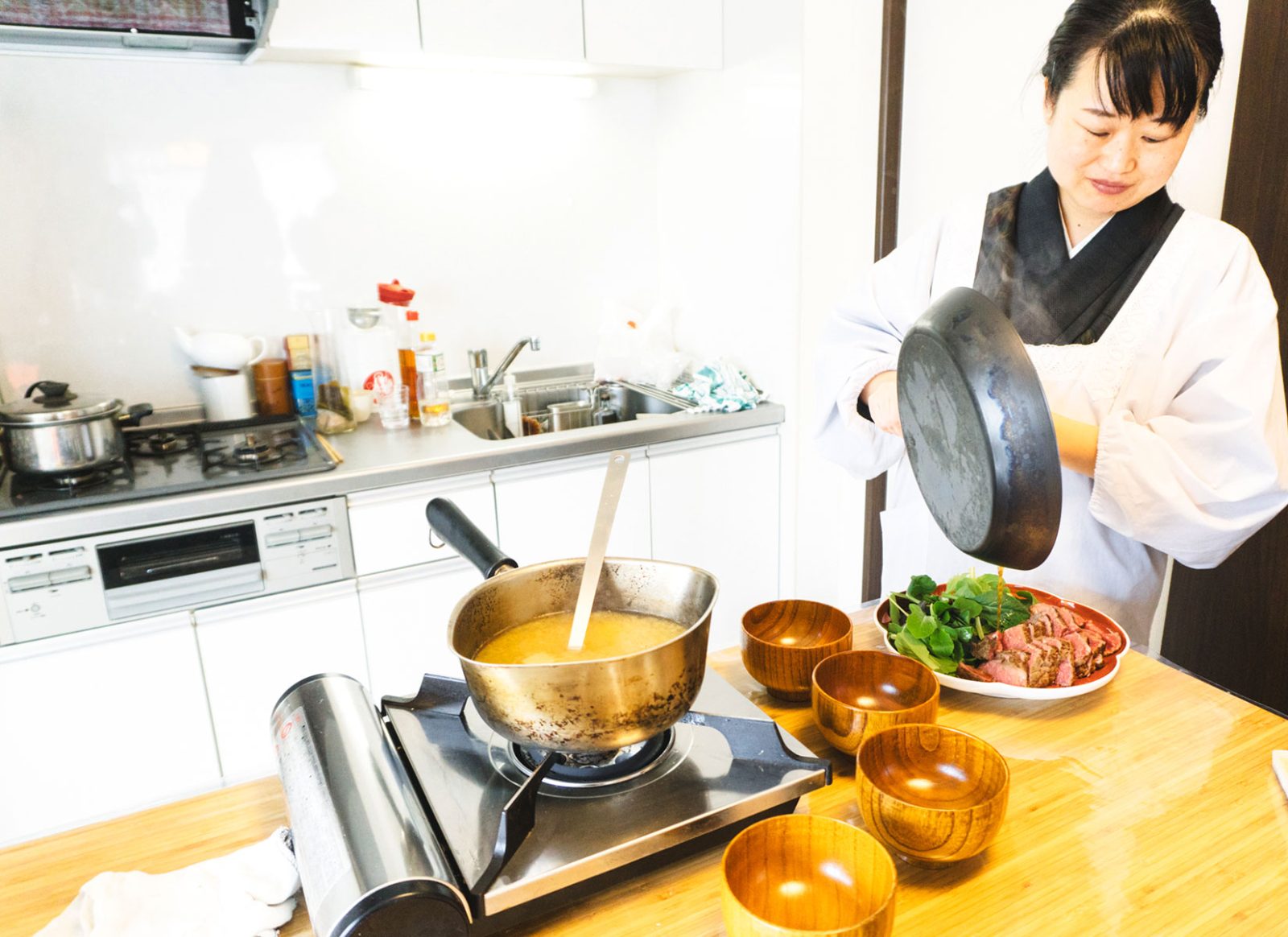
Your instructor buys a wedge of tofu from a vendor who makes it on-site, explains why certain miso pastes work better for soup and others for marinade, and points out the difference between hon-mirin and the sweetened substitutes sold in supermarkets. You carry the ingredients in a cloth bag to a residential kitchen in Namba, a small fourth-floor studio with a single induction burner, a rice cooker, and a wooden cutting board worn smooth by years of use.

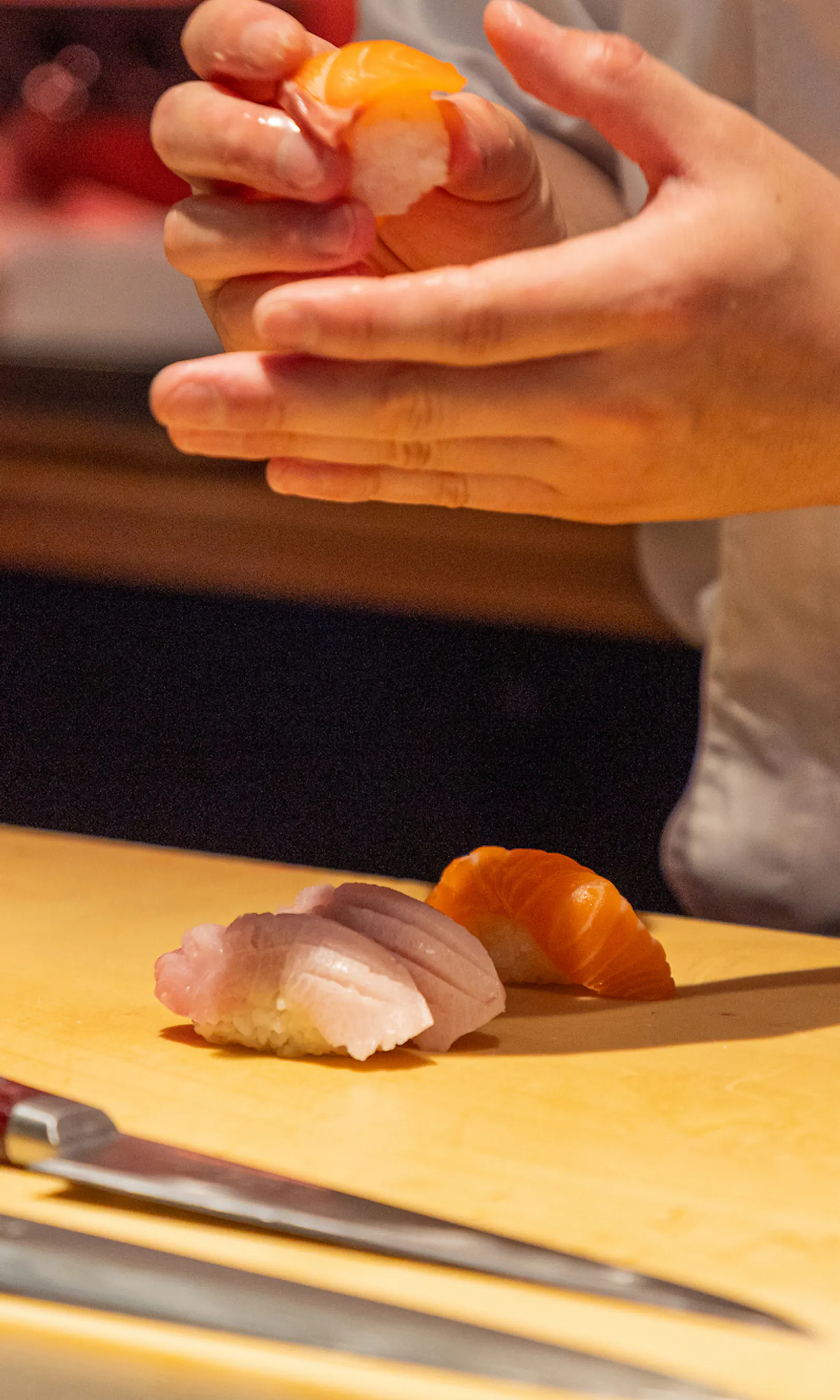
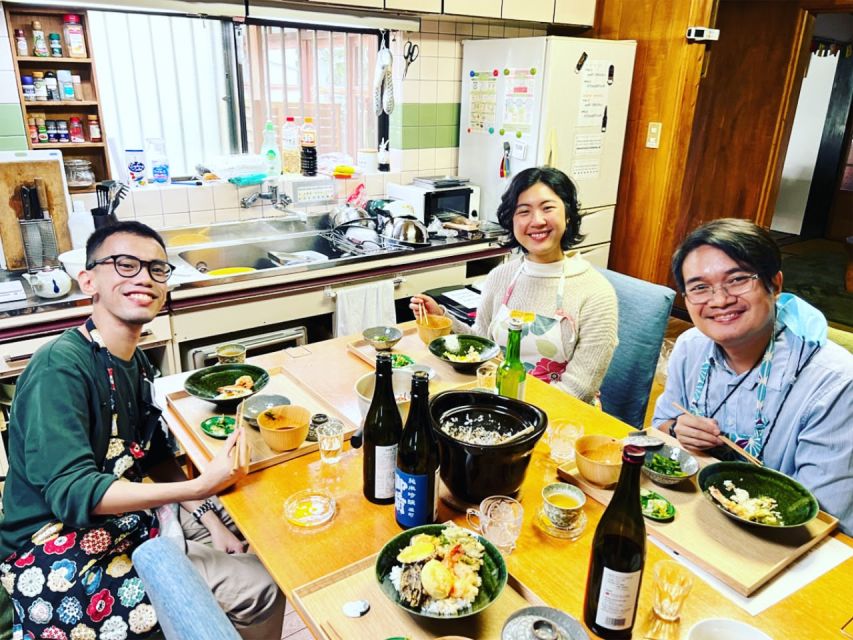
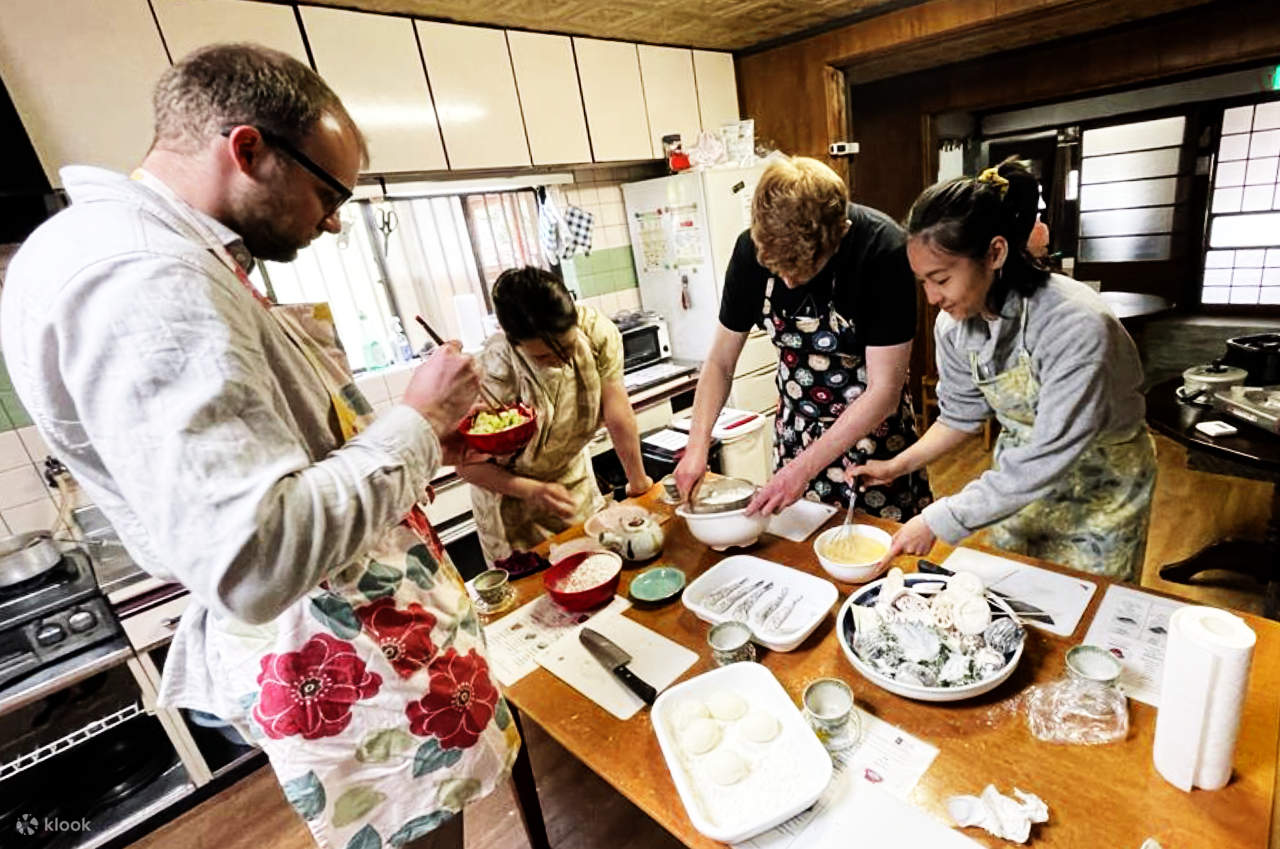
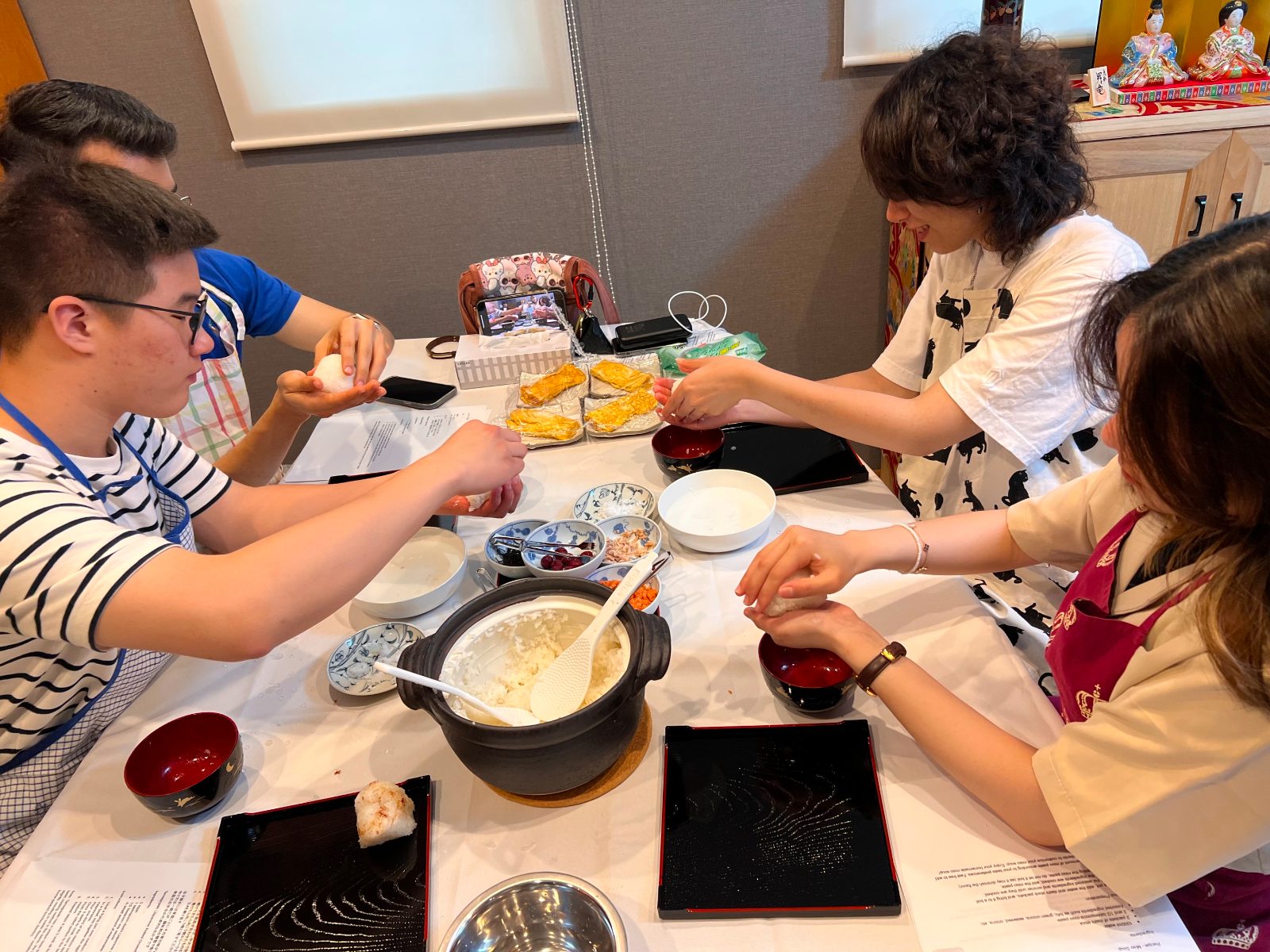
The session begins with dashi. You learn to wipe kombu rather than rinse it, to remove it from the pot just before boiling, to add katsuobushi only after the heat is cut so the broth stays clear. You practice knife work on vegetables, holding the blade at a shallow angle to achieve the thin, even cuts that allow ingredients to cook at the same rate. If the workshop focuses on sushi, you shape rice by hand, learning to apply just enough pressure so the grains hold without compacting. If ramen, you knead dough, rest it, then pull it into noodles of uniform thickness. At the end, you sit across from your instructor and eat what you made, noting where the seasoning landed and where it needs adjustment. You leave with a handwritten recipe card and the understanding that Japanese home cooking rewards repetition more than inspiration.

Private Cooking Class Osaka
Everything You Need to Know

Your complete Private Cooking Class Osaka guide

All the details about your upcoming adventure in one place

Osaka earned its nickname *kuidaore*—eat until you drop—not through ceremony but through an unflinching devotion to flavor built in the kitchens of merchants, street vendors, and home cooks who treated food as both craft and currency.

By the mid-Edo period, the city's position as the nation's rice exchange and its dense network of waterways made it Japan's de facto kitchen, a place where dashi was judged by the millimeter of kombu trim and where a single gyoza fold could distinguish a novice from a master. Unlike Kyoto's kaiseki restraint or Tokyo's omakase formality, Osaka cooking operates in the vernacular register—takoyaki grilled on street corners, okonomiyaki flipped on home griddles, udon pulled thick and soft to match the city's limestone-filtered water.

Today, that utilitarian inheritance shapes the pedagogy inside Dotonbori's teaching kitchens and the residential studios scattered through Tennoji and Fukushima. A private cooking class in Osaka begins not with demonstration but with selection: instructors lead small groups through Kuromon Ichiba or neighborhood shotengai to source daikon still damp from morning harvest, to choose katsuobushi by the thickness of its shave, to learn that the best negi comes in winter and that miso sweetness varies by prefecture. These market detours encode a truth central to Osaka's culinary identity—that technique without ingredient knowledge produces approximation, not food. The two-and-a-half-hour sessions that follow translate that principle into action, with participants knife-cutting their own vegetables, rolling sushi rice to proper density, pulling ramen noodles by hand, and understanding that Japanese home cooking demands neither precision scales nor imported tools, only a disciplined attention to texture, temperature, and timing.

What distinguishes Osaka's cooking workshops from those in other cities is their rejection of the spectacle model. Instructors—many of them home cooks who learned from parents and grandparents rather than culinary institutes—teach the everyday repertoire: miso soup calibrated by season, rice cooked in a donabe, dashimaki tamago folded in a rectangular pan, gyoza crimped in the thirteen-pleat Osaka style. Participants work at shoulder height, not behind glass, and eat communally at the end, their own mistakes and corrections visible in the final dish. The base rate of ¥2,500 reflects this domestic scale; private cooking class Osaka experiences remain accessible precisely because they occur in real kitchens, not staged environments, and because the city's food culture has always valued participation over performance. Walk through Dotonbori at dusk and you will see the same: restaurants with open facades, cooks working in full view, diners leaning over counters to watch batter hit iron. Osaka cooking does not hide its labor. It asks you to join.
Osaka cooking operates in the vernacular register—takoyaki grilled on street corners, okonomiyaki flipped on home griddles, udon pulled thick and soft to match the city's limestone-filtered water.

Dress code

Casual, sensible clothing is recommended for a private cooking class osaka. Aprons are typically provided and must be worn during the session; please remove them when using restroom facilities.

Bags & security

Personal belongings remain the responsibility of the attendee throughout your private cooking class osaka. Secure storage for large bags is not guaranteed, so please travel light.

Photography

Photography is generally permitted during your private cooking class osaka, provided it does not disrupt the instructor or other participants. Professional video recording requires explicit prior permission.

Families & strollers

Families are welcome, though children must be under constant supervision during every private cooking class osaka. Some experiences may have minimum age requirements for handling kitchen knives.

Accessibility

Many kitchen studios in the city are located in older buildings; please verify accessibility for your specific private cooking class osaka location before booking. Staff are usually happy to assist with mobility needs.

Food & drink

All necessary ingredients are provided for your private cooking class osaka, and you will consume the meal you prepare. Please communicate dietary restrictions well in advance.

Not allowed

× Alcohol (if driving) × Pets × Outside professional recording equipment × Sharp objects × Harassing materials × Tobacco products × Flammable items × Offensive attire

What to bring

✓ Comfortable shoes ✓ Hair tie ✓ Refillable water bottle ✓ Personal medication ✓ Booking confirmation ✓ Positive attitude

Opening hours

Mon 10:00–20:00
Tue 10:00–20:00
Wed 10:00–20:00
Thu 10:00–20:00
Fri 10:00–20:00
Sat 10:00–20:00
Sun 10:00–20:00

How to get there

At a glance

Operating Hours

10:00–20:00 daily

Address

Osaka, Japan

Accessibility

Inquire for specific studio layouts

Arrival

10:00–17:00 best window

Storage

Limited availability on-site

Navigation

Confirm specific studio location after booking

Cancellation policy

Full refunds are available for cancellations made within the specified provider window. Please refer to your booking confirmation for specific terms regarding the 2,500 JPY base rate per person.

Plan your time

Planning Your Visit to a Private Cooking Class Osaka

Recommended time

2.5–3 hours

To experience a private cooking class osaka, we recommend arriving within the 10:00–17:00 window to allow for a market visit followed by your hands-on culinary instruction. Most visitors find that booking these private cooking class osaka tours during mid-morning ensures a relaxed pace for preparation and dining. If you are interested in securing private cooking class osaka tickets for a peak date, aim for early arrivals to avoid local rush hours. These home-style sessions provide an intimate look at local ingredients and traditional recipes.

Crowd levels through the day

10:00 Light
12:00 Moderate
14:00 High
16:00 Moderate
The story

The history of Private Cooking Class Osaka

Osaka's tradition of home-style cooking education traces its roots to the early Edo period, when merchant families in the Semba and Dosho-machi districts began codifying techniques for dashi preparation and miso blending as part of household apprenticeships. By the late 18th century, okiya and merchant houses employed specialist cooks who trained younger family members in seasonal kaiseki principles, preserving methods that had evolved in Kyoto temple kitchens decades earlier. The practice remained confined to elite households until the Meiji Restoration opened culinary knowledge to a broader public. Post-war reconstruction transformed Osaka's food culture. In 1952, the Osaka Municipal Culinary Research Institute established neighborhood workshops teaching rationed-ingredient cooking, adapting classical techniques to postwar scarcity. These classes emphasized resourcefulness—using kombu twice, stretching protein with tofu, fermenting vegetables to extend shelf life. By the 1970s, as prosperity returned, private cooking class Osaka programs shifted focus to heritage preservation, with former restaurant chefs offering small-group instruction in Namba and Tennoji apartments. The 1980s saw the first English-language sessions, initially serving expatriate spouses before evolving into cultural-exchange experiences. The 2008 global recognition of washoku as intangible cultural heritage accelerated international demand. Osaka's cooking schools formalized curricula around core techniques: katsuobushi shaving, rice washing ratios, and knife skills for daikon and negi. By 2015, private cooking class Osaka tours integrated market visits to Kuromon Ichiba, where instructors explained seasonal ingredient selection—spring takenoko, summer hamo, autumn matsutake. Today's programs operate from residential kitchens in Tennoji, Namba, and Umeda, maintaining the intimate scale of Edo-era apprenticeships while incorporating modern food-safety standards and dietary accommodations. Sessions emphasize tactile learning: hand-kneading udon dough, adjusting dashi salinity by taste, achieving the proper texture in tamagoyaki folds.

1750s–1800s

Merchant families in Semba district formalize home cooking apprenticeships, codifying dashi and miso techniques.

1868–1912

Meiji Restoration opens culinary education beyond elite households, spreading Kyoto temple kitchen methods.

1952

Osaka Municipal Culinary Research Institute launches neighborhood workshops teaching rationed-ingredient cooking.

1970s–1980s

Former restaurant chefs begin offering small-group private cooking class osaka sessions in residential apartments.

2008

UNESCO recognizes washoku as intangible cultural heritage, spurring international demand for hands-on instruction.

2015–present

Programs integrate Kuromon Ichiba market tours, teaching seasonal ingredient selection and knife skills in home kitchens.

Photo spots

Best photo spots at Private Cooking Class Osaka

Kitchen Counter Station

Kitchen Counter Station

Best light · Midday

Position your camera at a low angle to capture the precise knife work and fresh seasonal ingredients on the cutting board. This spot offers an intimate view of a private cooking class osaka, showcasing the chef's hands during preparation.

Market Produce Display

Market Produce Display

Best light · Morning

Frame the vibrant selection of local vegetables and miso ingredients gathered during the market tour before heading to the kitchen. Stand back to include the colorful variety of textures that define these private cooking class osaka tours.

Apron and Utensil Setup

Apron and Utensil Setup

Best light · 10:00–12:00

Capture the minimalist aesthetic of the organized workspace featuring traditional bento tools and ceramics. Focus on the sharp details of the steel blades as they rest on the wooden surface for these private cooking class osaka tickets.

Finished Culinary Presentation

Finished Culinary Presentation

Best light · 13:00–15:00

Use a top-down flat lay perspective to highlight the plated home-style meal against the rustic table setting. This is the ideal angle for documenting the final results of your private cooking class osaka tour.

Gallery

Moments from Private Cooking Class Osaka

With kids

Visiting Private Cooking Class Osaka with kids

Engaging in a private cooking class osaka offers families a hands-on way to explore local culinary traditions in a comfortable, intimate setting. This Japanese Cooking Class provides a welcoming atmosphere where children can learn the foundations of home-style meal preparation.

Strollers

The venue is located in Osaka, Japan, but space is limited, so please consider bringing a compact stroller or carrier for easier navigation through the market areas.

Best ages

Children aged 6 and up generally find the experience most rewarding, as they can participate fully in chopping, mixing, and assembling ingredients.

Facilities

Please note that this is a home-style environment; inquire directly regarding specific baby-change facilities before booking your private cooking class osaka tour.

Pacing

The experience lasts 2.5–3 hours, so we recommend scheduling your session within the 10:00–17:00 arrival window to keep kids energized.

Food with kids

Participants enjoy the meals they prepare, which often include kid-friendly staples like rice balls or seasonal vegetable dishes.

Booking

Ensure you secure your private cooking class osaka tickets through the official site at https://japanesecooking-wa.com to confirm your spot.

Food & drink

Dining Near Your Private Cooking Class Osaka

Visitors participating in a private cooking class osaka will find themselves perfectly positioned to explore the city's renowned culinary landscape. After completing your hands-on session, several vibrant districts offer authentic tastes of local heritage.

Kuromon Ichiba Market

¥500–2,000

Street food

A historic market providing fresh sashimi, grilled scallops, and seasonal delicacies ideal for those seeking private cooking class osaka tours.

Takoyaki Wanaka

¥600–1,200

Street food

Famous for crispy-on-the-outside octopus balls that showcase classic Kansai flavors, perfect for a quick snack after your private cooking class osaka tour.

Dotonbori Gyoza Stadium

¥1,500–3,000

Bistro — 10 min walk

A specialized hub featuring regional variations of pan-fried dumplings, essential for travelers holding private cooking class osaka tickets.

Mizuno

¥1,200–2,500

Okonomiyaki restaurant — 8 min walk

A long-standing venue dedicated to Osaka-style savory pancakes, offering a deep dive into local comfort food culture.

FAQ

Private Cooking Class Osaka — frequently asked questions

Everything you need to know for your journey

Ready for Adventure?

Join thousands of happy travelers who have discovered this incredible experience

Book Your Experience Now