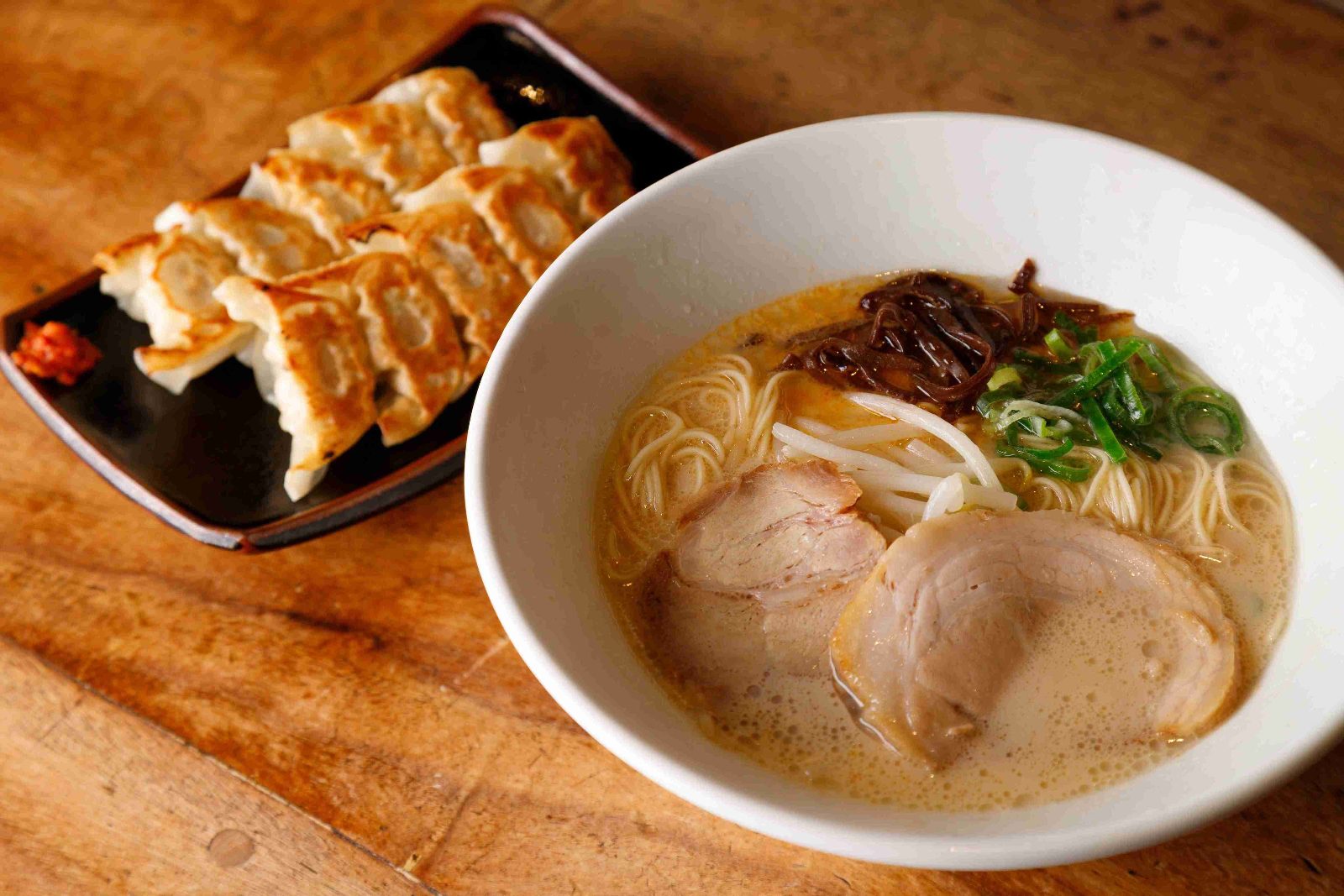
3 hr
Dotonbori Ramen & Gyoza Cooking Class
- Entry ticket
- Mobile voucher
- Valid same day
- Free cancellation
Master noodle-pulling and dumpling-folding, savor what you've crafted
Compare fares, pick the fit — all bookings are mobile-voucher and eligible for free cancellation where shown.
3 hr
2 hr
2 hr 30 min
| Experience | Duration | Rating | Guide | Free cancel. | Price | |
|---|---|---|---|---|---|---|
|
Standard Entry
Most popular
Dotonbori Ramen & Gyoza Cooking Class
|
3 hr | ★ 5.0 | — | ✓ | $70 | Book → |
|
Standard Entry
Ramen & Gyoza Cooking Workshop in Namba
|
2 hr | ★ 4.9 | — | ✓ | €61 | Book → |
|
Standard Entry
Hands-On Ramen & Gyoza Workshop in Osaka
|
2 hr 30 min | ★ 4.9 | ✓ | ✓ | $100 | Book → |
Worth it for hands-on culinary learners
At 12,000 JPY per person, the osaka ramen and gyoza cooking class in dotonbori delivers solid value for travelers seeking practical culinary skills rather than passive dining. The fee covers all ingredients, professional instruction, and the satisfaction of preparing an authentic Japanese meal from scratch. You'll master knife work, dough techniques, and broth assembly under the guidance of experienced chefs in a professional kitchen setting. The hands-on ramen and gyoza workshop format ensures you leave with replicable techniques, not just photos. For culinary enthusiasts or anyone planning to recreate Japanese dishes at home, the investment pays off through transferable skills and ingredient knowledge. Casual diners content with restaurant meals may find better value elsewhere, but those who learn best by doing will appreciate the structured, immersive approach. The class balances instruction with participation, ensuring you understand each step rather than simply following commands.
Bottom line: The osaka ramen and gyoza cooking class in dotonbori tours justify the cost for learners who value skill acquisition over passive consumption.
They serve different goals; visitors seeking a deep-dive culinary workshop prefer the osaka ramen and gyoza cooking class in dotonbori, while those wanting a quick, interactive souvenir experience opt for the Cup Noodles Museum.
|
Top pick Cooking Class |
Cup Noodles Museum | |
|---|---|---|
| Focus | Hands-on scratch cooking | Customizing instant ramen |
| Duration | 3 hours | 1-2 hours |
| Skill level | Intermediate technique | Beginner/Casual |
| Inclusions | Full meal included | Take-home noodle cup |
| Customization | High (soups and dough) | High (toppings and broth) |
| Location | Kitahorie (Dotonbori area) | Ikeda (Osaka suburb) |
| Price | 12,000 JPY | Entry free + small fees |
| See tickets & prices |
Verdict: If you want to master traditional noodle techniques, choose the osaka ramen and gyoza cooking class in dotonbori for an authentic kitchen environment, whereas the museum is ideal for a relaxed, family-oriented outing.
Hand-picked experiences loved by thousands of travelers
1 hour 40 minutes
Free Cancellation
Craft traditional Japanese sushi in Osaka's vibrant food district with expert English-speaking guides
3 hours
Free Cancellation
Craft authentic Japanese ramen and dumplings without gluten in a traditional home kitchen
1 hour 30 minutes
Free Cancellation
Craft fresh noodles and compare tonkotsu, shoyu, and miso ramen in a hands-on 90-minute session in Osaka's neon heart.
2.5 hours
Free Cancellation
Learn to craft authentic Japanese ramen and gyoza from scratch in a hands-on culinary workshop
3 hours
Free Cancellation
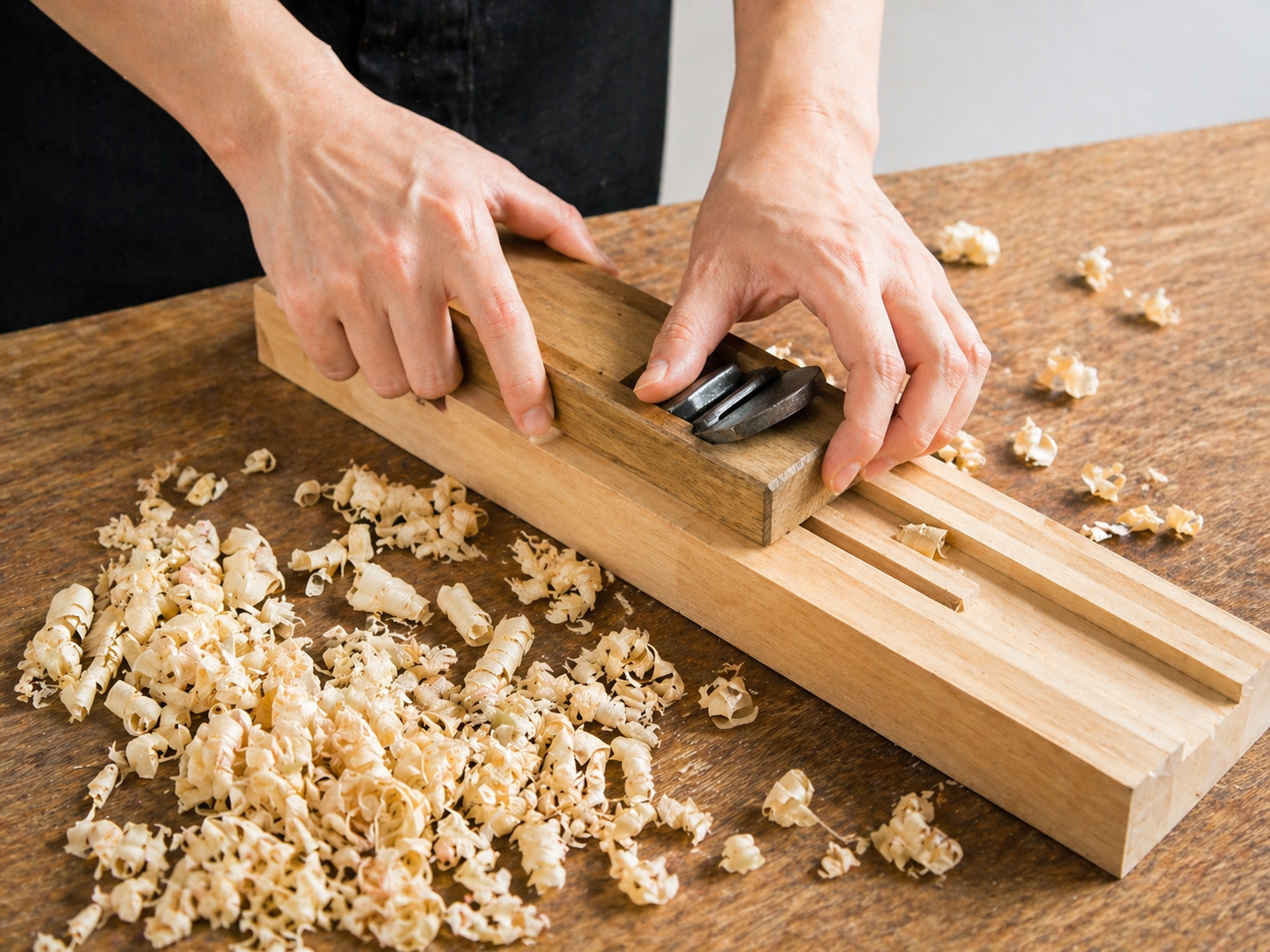
Hand-craft traditional chopsticks and authentic ramen noodles in an intimate 3-hour culinary workshop
1 hour 30 minutes
Free Cancellation
Cook authentic Japanese noodles and dumplings alongside a pro chef, then feast with bottomless drinks.
1 hour
Free Cancellation
Design and build your own wooden chopsticks using authentic Japanese techniques near Osaka Castle
1 hour
Free Cancellation
Design and polish your own wooden chopsticks in a hands-on cultural class near Dotonbori
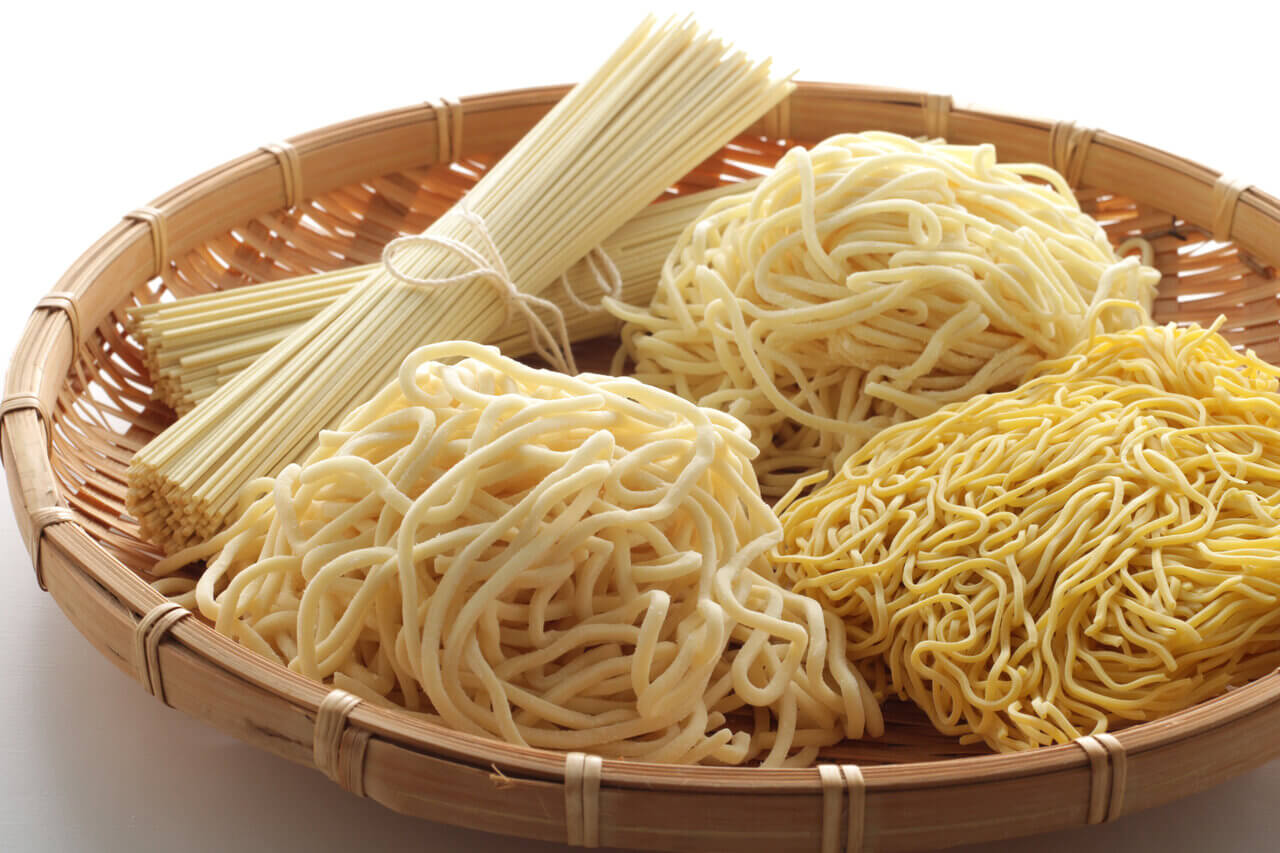
Master the technique of hand-kneading wheat dough for authentic ramen noodles.
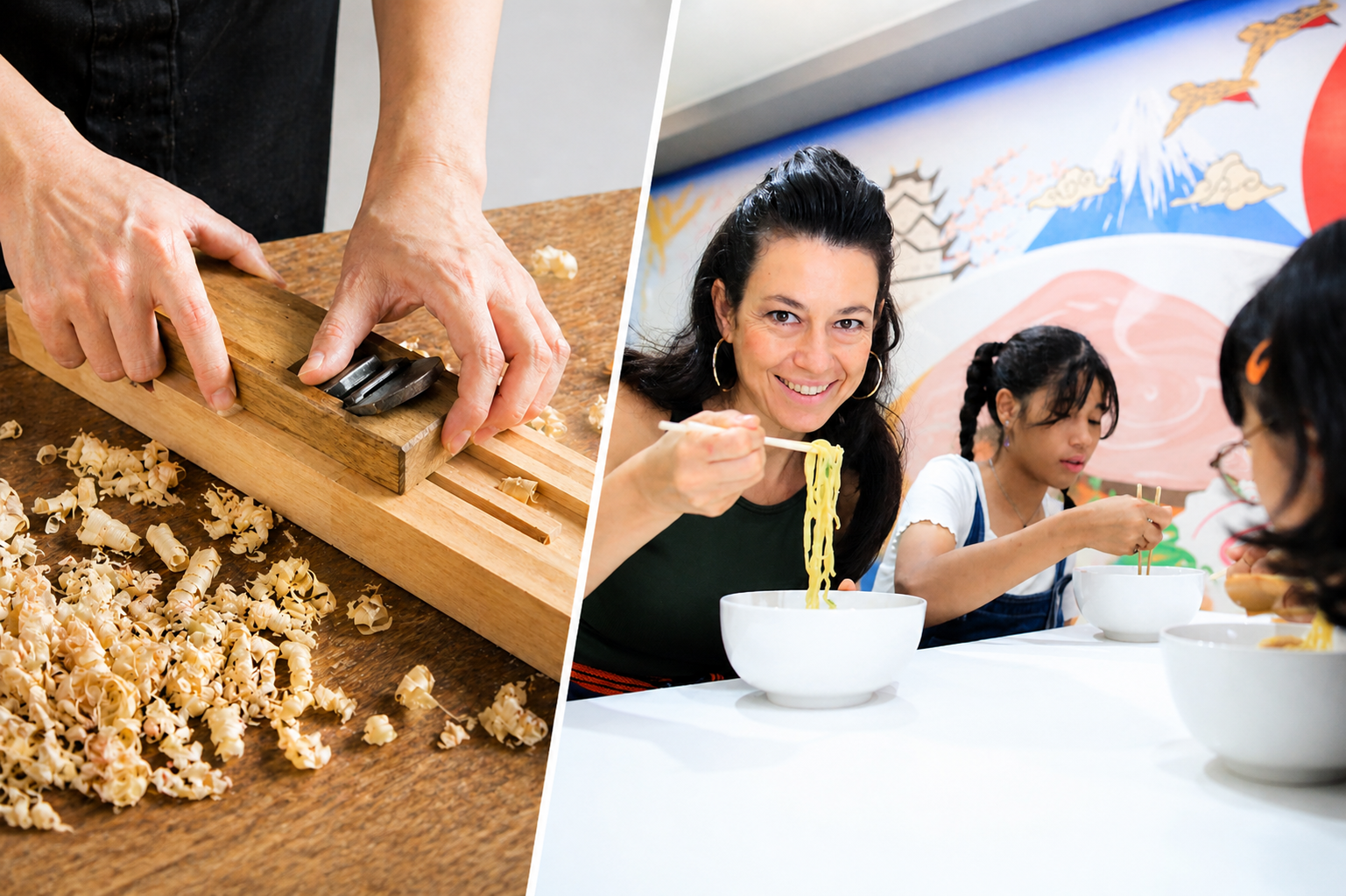
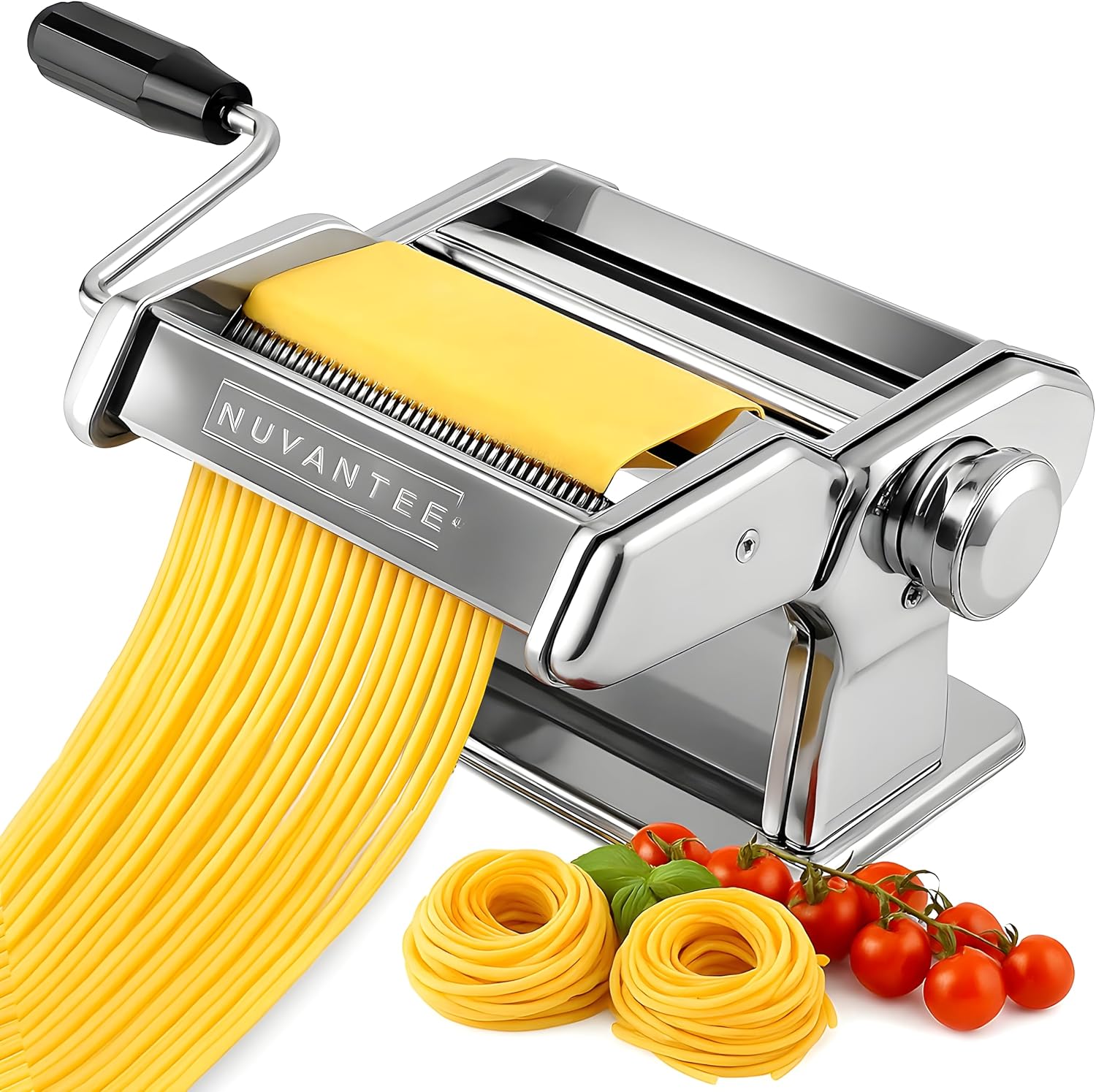
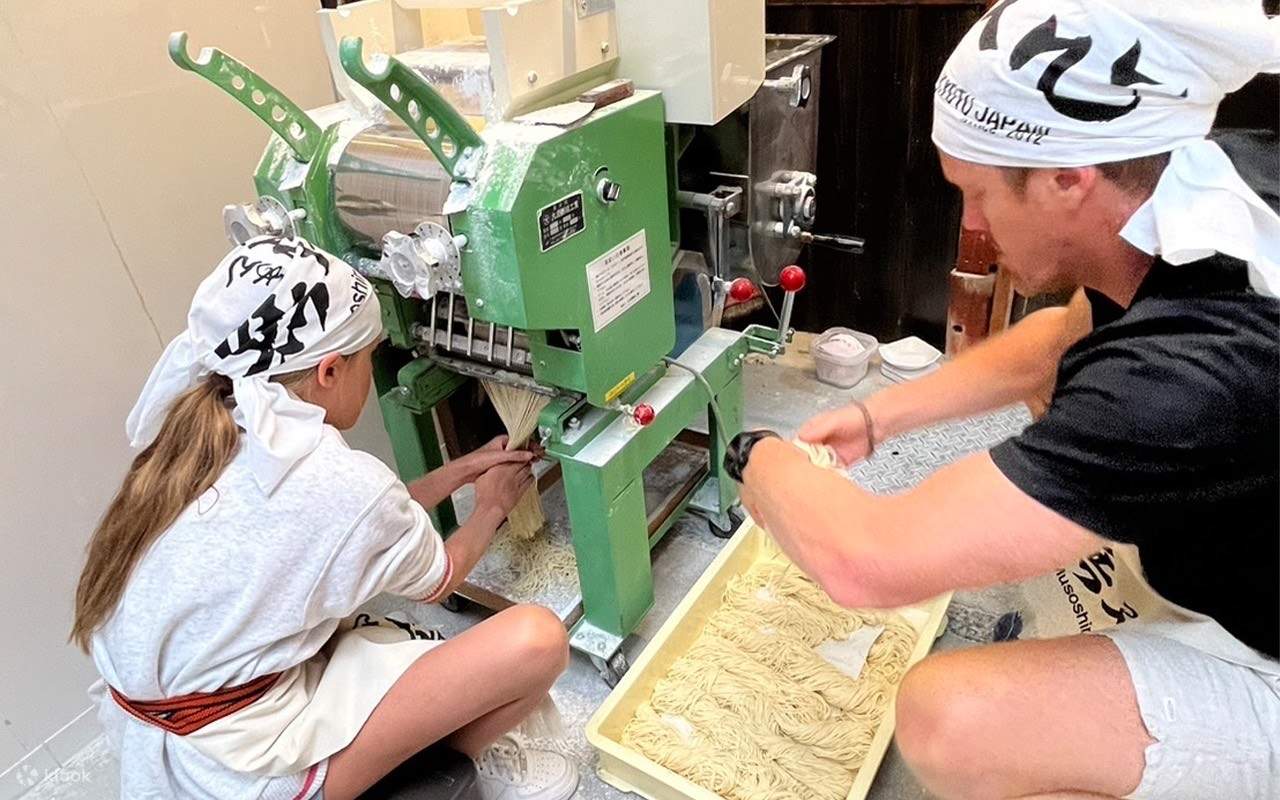
Use professional-grade equipment to slice noodles to the perfect thickness.
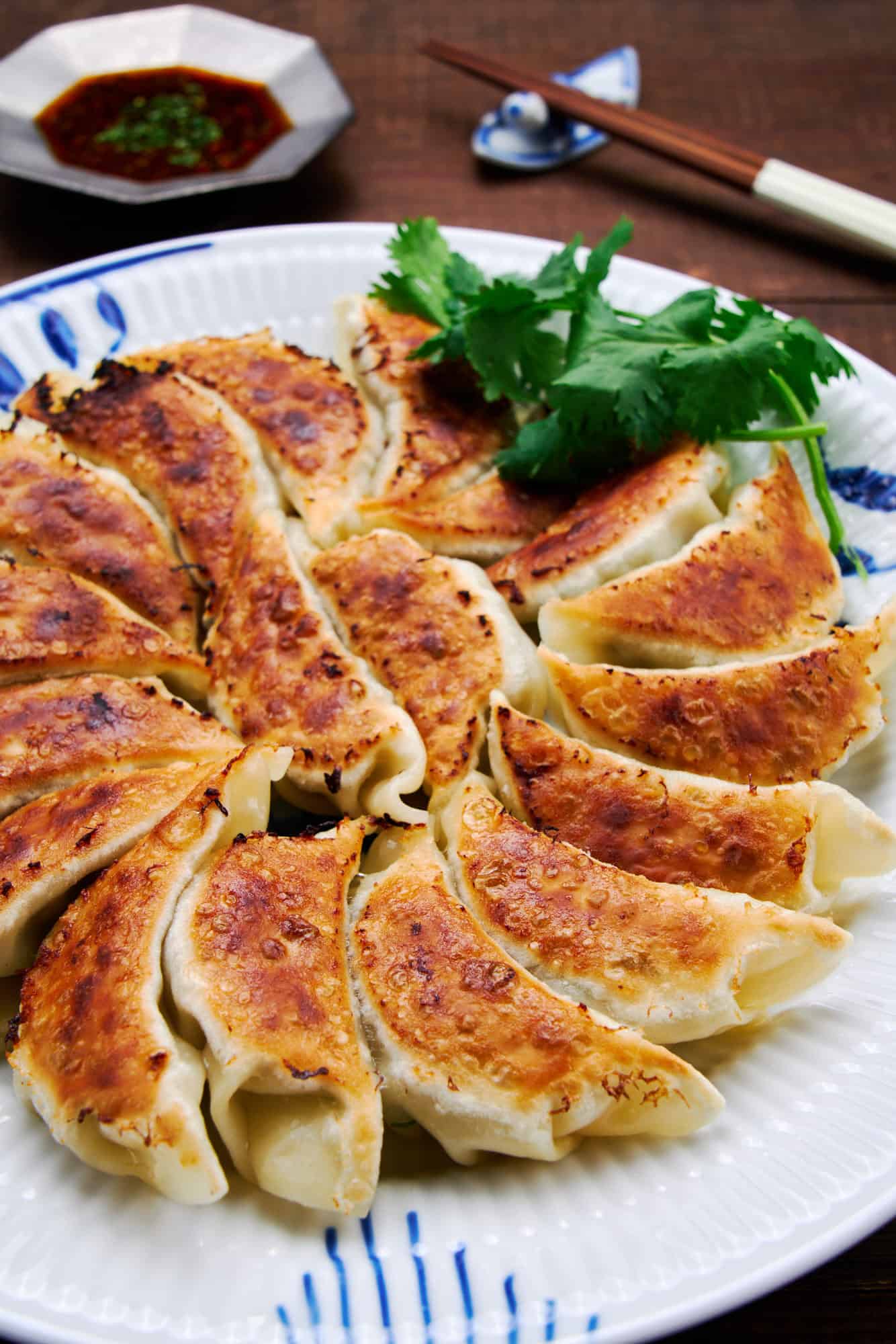
Learn to fold round pork and rectangular vegetable dumplings from scratch.
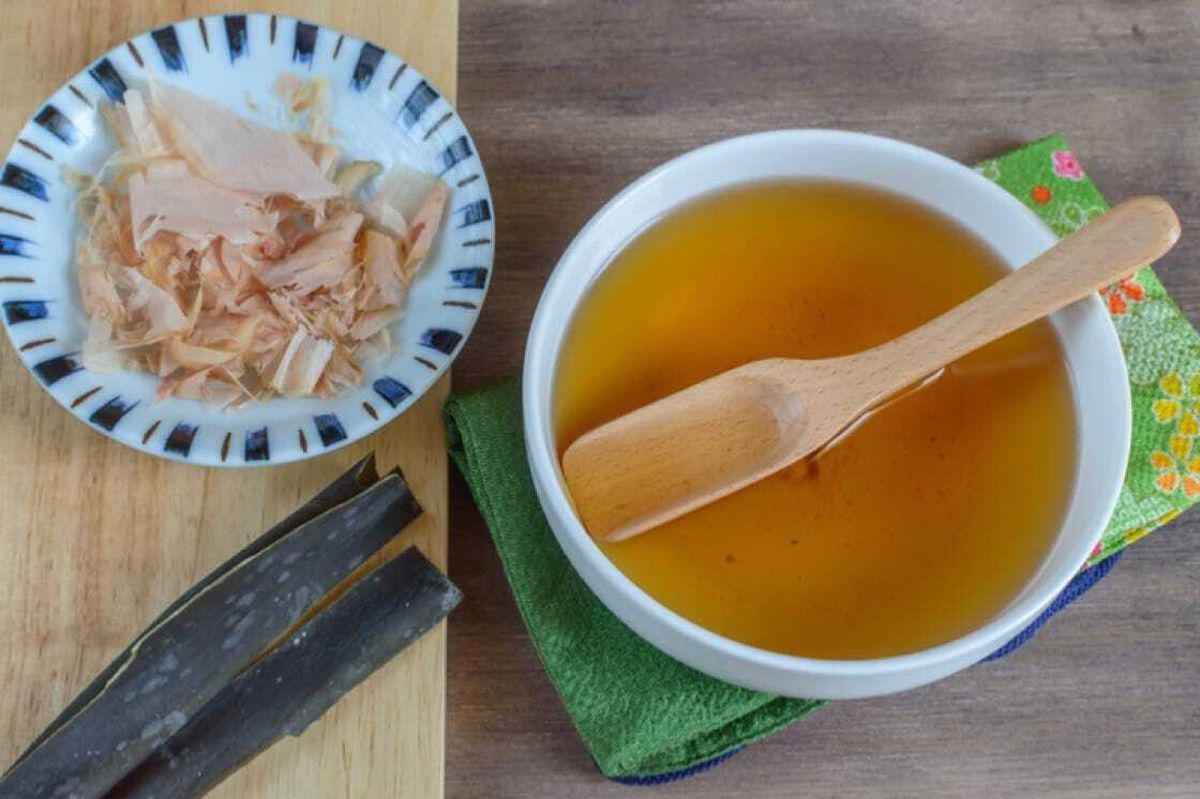
Prepare a traditional chicken and dried sardine broth for your ramen base.
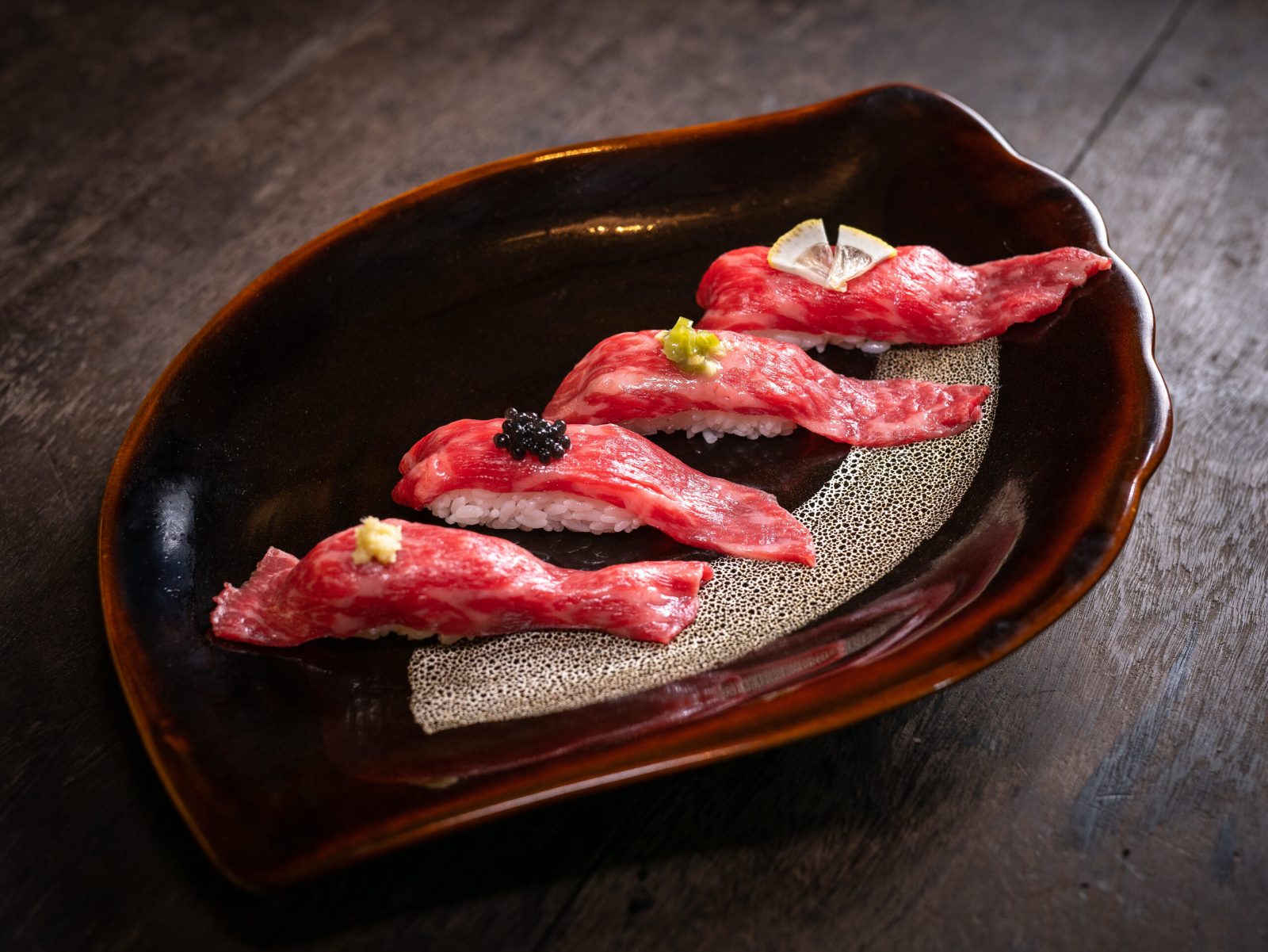
Create optional Wagyu beef pressed sushi using traditional Kansai techniques.
You arrive at the sixth-floor studio in Kitahorie, a ten-minute walk west of Dotonbori's main canal. The instructor greets you in a white apron and gestures toward a row of marble counters, each station equipped with a bamboo rolling pin, a metal scraper, and a small bowl of wheat flour.
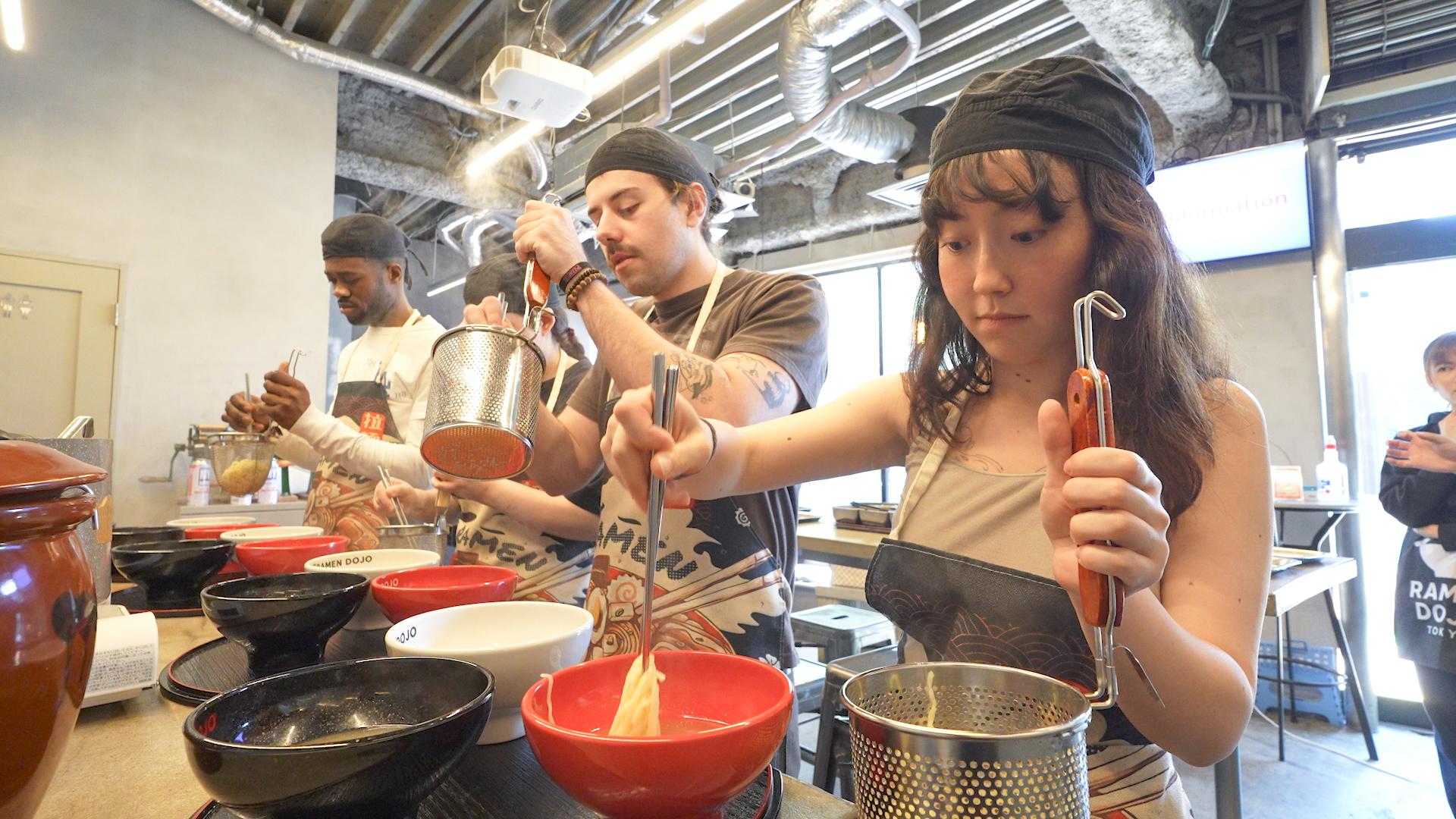
You begin with the ramen dough: alkaline water mixed into flour, kneaded for eight minutes until it forms a smooth, elastic mass. The instructor shows you ashi-fumi — you wrap the dough in plastic, place it on the floor, and step on it repeatedly to develop gluten. The rhythmic pressure feels strange at first, then meditative.
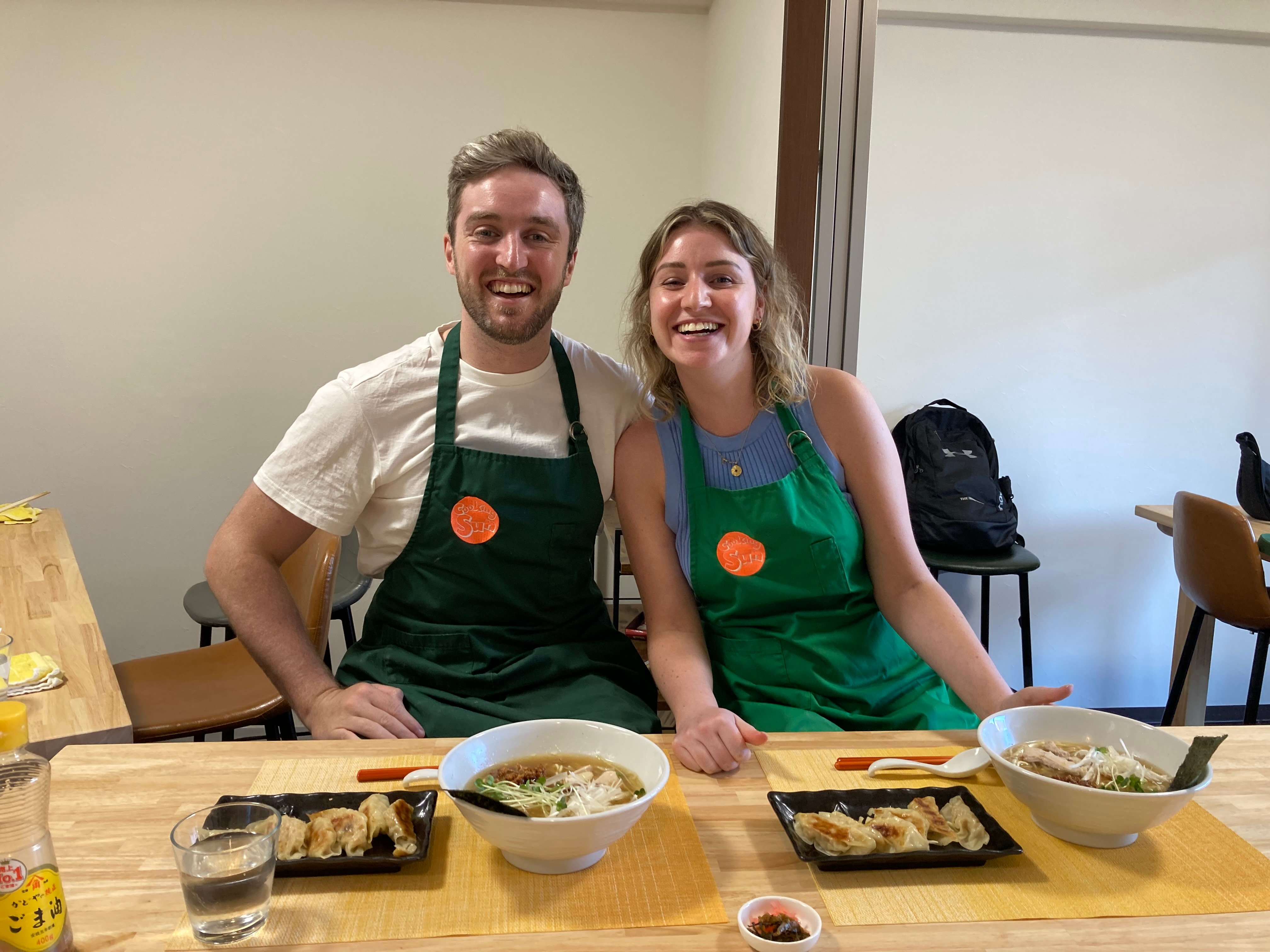
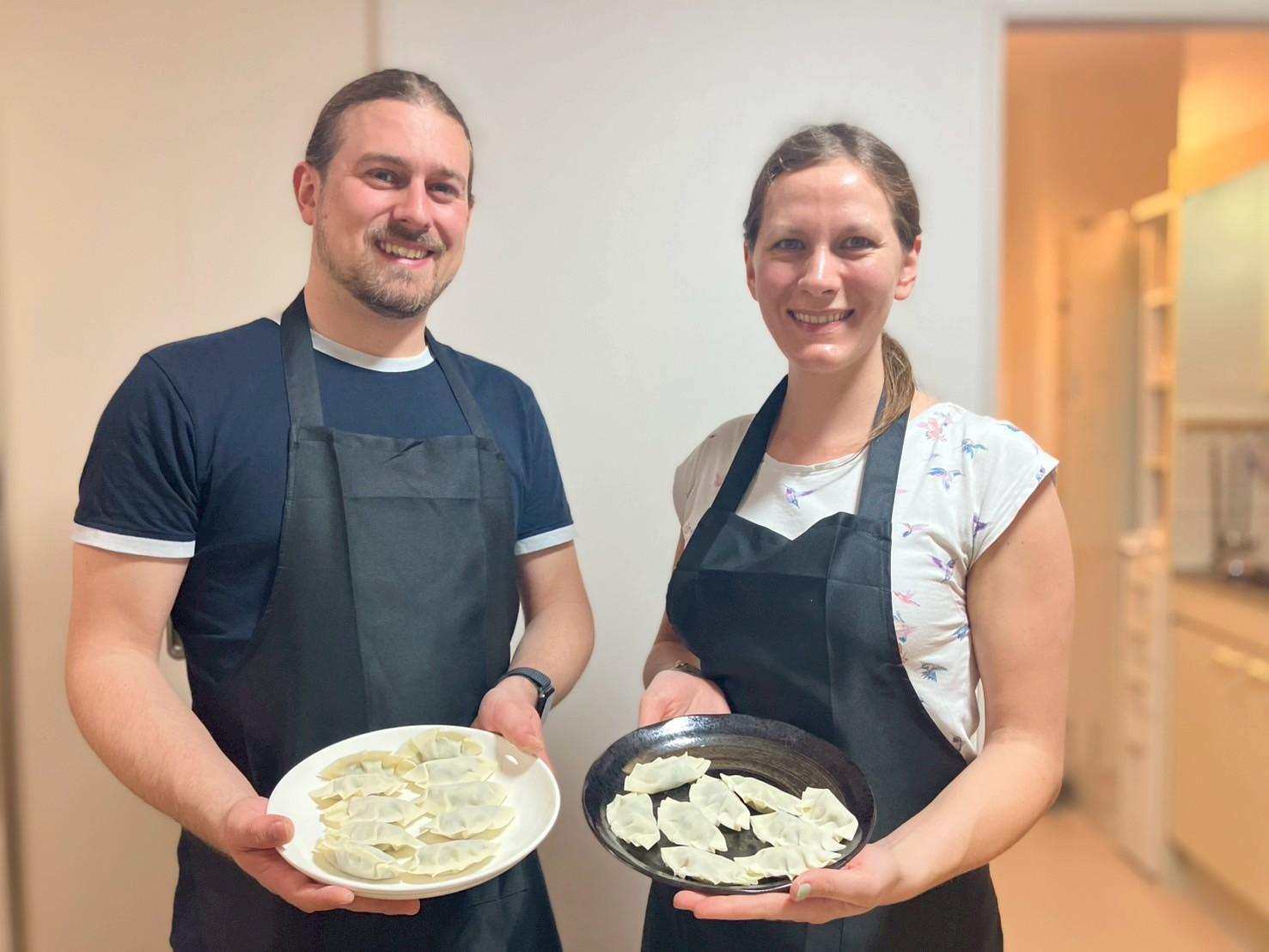
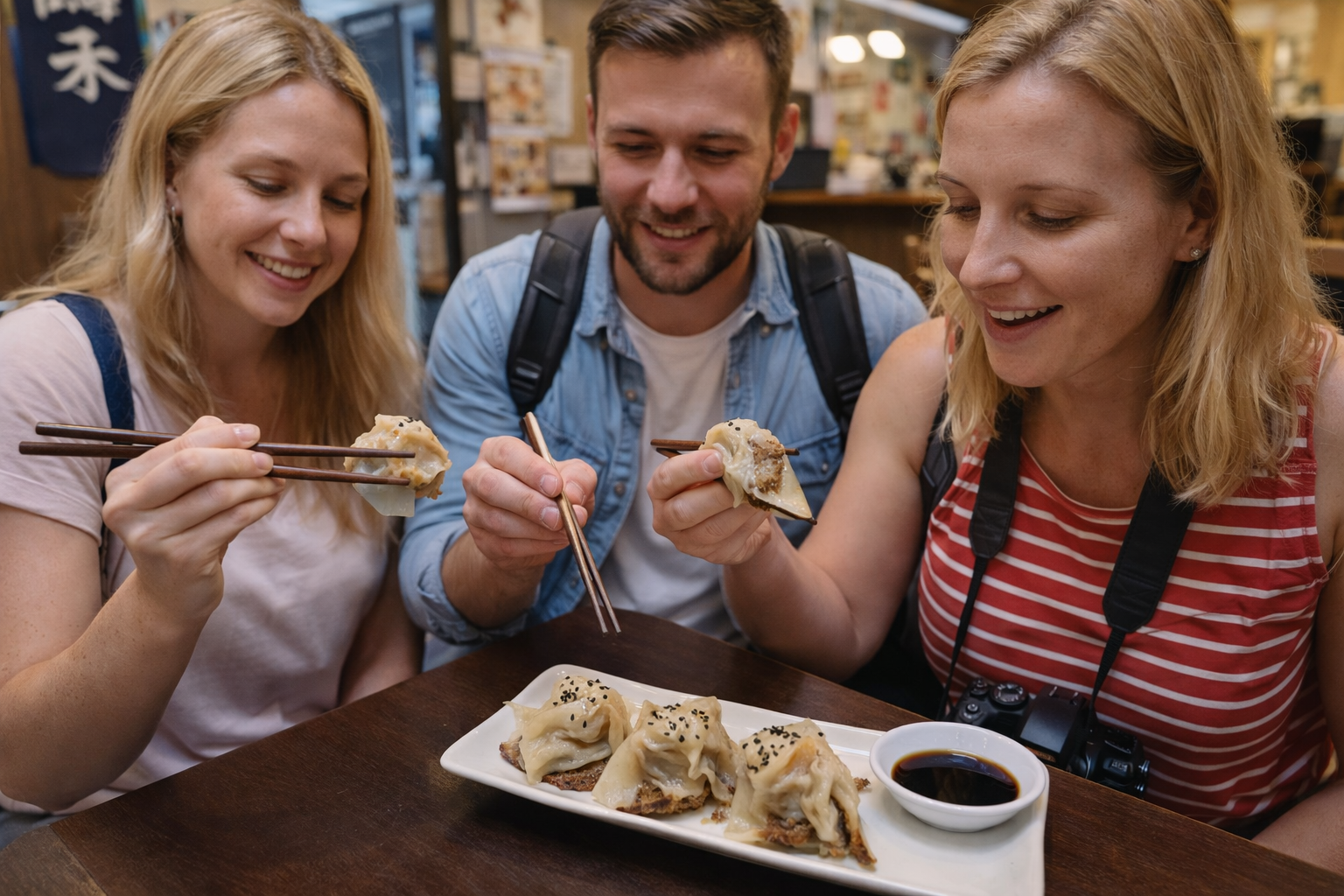
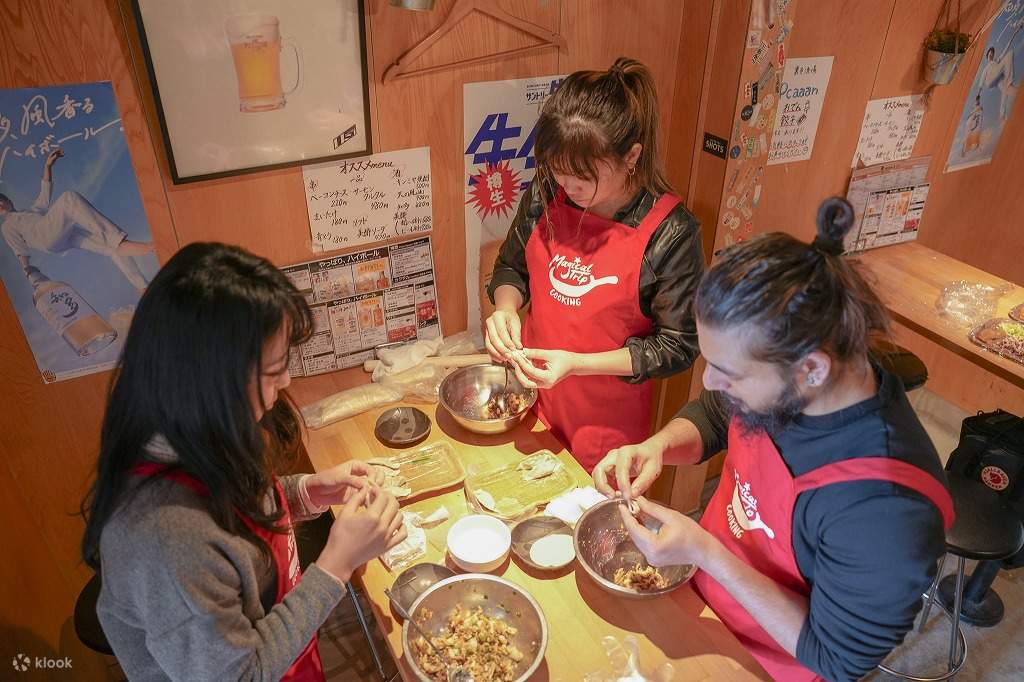
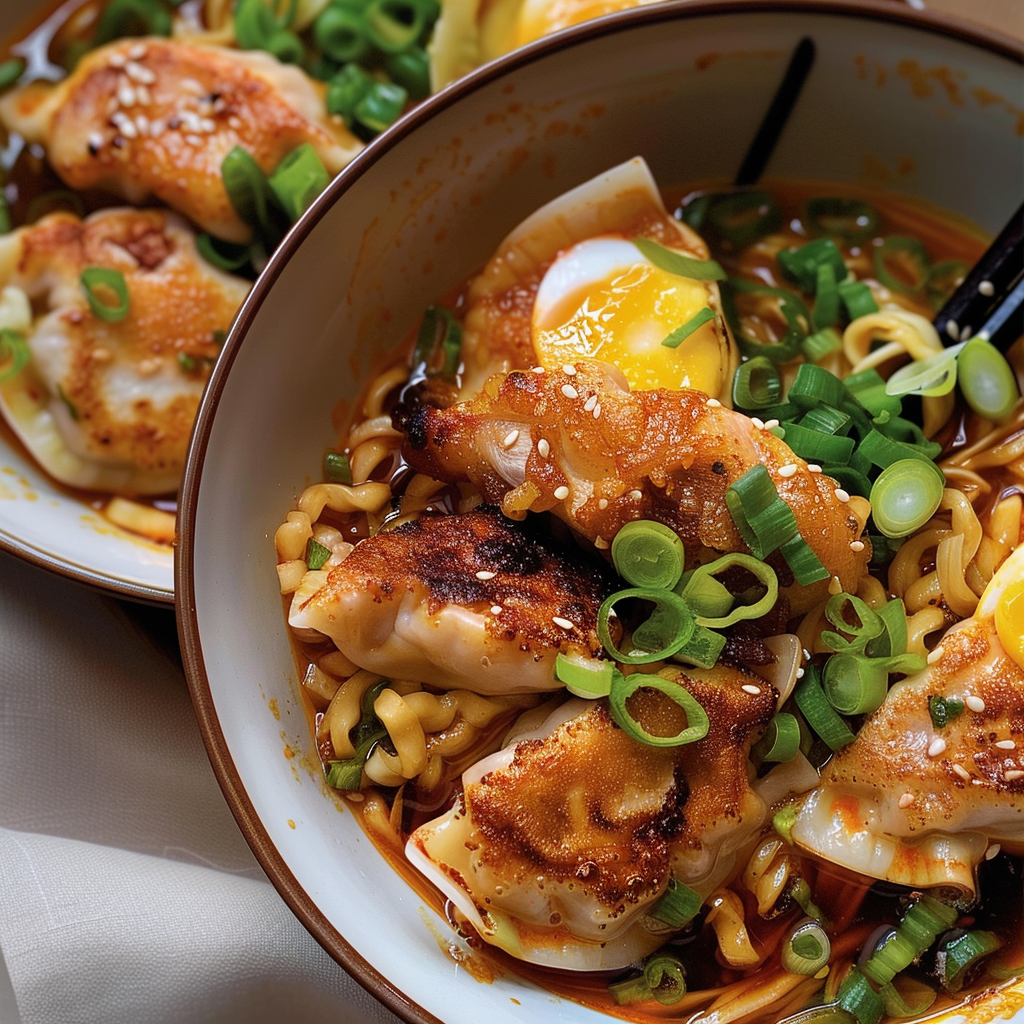
Next comes the gyoza. You spoon pork-and-cabbage filling onto thin wrappers, then attempt the pleating technique the instructor demonstrated. Your first few dumplings are lopsided, the folds uneven, but by the tenth you find a rhythm. The chef nods approval and moves you to the stovetop, where you lay the gyoza flat in a cast-iron pan, add a splash of water, and cover them to steam. When the water evaporates, the bottoms crisp into a golden lattice. You plate them beside your bowl of ramen — noodles you stretched yourself, floating in a broth you seasoned to taste. The gyoza skin shatters under your teeth. The ramen noodles have the precise chew you aimed for. You eat slowly, tasting the hours of work in each bite.
All the details about your upcoming adventure in one place
Ramen arrived in Osaka from China in the early twentieth century, but the city's cooks transformed it into something distinctly local.
Tonkotsu broth simmered for sixteen hours, alkaline noodles stretched by hand, tare seasoning balanced to the gram — these techniques were refined in the narrow kitchens of Dotonbori's street stalls, where chefs worked under neon and steam. Gyoza followed a parallel path: Chinese jiaozi reimagined with thinner skins, crisper pan-frying, and a garlicky punch that matched Osaka's bold palate. By the 1950s, both dishes had become staples of the city's yatai culture, fueling workers and night owls alike.
Today, an Osaka ramen and gyoza cooking class in Dotonbori pulls back the curtain on this culinary lineage. The neighborhood remains Osaka's theater district and its most famous food corridor, where the Glico Running Man billboard overlooks a canal lined with takoyaki stands and izakaya. Cooking schools occupy upper floors above the neon sprawl, their windows fogged with steam from stockpots and griddles. Students learn to knead wheat flour into elastic dough, then stretch it into noodles using a bamboo pole technique called ashi-fumi. The gyoza segment focuses on pleating — eighteen folds per dumpling is the traditional count, though fifteen is acceptable for beginners. Instructors demonstrate the flick of the wrist that seals each wrapper, the angle of the pan that produces a golden lattice crust.
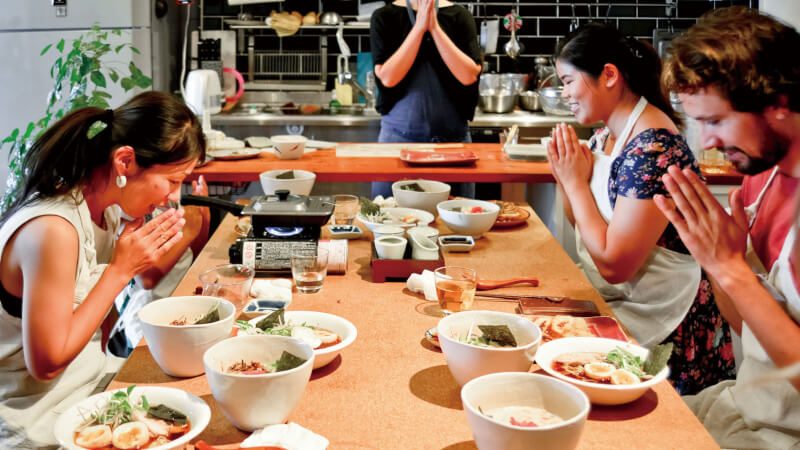
The pedagogical approach is hands-on and forgiving. Mistakes are expected: torn wrappers, uneven noodles, broth that lacks depth. Chefs circulate with corrections, adjusting a student's knife angle or adding a pinch of MSG to a flat tare. The Japanese term for this iterative process is kaizen — continuous improvement through small adjustments. Students taste their own broths, compare notes, adjust seasoning. The final meal is eaten communally at a long wooden table, bowls of ramen paired with plates of gyoza still crackling from the pan. The setting is informal, the instruction rigorous. Participants leave with printed recipes, calloused palms, and a sharper understanding of why Osaka's noodle shops command lines that stretch around corners.
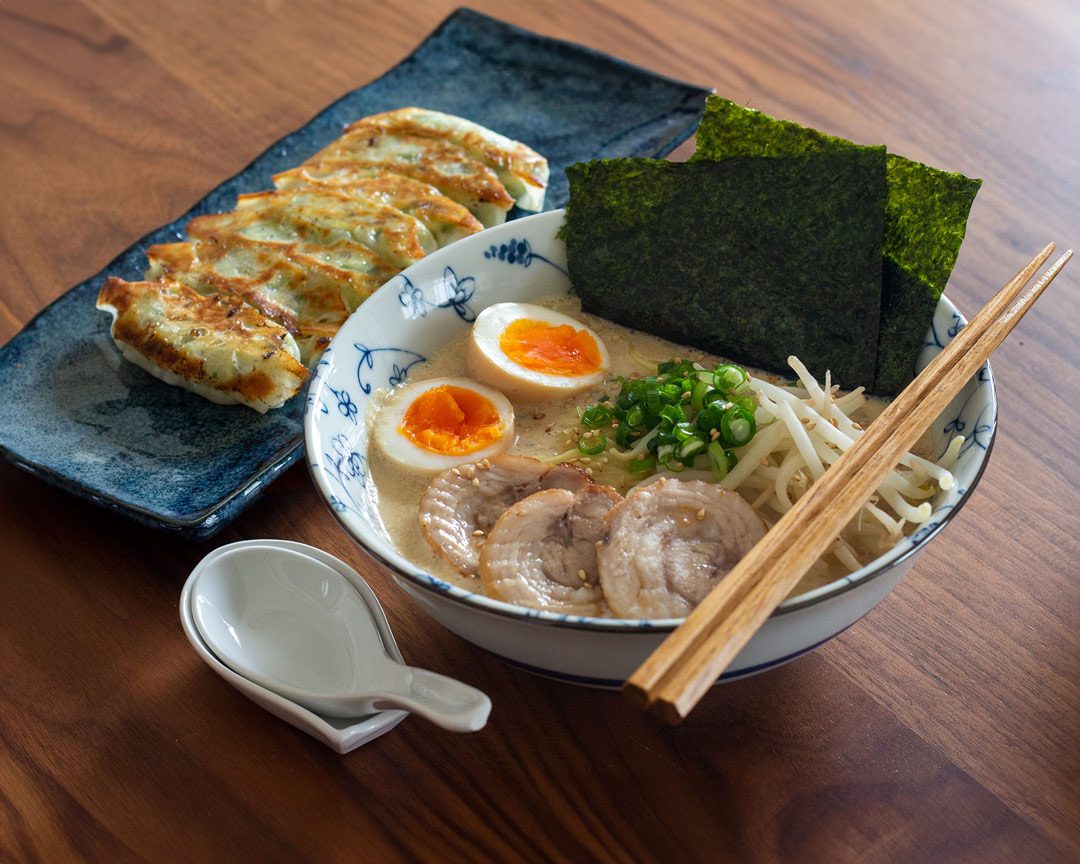
Eighteen folds per dumpling is the traditional count, though fifteen is acceptable for beginners.
Casual comfortable attire is recommended as you will be kneading dough and cooking. Attendees often wear the provided traditional-style kimono-apron during the osaka ramen and gyoza cooking class in dotonbori.
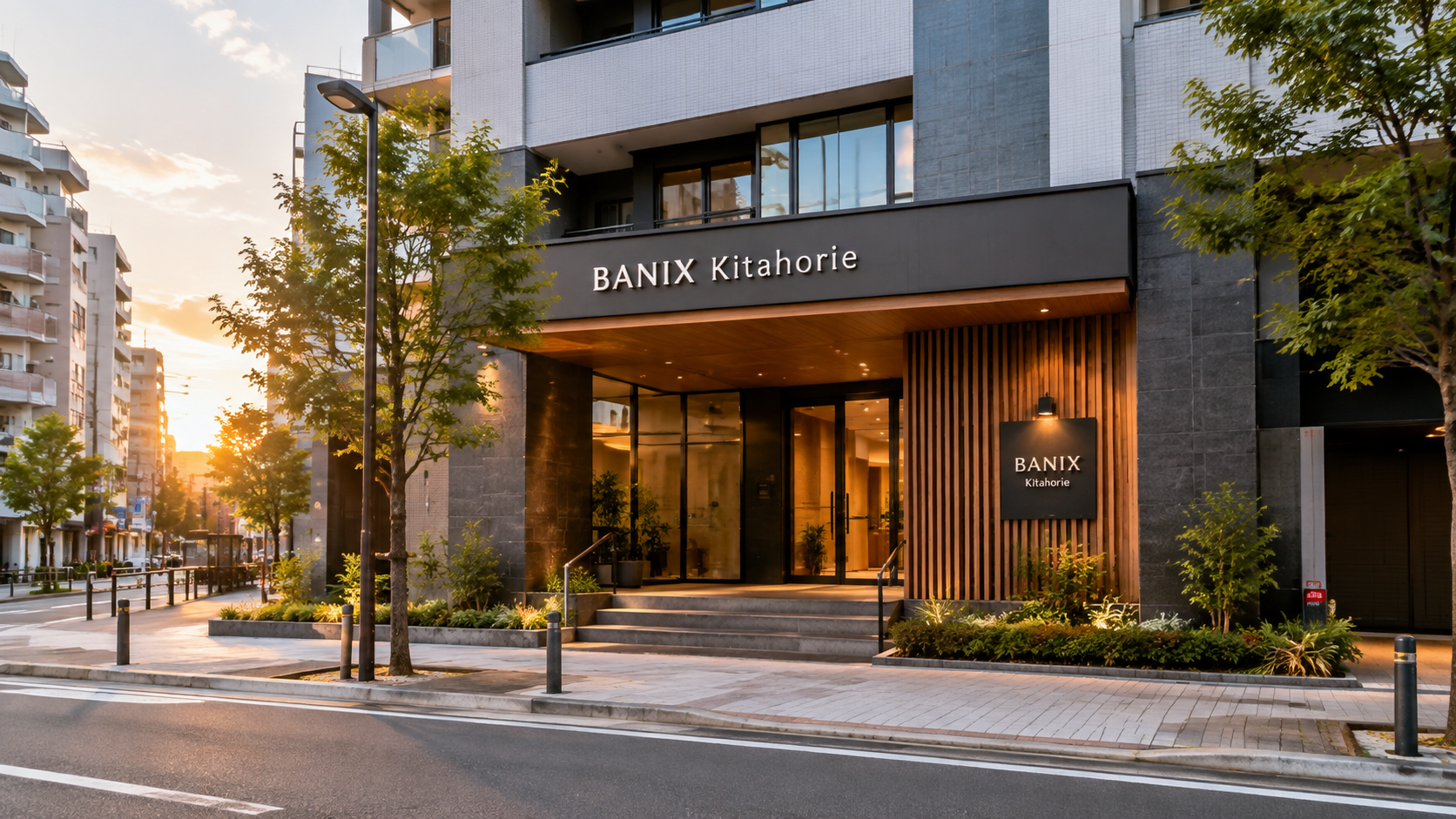
There is no dedicated luggage storage at the BANIX Kitahorie facility. Please arrive light, as space is optimized for the hands-on kitchen workshop.
Photography is encouraged throughout the osaka ramen and gyoza cooking class in dotonbori to capture your culinary creations. You are welcome to film your progress for personal use.
Families are welcome at this Japanese cooking class, which provides an interactive environment suitable for all ages. It is a popular choice for those seeking child-friendly activities in Osaka.
The facility is wheelchair accessible, ensuring all participants can enjoy the osaka ramen and gyoza cooking class in dotonbori. Please notify the staff in advance if specific assistance is required.
The class includes a full meal featuring the ramen and gyoza you prepare. Vegetarian, vegan, and pescatarian options are available if requested at least three days in advance.
Operating Hours
11:30–20:00
Address
BANIX Kitahorie 6F, 3-6-2 Kitahorie, Nishi Ward, Osaka
Accessibility
Wheelchair accessible venue
Best Arrival
11:30–17:30
Storage
Not available on-site
Navigation
Call 601 on intercom upon arrival
Full payment must be completed 2 weeks prior. Cancellations 7–4 days before incur a 20% fee, 3–1 days before 50%, and within 24 hours 100%.
Recommended time
3 hours
Participating in an osaka ramen and gyoza cooking class in dotonbori requires booking a dedicated session for hands-on instruction. Best arrival window: 11:30–17:30 — Arrival at start of session times ensures timely participation in the hands-on workshop. Consider these Osaka culinary experiences as part of a wider day exploring local dough-kneading techniques and noodle broth preparation. Securing your osaka ramen and gyoza cooking class in dotonbori tickets in advance helps streamline your schedule when navigating this bustling district.
Crowd levels through the day
Ramen arrived in Japan during the Meiji era, carried by Chinese immigrants who settled in port cities including Osaka. By the 1920s, street vendors in Dotonbori served simple noodle bowls to theater crowds and dockworkers. Gyoza followed decades later. The dumpling entered Japanese kitchens after 1945, when soldiers returned from Manchuria with recipes adapted from jiaozi. Osaka's cooks thinned the wrappers and crisped one side on iron griddles, creating the pan-fried style that defines the dish today. Dotonbori became a testing ground for both foods as the district rebuilt after wartime destruction. The osaka ramen and gyoza cooking class in dotonbori emerged in the 2000s as culinary tourism gained traction across Kansai. Small studios opened near Kitahorie, teaching visitors to knead dough, roll wrappers, and balance tonkotsu or shoyu broths without industrial shortcuts. The format responded to demand from travelers seeking hands-on engagement with Japanese home cooking rather than restaurant dining alone. Instructors emphasized technique over speed—how to fold a gyoza pleat, when to add tare to hot broth, why alkaline noodles hold their spring. Classes preserved methods that chain restaurants had abandoned in favor of mechanized prep. By 2015, the cooking class model had spread across Osaka's central wards. Studios standardized the ramen and gyoza pairing because both dishes require manageable skill levels and finish within a two-hour workshop. The osaka ramen and gyoza cooking class in dotonbori tours became a fixture in international itineraries, driven by food-focused travel content and the district's proximity to Namba transit hubs. Today's sessions occupy compact commercial kitchens in mid-rise buildings, where participants work in groups to produce individual portions. The classes sustain a direct link to postwar culinary adaptation, when Osaka's cooks transformed borrowed foods into local staples through incremental adjustments in flavor and form.
Street vendors in Dotonbori served simple Chinese-style noodle bowls to theater crowds and laborers.
Japanese soldiers returning from Manchuria introduced gyoza, adapted from Chinese jiaozi with thinner wrappers and pan-frying technique.
Osaka cooks refined gyoza and ramen as affordable staples, establishing the crispy-bottomed dumpling and regional broth styles.
Culinary tourism studios opened in Kitahorie, offering hands-on ramen and gyoza workshops for international visitors.
Cooking class format standardized around the ramen-gyoza pairing due to manageable skill requirements and two-hour session length.
Dotonbori cooking classes became embedded in food-focused travel itineraries, sustaining traditional home-cooking techniques.
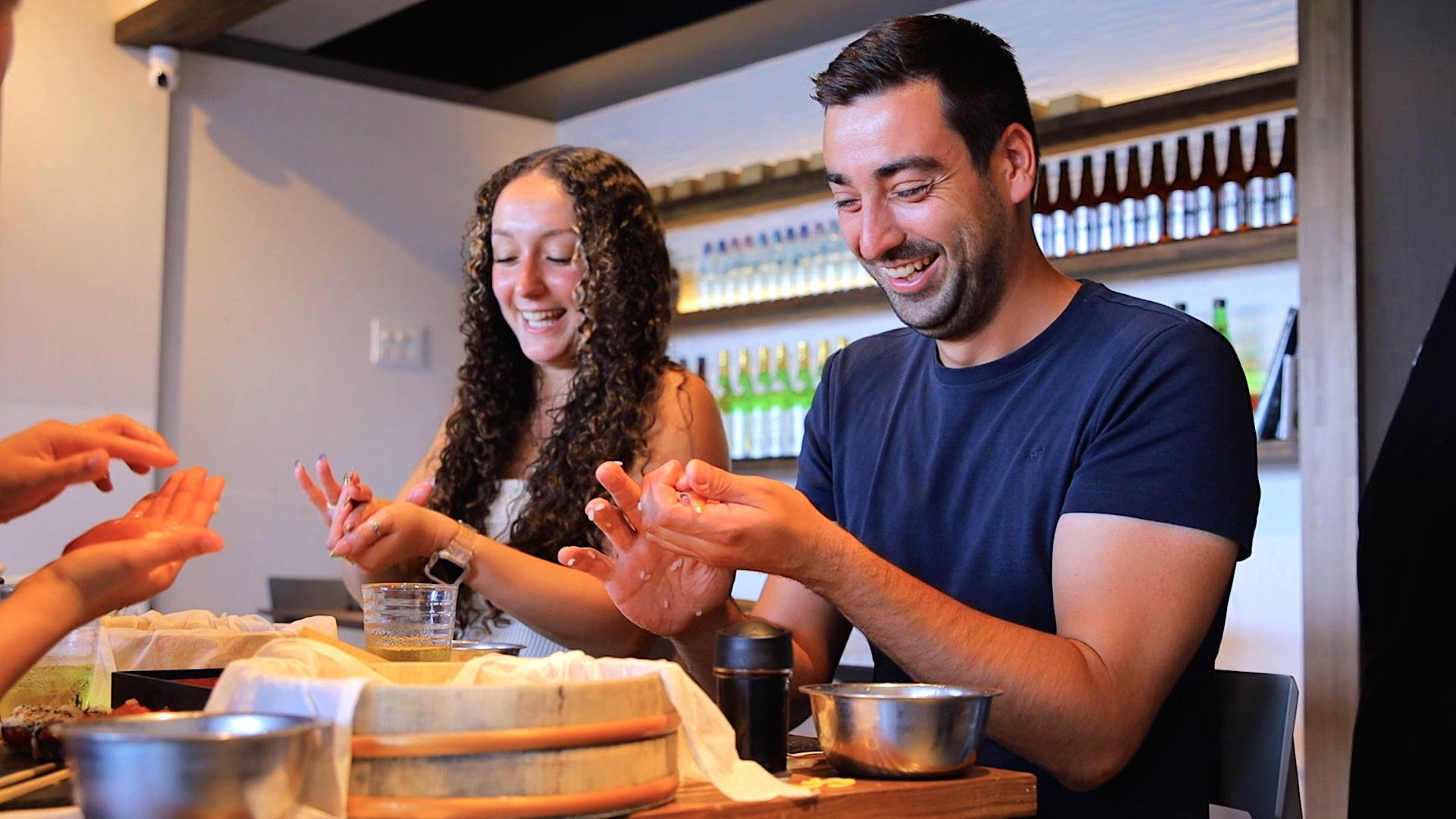
Capture the hands-on process of crafting noodles and wrapping dumplings from a slightly elevated angle at your workstation. Ensure your hands are clean before handling your camera during this osaka ramen and gyoza cooking class in dotonbori.
Document the exterior of the building to provide context for your culinary journey in Osaka. Standing across the street allows for a clear vertical shot of the signage.
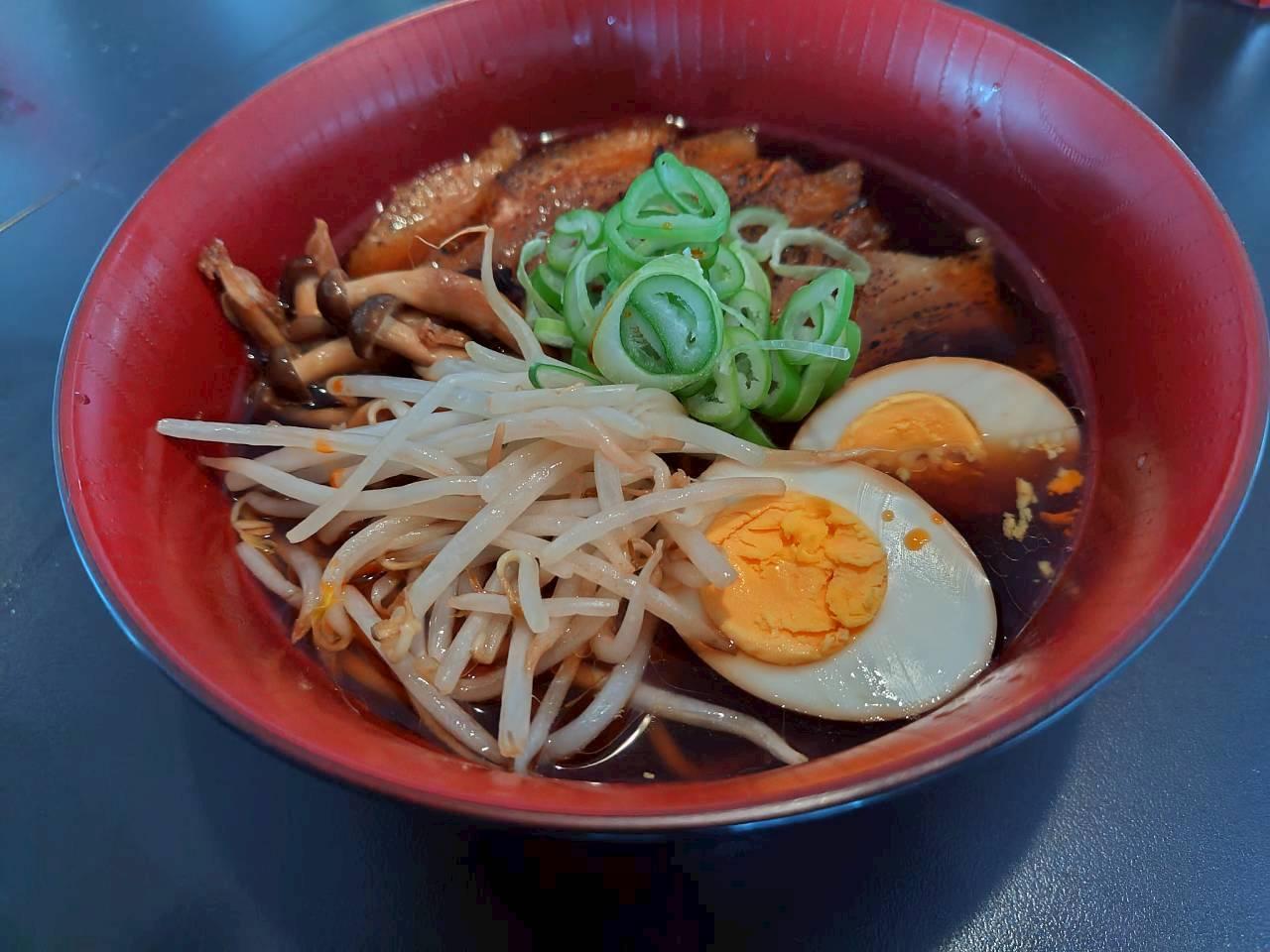
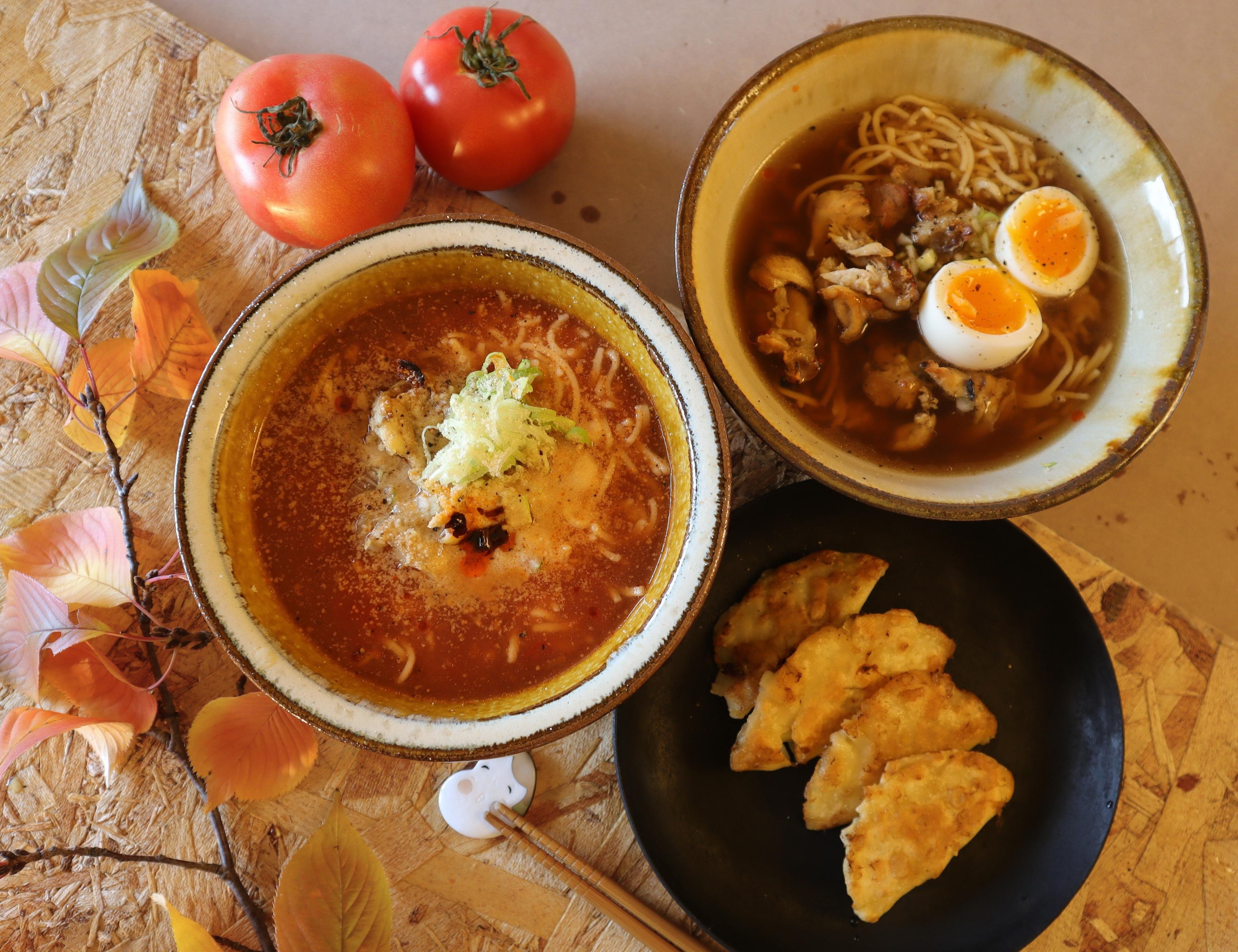
Photograph your completed meal from a top-down perspective to showcase the texture of the broth and the crispness of the gyoza skin. Good lighting is available at the studio tables to help with your osaka ramen and gyoza cooking class in dotonbori tours content.
Frame the instructor demonstrating traditional techniques against the backdrop of the modern kitchen facility. This angle works well for those seeking authentic osaka ramen and gyoza cooking class in dotonbori tickets imagery.
Participating in an osaka ramen and gyoza cooking class in dotonbori allows families to bond over hands-on preparation of Japanese staples in a comfortable studio setting. This interactive culinary experience provides a practical way to learn traditional dough and noodle techniques suitable for various skill levels.
Children are generally welcome to participate from age 7 and older, ensuring they can safely engage with the equipment. Parents should confirm specific age policies when securing their osaka ramen and gyoza cooking class in dotonbori tickets to ensure all young chefs are adequately prepared.
The studio environment at BANIX Kitahorie is designed for hands-on learning, but the use of kitchen knives and stoves requires active adult supervision for all participants. Instructors provide clear, step-by-step guidance to keep the workspace safe and productive for everyone involved in the osaka ramen and gyoza cooking class in dotonbori tour.
The venue is located in the BANIX Kitahorie building; please ensure you arrive within the recommended window of 11:30–17:30 to begin your experience. Be aware that you will need to use the intercom to reach the studio, which is a helpful detail for families managing gear or strollers upon arrival.
Kids often find the process of kneading dough and folding gyoza to be the highlight of the workshop. Choosing these osaka ramen and gyoza cooking class in dotonbori tours creates a lasting memory as families enjoy the fresh meal they created together.
After completing your osaka ramen and gyoza cooking class in dotonbori, you will find yourself in the heart of Osaka's culinary district, where endless street food stalls and specialized noodle shops await. Visitors participating in these osaka ramen and gyoza cooking class in dotonbori tours often explore the neighboring Namba area to compare their handmade creations with professional bowls.
A iconic open-air ramen stand known for its massive dragon signage and rich tonkotsu broth. This is a quick stop for those looking to experience the classic local noodle culture after securing their osaka ramen and gyoza cooking class in dotonbori tickets.
Located within a short walk from the class, this establishment is legendary for its pan-fried dumplings and casual atmosphere. It serves as a perfect reference for texture and flavor during your osaka ramen and gyoza cooking class in dotonbori tour.
Famous for its unique, mild vegetable-based broth that contrasts with traditional heavy ramens. It offers a comfortable seating area to relax and analyze your culinary skills following the workshop.
Everything you need to know for your journey
The facility is open daily from 11:30–20:00.
Yes, the SakuraCook facility is wheelchair accessible.
The class fee is 12,000 JPY per person, which includes all ingredients and instruction.
Yes, families are welcome to participate in the hands-on workshop together.
We recommend arriving within the 11:30–17:30 window to ensure timely participation.
Yes, vegetarian, vegan, and Muslim-friendly options are available upon request 3 days in advance.
The venue is located at BANIX Kitahorie 6F; please call 601 on the intercom.
Wear comfortable casual clothing; apron gear is provided on-site.
Yes, SakuraCook offers private group experiences for various group sizes.
Join thousands of happy travelers who have discovered this incredible experience
Book Your Experience Now