English| EUR
Suggested for you
More currencies
Book Now
Open today · 10:00–19:30

Bento Cooking Class Osaka

Bento Cooking Class Osaka — Traditional Home Cooking Experiences

Learn centuries-old techniques in authentic Japanese homes, master the art of balanced seasonal flavors

50K+ travelers chose this
Free Cancellation
Right now: Moderate — autumn season Please arrive during your scheduled slot.
Free Cancellation
Free cancellation Instant confirmation Mobile voucher Verified partner Small group sizes
14,000 JPY
Entrance fee
Per person standard class price
09.5 hrs
Daily hours
Open 10:00–19:30 daily
6th Floor
Studio location
BANIX Kitahorie building facility
Osaka
City location
Located in Nishi Ward
Choose your ticket

Bento Cooking Class Osaka tickets at a glance

Compare fares, pick the fit — all bookings are mobile-voucher and eligible for free cancellation where shown.

Japanese Home Cooking & Market Tour 2 hr 30 min
Standard Entry

Japanese Home Cooking & Market Tour

5 (14)
$83
  • Entry ticket
  • Mobile voucher
  • Valid same day
  • Free cancellation
Book this ticket
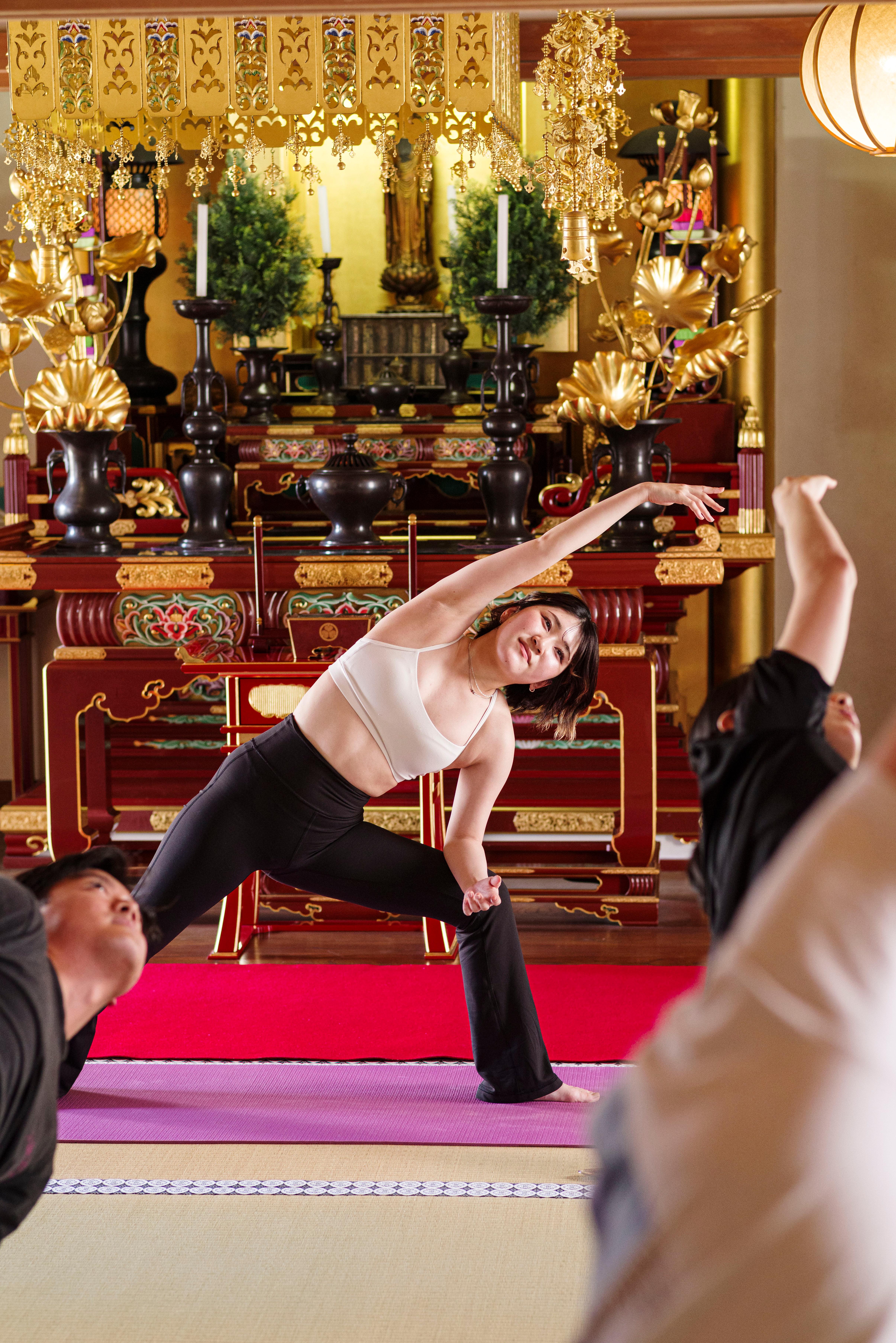
Temple Yoga & Bento Experience in Osaka 1 hr 30 min
Standard Entry

Temple Yoga & Bento Experience in Osaka

4.9 (9)
€40
  • Entry ticket
  • Mobile voucher
  • Valid same day
  • Free cancellation
Book this ticket
Compare options

Compare Bento Cooking Class Osaka ticket options

Experience DurationRatingGuideSmall groupFree cancel. Price
Standard Entry
Most popular
Home Cooking & Bento Making in a Traditional Japanese House
3 hr★ 5.0 $96 Book →
Standard Entry
Japanese Home Cooking & Market Tour
2 hr 30 min★ 5.0 $83 Book →
Standard Entry
Temple Yoga & Bento Experience in Osaka
1 hr 30 min★ 4.9 €40 Book →

Is a Bento Cooking Class Osaka Worth the Investment?

Worth it for hands-on learners and food enthusiasts

A bento cooking class osaka delivers practical culinary skills you'll use long after leaving Japan. At 14,000 JPY per person, you're paying for expert instruction, premium ingredients, and a complete meal you prepare yourself. The hands-on format means you'll master techniques like dashi preparation, rice seasoning, and traditional plating rather than just watching a demonstration. Classes typically run two to three hours and include market tours or temple experiences depending on the option you choose. The value proposition centers on take-home knowledge—rolling onigiri, balancing flavors with mirin and soy, assembling a visually balanced bento—skills that translate directly to your own kitchen. For travelers seeking authentic cultural immersion beyond temples and shopping districts, these sessions offer genuine interaction with Osaka's food traditions. The investment makes sense if you cook regularly at home and want techniques that elevate everyday meals, not just a one-time dining experience.

What makes it worth it

  • Learn replicable techniques for home cooking
  • Work with premium Japanese ingredients and tools
  • Small group instruction ensures personalized guidance
  • Take home recipes and cultural context
  • Includes full meal you prepared yourself

Keep in mind

  • Higher price point than typical cooking demonstrations
  • Requires 2-3 hour time commitment
  • Advanced bookings often necessary for preferred slots

Bottom line: Bento cooking class osaka tours justify the cost when you value skill acquisition over passive tourism, turning the fee into lasting culinary competence.

Head to head

Bento Cooking Class Osaka vs Sushi Making Class — Which Is Better?

They complement each other; most visitors who do both call the sushi making tour the more thrilling technical challenge.

Top pick
Bento Cooking Class
Sushi Making Class
Focus Nigiri and rolls
Duration 2–3 hours
Price 6,000–10,000 JPY
Skill Level Beginner to advanced
Best For Precision knife work
Inclusions Professional instruction
Group Size 1–13 guests

Verdict: Choose the bento cooking class osaka tours if you want to master versatile home-cooked meals, or opt for sushi making class tickets if you prefer focusing on a single, iconic Japanese craft.

Featured Experiences

Popular Bento Cooking Class Osaka tours & activities

Hand-picked experiences loved by thousands of travelers

Recommended Experience

Powered by GetYourGuide

Another traveler favorite

Powered by GetYourGuide
Authentic Japanese Home Cooking Class in Osaka 2 hours 30 minutes Free Cancellation

Authentic Japanese Home Cooking Class in Osaka

Cook traditional dishes in a local kitchen with an Osaka-born host. Small groups of five or fewer.

5 (8)
FromFrom €39.07
See details
Hands-On Ramen & Gyoza Cooking Class in Dotonbori 3 hours Free Cancellation

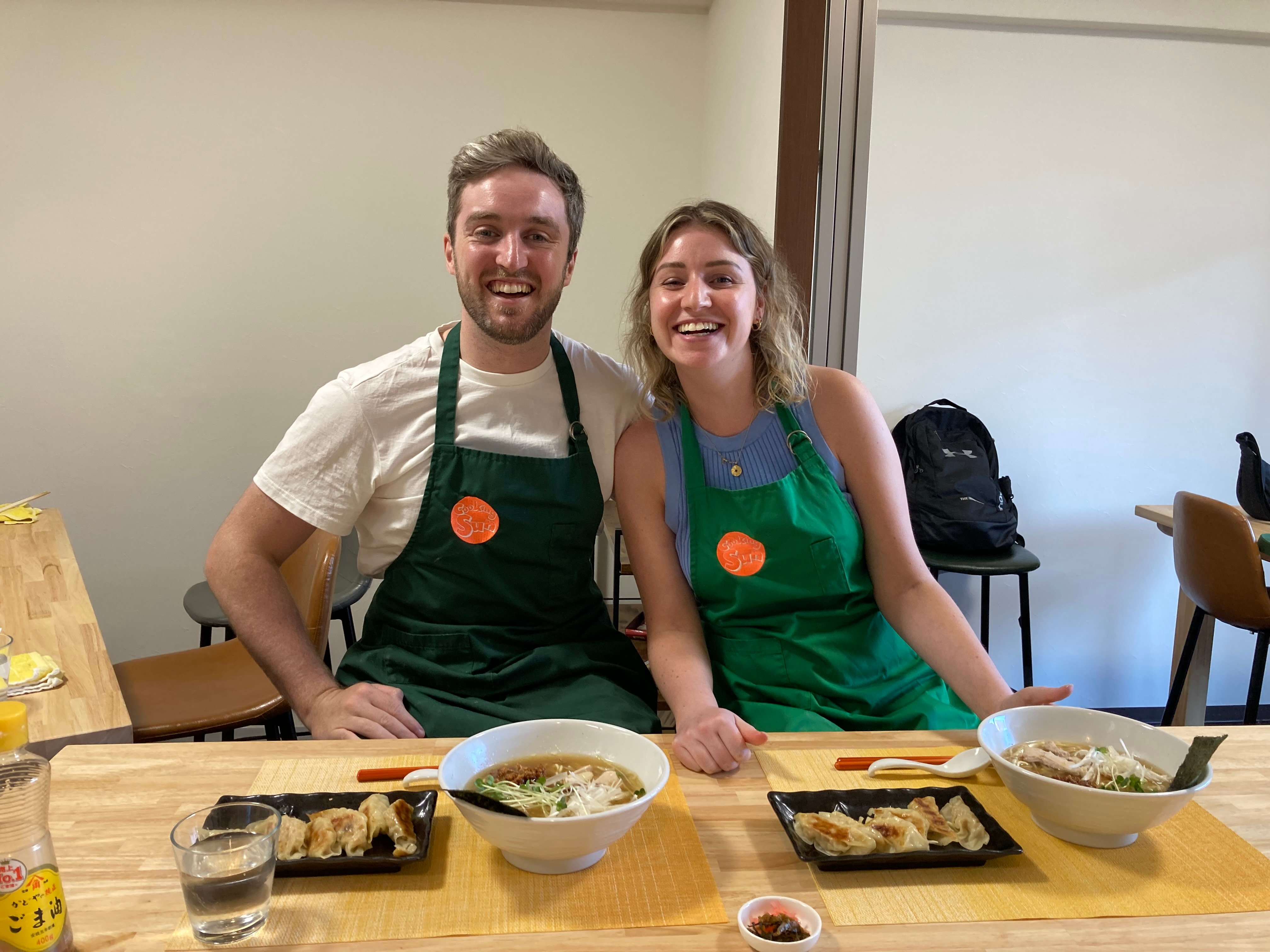
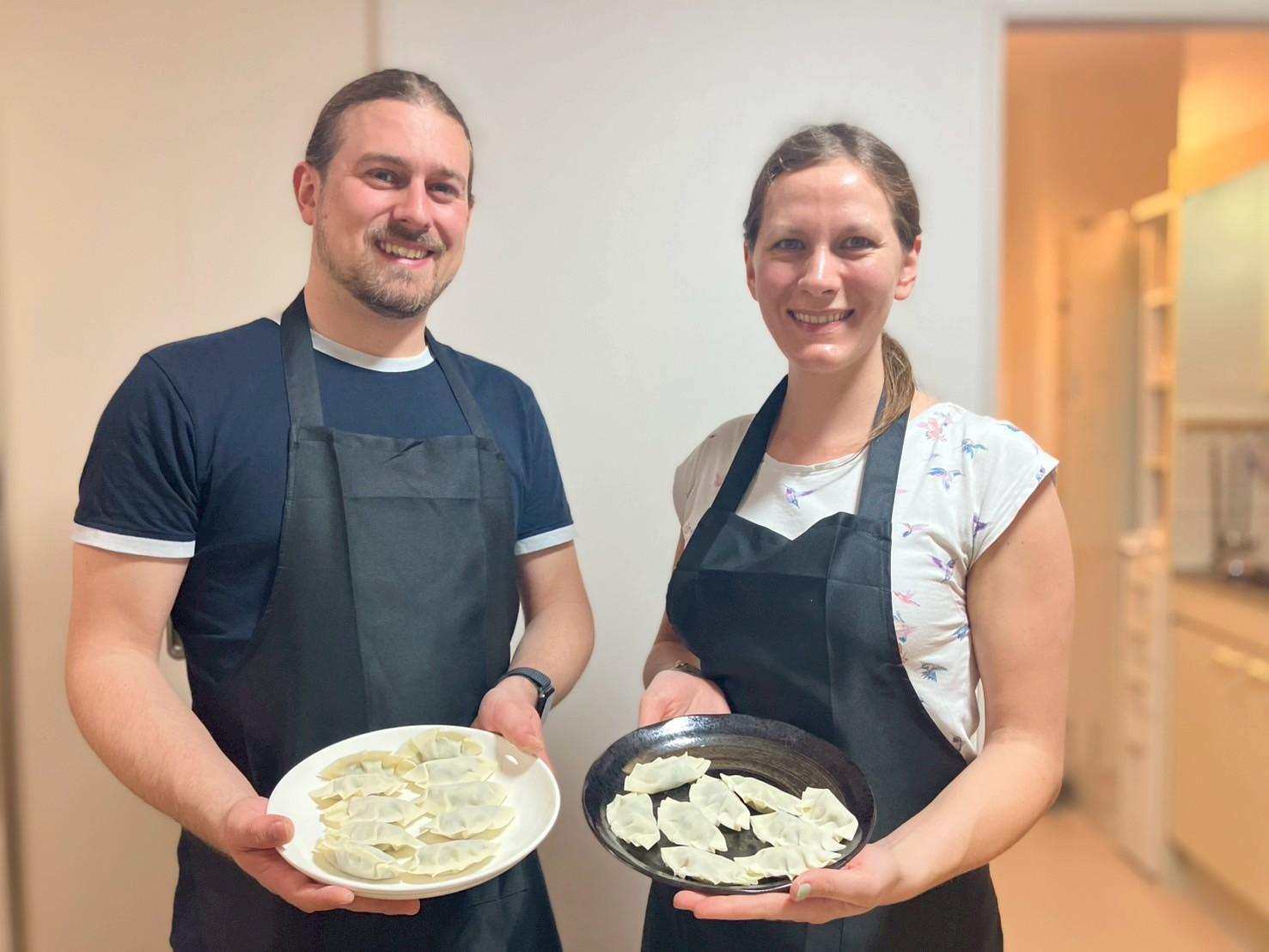
Hands-On Ramen & Gyoza Cooking Class in Dotonbori

Master the art of Japanese noodle-making from scratch in Osaka's vibrant food district

5 (541)
FromFrom €61.4
See details
Ramen & Gyoza Cooking Workshop in Namba 2 hours Free Cancellation

Ramen & Gyoza Cooking Workshop in Namba

Master the craft of Japanese noodle soup and dumplings in a hands-on culinary session led by expert chefs.

4.9 (182)
FromFrom €61.4
See details
Roll & Authentic Sushi Making Class in Dotonbori 1 hour 40 minutes Free Cancellation

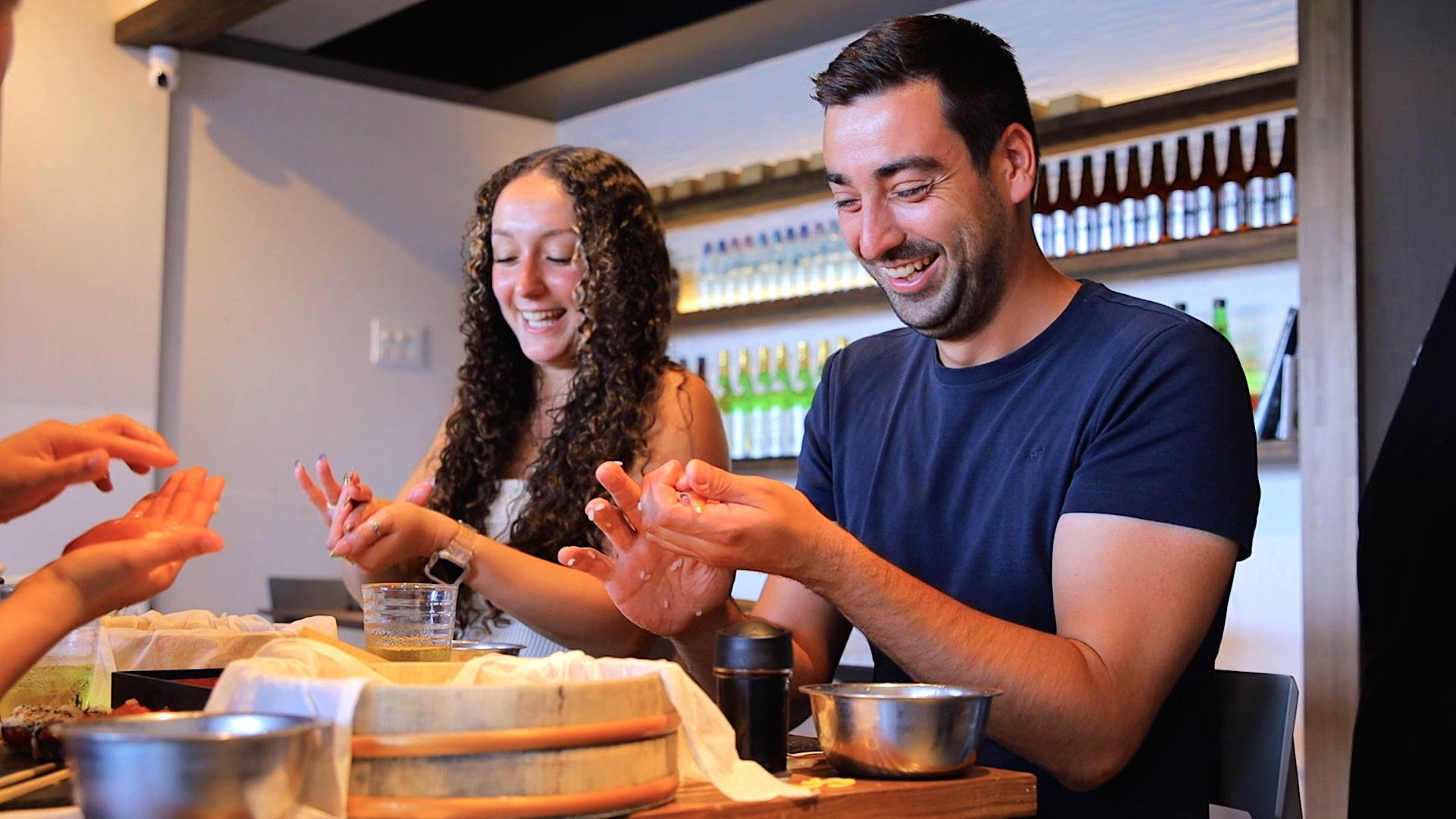
Roll & Authentic Sushi Making Class in Dotonbori

Hands-on sushi workshop in Osaka's culinary heart with English-speaking guides and all ingredients provided

4.9 (469)
FromFrom €39.07
See details
Hands-On Sushi Workshop in Namba 1.5 hours Free Cancellation

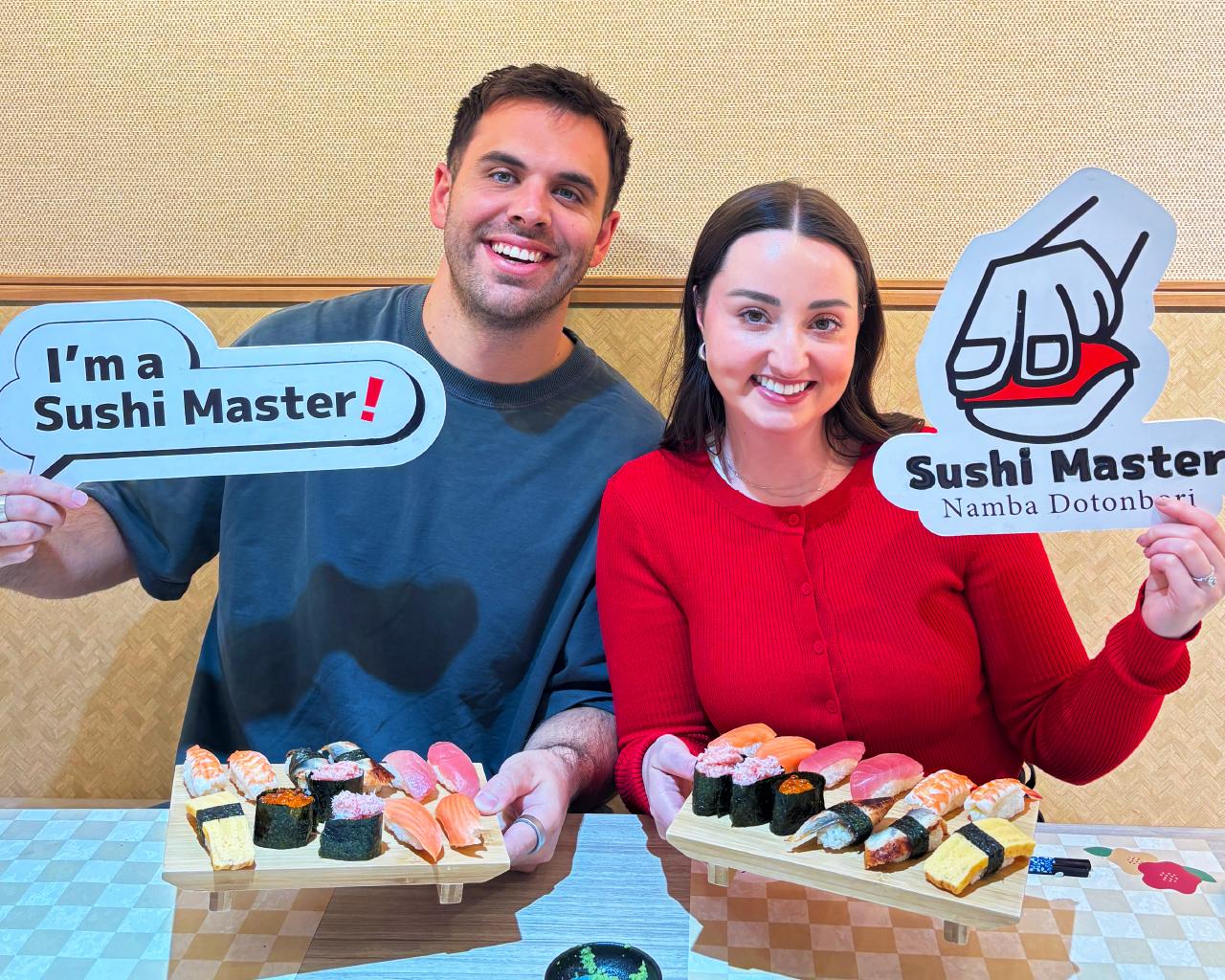
Hands-On Sushi Workshop in Namba

Craft authentic sushi under expert guidance, savor your creations, and earn your certificate

5 (152)
FromFrom €31.26
See details
Osaka Ramen & Gyoza Cooking Class with Panoramic Views 2 hours 30 minutes Free Cancellation

Osaka Ramen & Gyoza Cooking Class with Panoramic Views

Master authentic Japanese noodles and dumplings in a stunning studio overlooking Namba and Tsutenkaku Tower

4.9 (91)
FromFrom €87.23
See details
Osaka Udon, Tempura & Cultural Games Cooking Class 3 hours Free Cancellation

Osaka Udon, Tempura & Cultural Games Cooking Class

Create authentic udon noodles and tempura from scratch, then play traditional Japanese games in Osaka

FromFrom €61.4
See details
Osaka Cooking Class: Takoyaki, Okonomiyaki & Onigiri 2 hours Free Cancellation

Osaka Cooking Class: Takoyaki, Okonomiyaki & Onigiri

Master three iconic Japanese dishes in a hands-on class, then savor your homemade creations with tea.

4 (11)
FromFrom €50.38
See details
Your journey

Your Bento Cooking Class Osaka day, step by step

1

Introduction

Learn about the history of bento and seasonal ingredients.

2

Preparation

Hands-on assembly of traditional Japanese dishes.

3

Dining

Enjoy the meal prepared during the bento cooking class osaka.

4

Cleanup

Organize station and receive your class certificate.

The experience

What visiting Bento Cooking Class Osaka is really like

You arrive at a residential building in Kitahorie, climb to the sixth floor, and step into a compact teaching kitchen lined with ceramic bowls and bamboo utensils.

Read more Show less

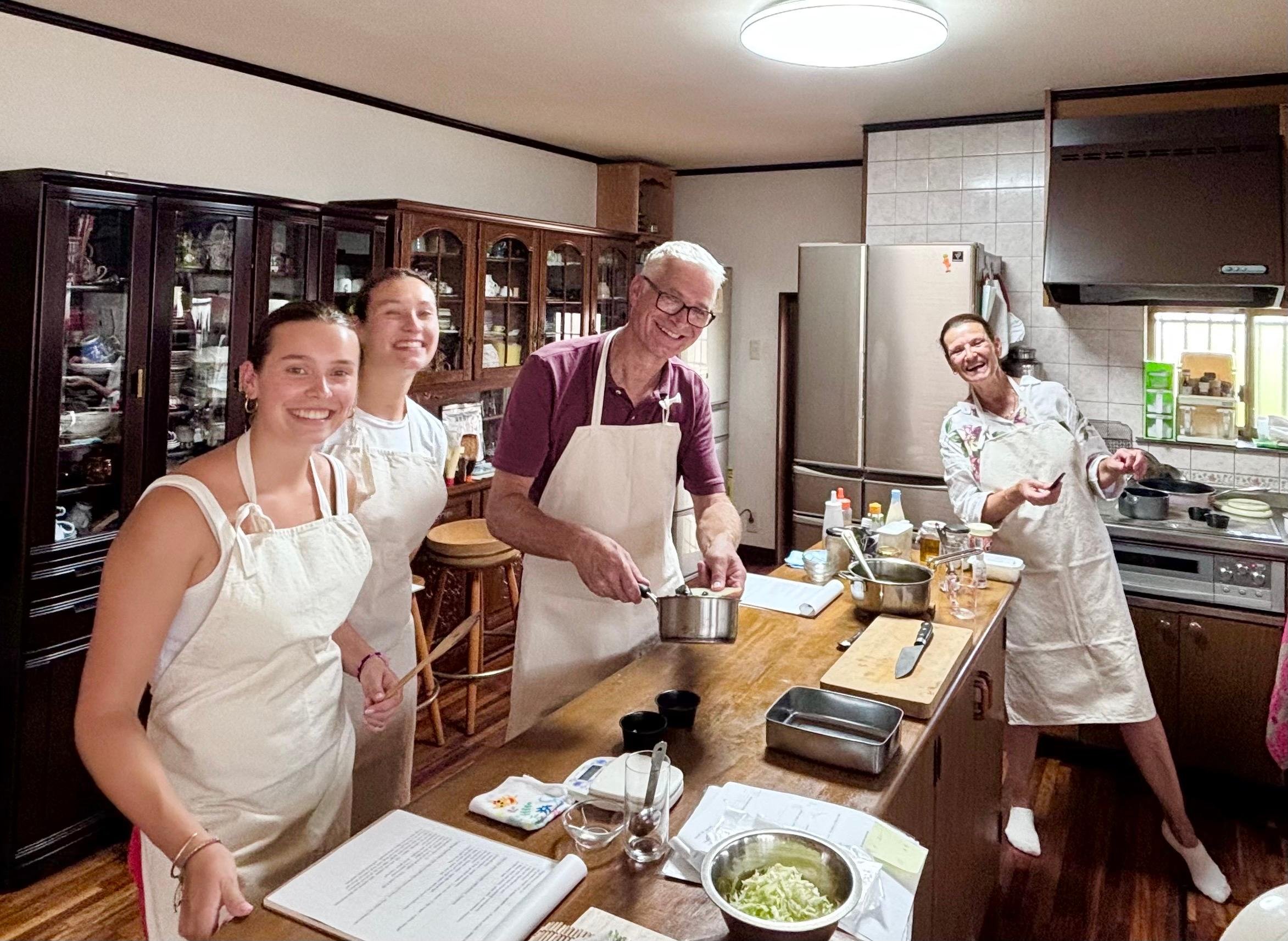
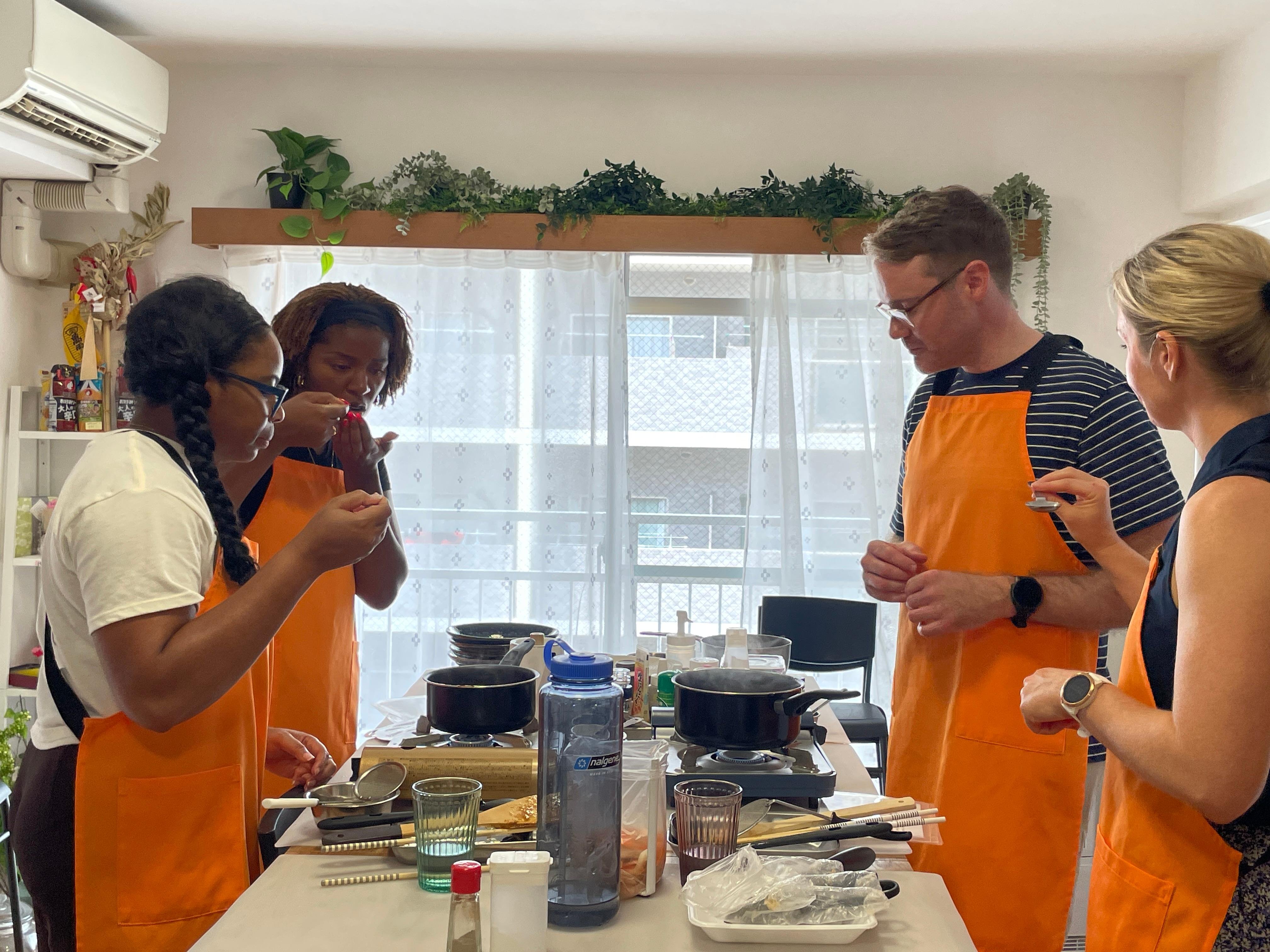
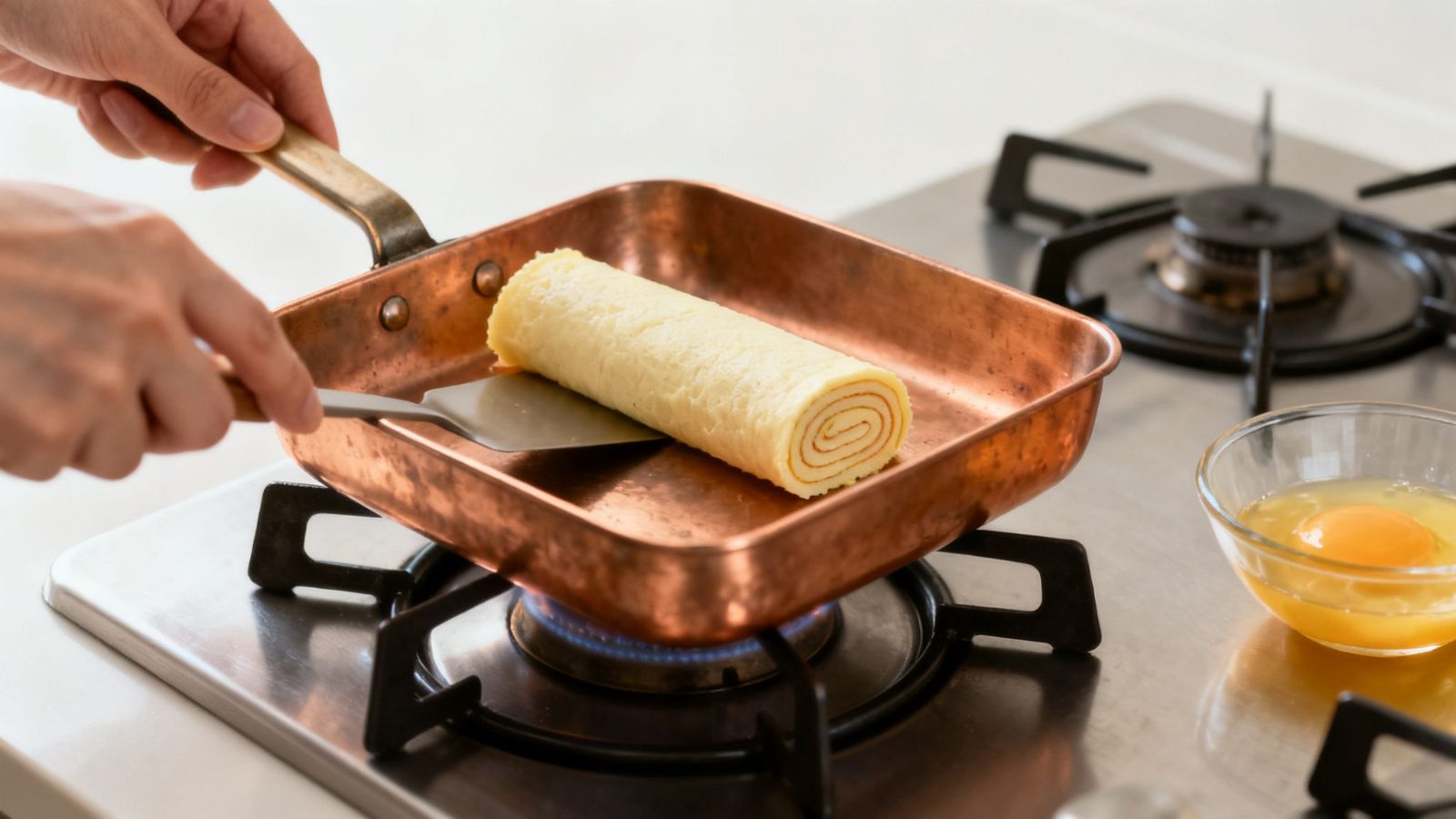
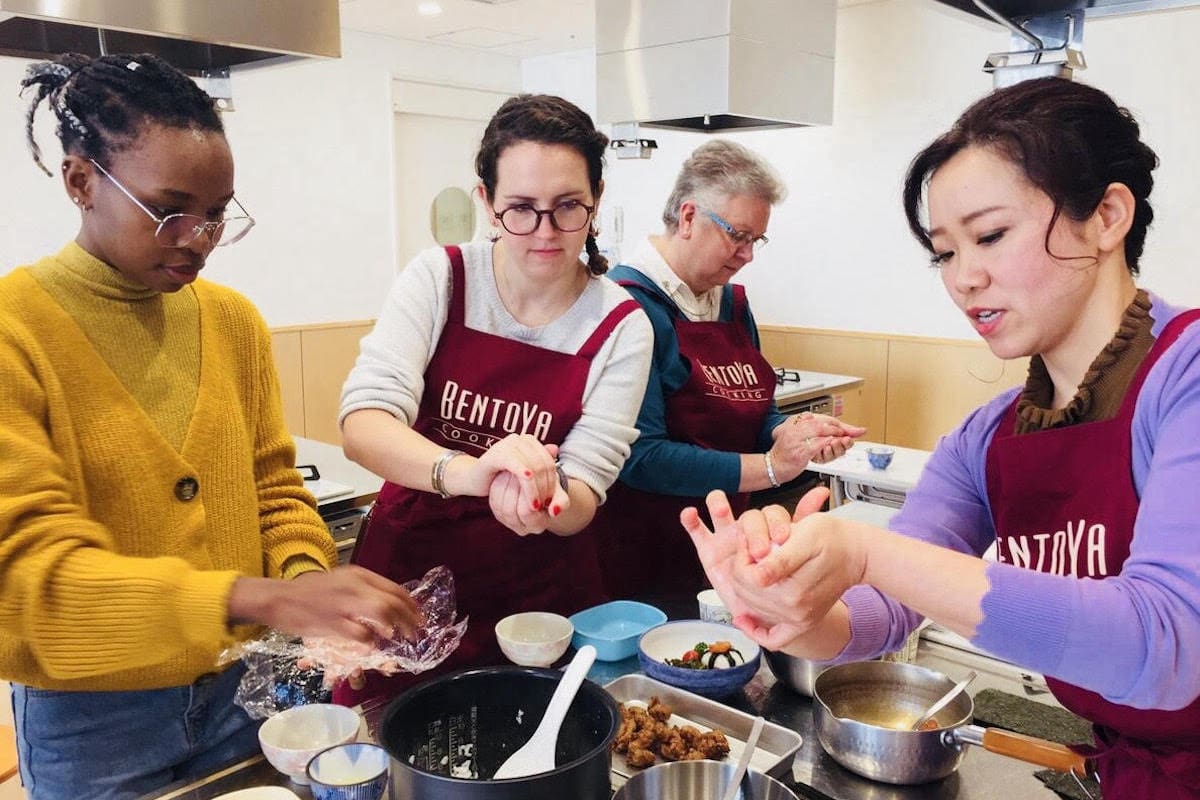
Your instructor, a third-generation home cook, sets out ingredients on a low wooden table: seasoned rice, dashimaki tamago components, pickled vegetables, grilled salmon, and a small portion of simmered hijiki seaweed. You begin by shaping onigiri, learning the triangular fold that prevents the rice from compacting, then move to the tamagoyaki pan, a rectangular skillet that produces the layered omelet central to every bento composition.

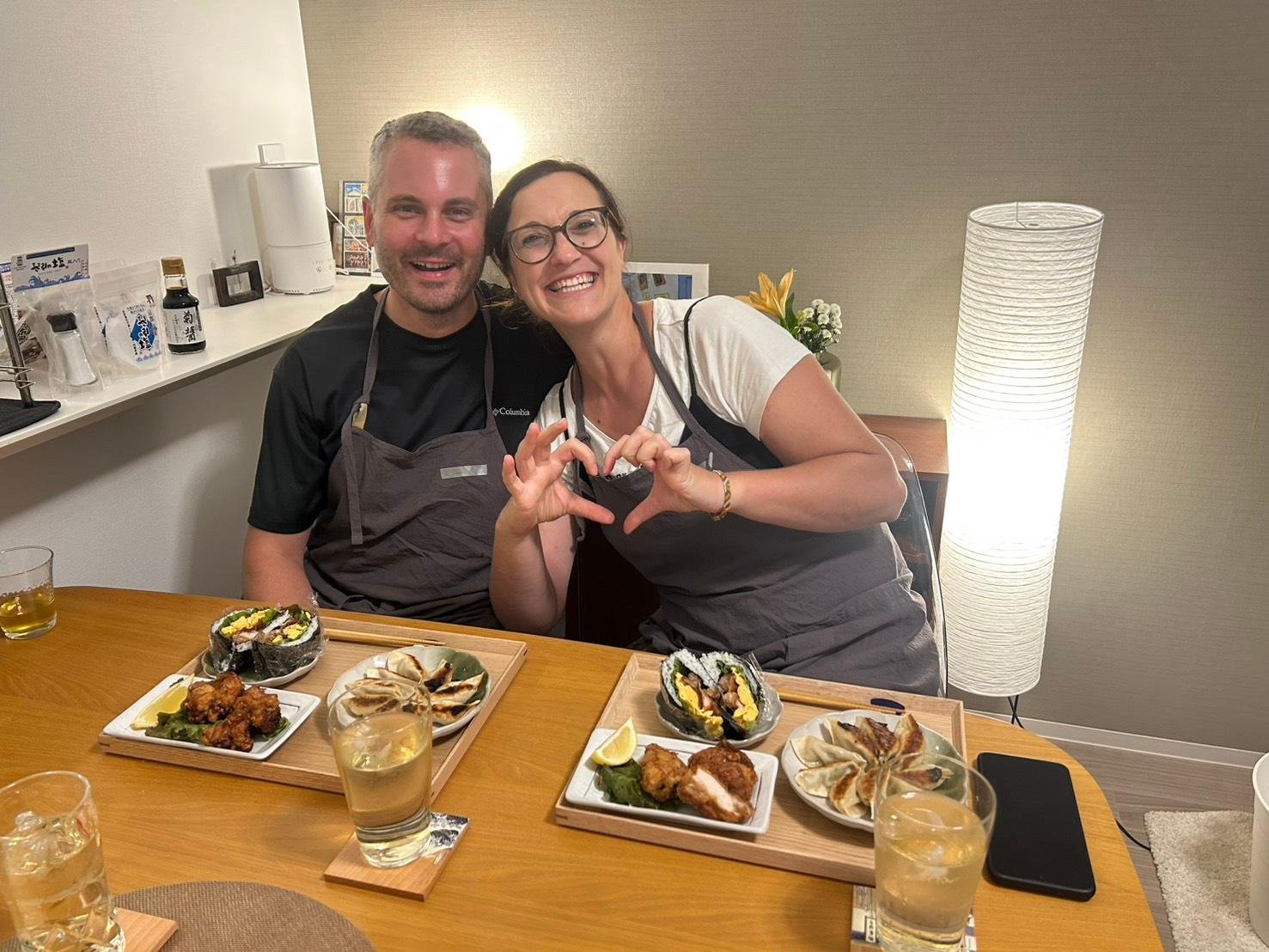
The instructor demonstrates knife angles for julienning daikon, the correct ratio of vinegar to sugar for tsukemono brine, and the sequence in which items enter the box to preserve temperature and prevent flavor bleed. You plate your completed bento using dividers and baran leaves, photograph the arrangement, then sit for a shared meal accompanied by miso soup and hojicha tea. Before leaving, you receive a printed recipe booklet and a small jar of homemade sesame furikake.

Bento Cooking Class Osaka
Everything You Need to Know

Your complete Bento Cooking Class Osaka guide

All the details about your upcoming adventure in one place

The modern bento box descends from a thirteenth-century practice called hoshi-ii, in which dried rice was carried in small woven bags for field workers and soldiers.

By the Edo period, lacquered wooden boxes with compartments had become the vessel of choice, and the five-color principle — white, black, red, yellow, green — emerged as the governing aesthetic for arranging seasonal ingredients. Today, bento preparation remains one of Japan's most enduring domestic arts, taught in family kitchens and specialized culinary schools across Osaka.

The bento cooking class Osaka scene centers on intimate, residential settings rather than commercial studios. Most sessions unfold in machiya townhouses or family apartments in Nishi Ward and Chuo Ward, where instructors — often home cooks with decades of experience — guide participants through knife technique, dashi preparation, and the spatial logic of the compartmentalized meal. The curriculum emphasizes washoku, the traditional Japanese dietary culture inscribed on UNESCO's intangible heritage list in 2013, focusing on umami balance, seasonal alignment, and minimal waste.

Osaka's position as Japan's historical merchant capital shapes its culinary instruction. Unlike the restrained kaiseki traditions of Kyoto, Osaka home cooking prioritizes bold dashi flavor, efficient preparation, and hearty portion composition suited to working households. Instructors source ingredients from neighborhood markets — Kuromon Ichiba and Tenma — where vendors have supplied the same families for generations. Rice selection, pickling methods, and tamagoyaki folding are taught with the assumption that students will replicate the meal at home, not simply observe.

Classes typically run two to three hours and accommodate four to eight participants. The structure follows a fixed sequence: market tour or ingredient briefing, hands-on preparation under direct supervision, plating and arrangement instruction, then communal tasting. Most programs include recipe cards written in English and Japanese, photographed step sequences, and a take-home portion of house-made tsukemono or furikake seasoning.


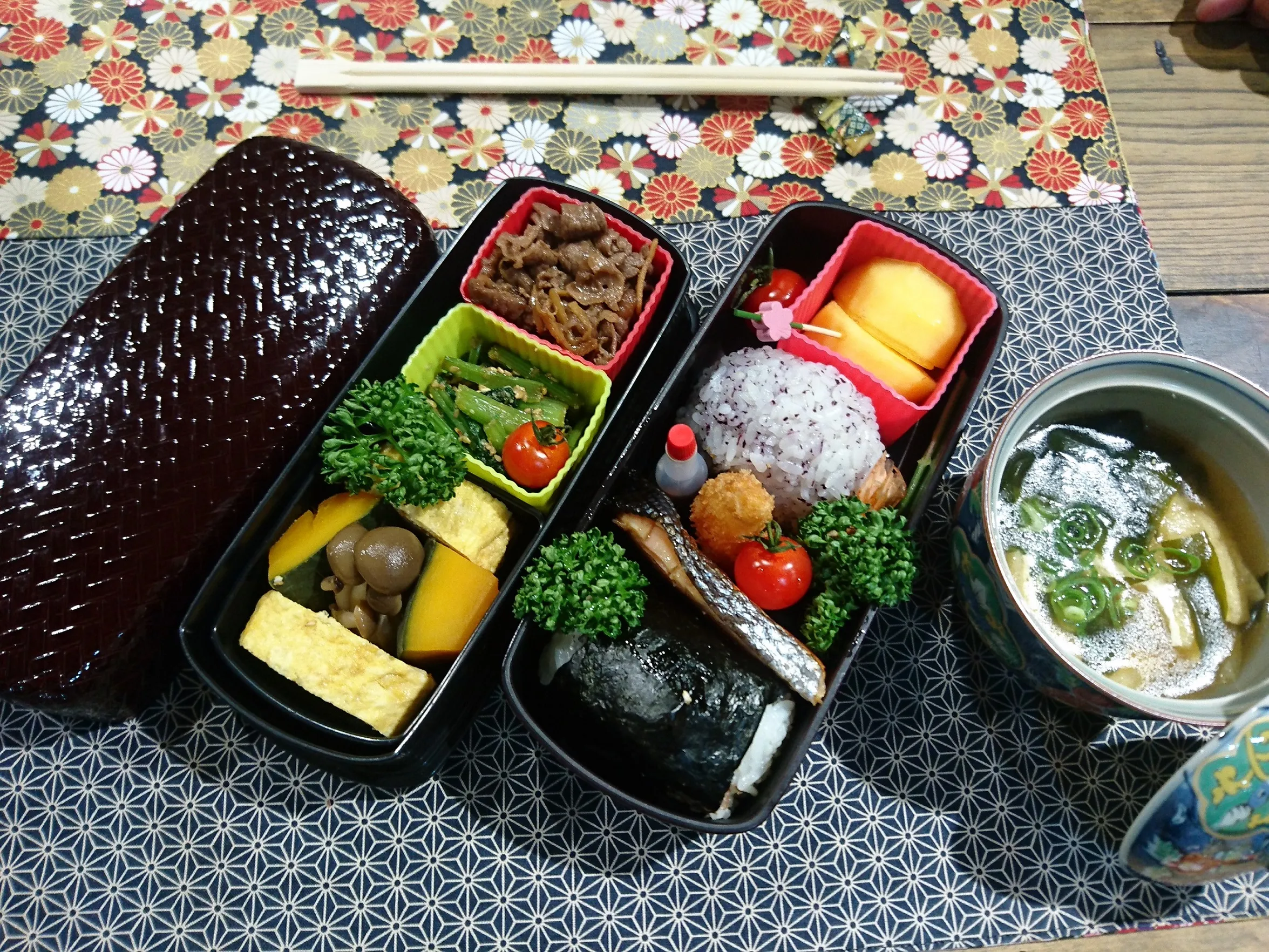
The five-color principle — white, black, red, yellow, green — emerged as the governing aesthetic for arranging seasonal ingredients.

Dress code

Casual and comfortable clothing is recommended for this bento cooking class osaka session. Please avoid loose sleeves that may interfere with food preparation.

Bags & security

Secure storage for personal belongings is available during your bento cooking class osaka tour. Large luggage should be minimized as kitchen space is dedicated to culinary workstations.

Photography

Photography is encouraged during your bento cooking class osaka. Please ensure your device does not disrupt other participants or the instructor.

Families & strollers

Children are welcome when accompanied by an adult. The bento cooking class osaka provides family-friendly workstations.

Accessibility

The facility is located on the 6th floor with elevator access. Please notify the team in advance regarding any specific mobility needs for your bento cooking class osaka tickets.

Food & drink

Participants will consume the meal prepared during the bento cooking class osaka. Please inform the team of severe food allergies prior to your arrival.

Not allowed

× Sharp objects × Open flames outside kitchen usage × Strong perfumes × Illegal substances × Excessive alcohol × Uncovered food × Flammable materials × Large suitcases

What to bring

✓ Confirmation email ✓ Comfortable shoes ✓ Hair tie for long hair ✓ Water bottle ✓ Open mind for learning

Opening hours

Mon 10:00–19:30
Tue 10:00–19:30
Wed 10:00–19:30
Thu 10:00–19:30
Fri 10:00–19:30
Sat 10:00–19:30
Sun 10:00–19:30

How to get there

Closures & exceptions

  • ·Jan 1 — New Year Holiday
  • ·Jan 2 — New Year Holiday
  • ·Jan 3 — New Year Holiday

At a glance

Operating Hours

10:00–19:30

Address

BANIX Kitahorie 6F, 3-6-2 Kitahorie, Nishi Ward, Osaka, 550-0014, Japan

Entry

Pre-booked appointments required

Arrival

10:00–19:30

Storage

Limited space available

Navigation

Located in Kitahorie near Osaka metro lines

Getting there

Public transport · 5 min walk · Low cost

Take the Osaka Metro Nagahori Tsurumi-ryokuchi Line to Nishiohashi Station.

Taxi · Variable · Moderate cost

Request a drop-off at BANIX Kitahorie in Nishi Ward.

Cancellation policy

Cancellations must be made within the provider's specified window to receive a refund. The standard bento cooking class experience fee is 14,000 JPY per person.

Plan your time

How to Plan Your Bento Cooking Class Osaka Visit

Recommended time

3 hours

A bento cooking class osaka session typically requires three hours to fully prepare, assemble, and enjoy your meal. Guests should arrive during the 10:00–19:30 window to ensure a relaxed pace for these Japanese culinary workshops. Booking bento cooking class osaka tours in advance helps manage your itinerary, as these hands-on sessions allow for consistent participant flow without significant queuing issues. By securing your bento cooking class osaka tickets early, you can seamlessly integrate this activity into your Osaka sightseeing schedule.

Crowd levels through the day

10:00 AM Light
1:00 PM Moderate
3:30 PM Busy
6:00 PM Moderate
Plan ahead

Best time to visit Bento Cooking Class Osaka

Weather · crowds · average price — dots go green to amber to red as each metric rises.

Spring

Mild temperatures make walking to this bento cooking class osaka pleasant. Cherry blossoms enhance the city atmosphere.

Summer

Air-conditioned indoor kitchen provides a cool escape from the humidity. Perfect for avoiding afternoon sun.

Autumn

Comfortable weather for exploring Nishi Ward before your Japanese cooking class experience.

Winter

Indoor culinary activities provide warmth and a festive atmosphere for groups.

Insider tips

Helpful tips for visiting Bento Cooking Class Osaka

Booking in advance

Secure your bento cooking class osaka slot early to ensure availability. Weekends tend to fill up faster than weekdays.

Dietary needs

Communicate all food allergies when booking your bento cooking class osaka. This ensures the chef can provide safe alternatives.

Station arrival

Use exit 4 of Nishiohashi Station for the shortest walk. This saves time navigating the local streets.

Local transport

Purchase an ICOCA card for seamless travel to your bento cooking class osaka. It works across all major Osaka transit lines.

Dress for comfort

Wear flat, closed-toe shoes for safety in the kitchen. Standing for the bento cooking class osaka requires comfortable footwear.

Where to meet

Bento Cooking Class Osaka meeting points

BANIX Kitahorie

3-6-2 Kitahorie, Nishi Ward, Osaka

Meet on the 6th floor

Get directions
The story

The history of Bento Cooking Class Osaka

The bento cooking class osaka tradition emerged from a collision of post-war necessity and pre-modern craft. Though bento boxes trace back to the Kamakura period (1185–1333), when dried rice carried in lacquered containers fed soldiers and travelers, the participatory cooking-class format arrived only in the 1980s. Osaka, long known as "Japan's kitchen" for its merchant-driven food culture, became a natural laboratory. Home economics schools had taught meal assembly since the Meiji era, but the shift toward experiential tourism—foreigners learning to prepare dashi, season rice, and arrange pickled vegetables—gained traction after Japan's bubble economy collapsed in 1991. Cultural exchange programs and municipal tourism boards began promoting hands-on workshops as a way to salvage declining urban tax bases. By the early 2000s, Kitahorie—a western Osaka district historically dominated by textile wholesalers—had transformed into a center for culinary education. Former warehouse spaces, emptied by deindustrialization, were converted into teaching kitchens. The bento cooking class osaka tours model crystallized around this time, blending precision knife work inherited from kaiseki traditions with the portable, compartmentalized aesthetic of ekiben (train-station bento). Instructors often came from ryokan kitchens or disbanded catering collectives. The 2011 Tōhoku earthquake and tsunami paradoxically accelerated growth; international interest in Japanese resilience and food heritage spiked, and booking platforms began listing Osaka bento workshops alongside temple visits and sake tasteries. Today's classes occupy a narrow vertical: multi-floor studios in repurposed commercial buildings, often above cafes or design shops. The curriculum has ossified into a recognizable sequence—dashi demonstration, tamagoyaki technique, rice shaping, bento assembly—but the underlying appeal remains rooted in the 1980s promise of access. Participants leave with a assembled meal, a printed recipe card, and photographs, a formula that has remained largely unchanged since the format's commercial debut. The longevity reflects not innovation but replication: what works in one Kitahorie studio is cloned in the next, ensuring consistency at the expense of evolution.

1185–1333

Bento containers first used by soldiers and travelers during the Kamakura period, carried as dried rice in lacquered boxes.

1868–1912

Meiji-era home economics schools begin teaching Japanese meal preparation as part of modernization curricula.

1980s

Osaka culinary schools introduce participatory cooking workshops targeting international visitors, blending education with tourism.

1991–2000

Post-bubble economy drives municipal tourism boards to promote hands-on food experiences as cultural exchange and revenue strategy.

Early 2000s

Kitahorie district in western Osaka converts former textile warehouses into teaching kitchens, establishing the modern cooking-class hub.

2011

Tōhoku disaster increases global interest in Japanese food culture; booking platforms begin listing bento cooking class osaka tickets alongside traditional tours.

2015–present

Standardized curriculum—dashi, tamagoyaki, rice shaping—becomes the dominant format across Kitahorie studios, prioritizing replicability over innovation.

Photo spots

Best photo spots at Bento Cooking Class Osaka

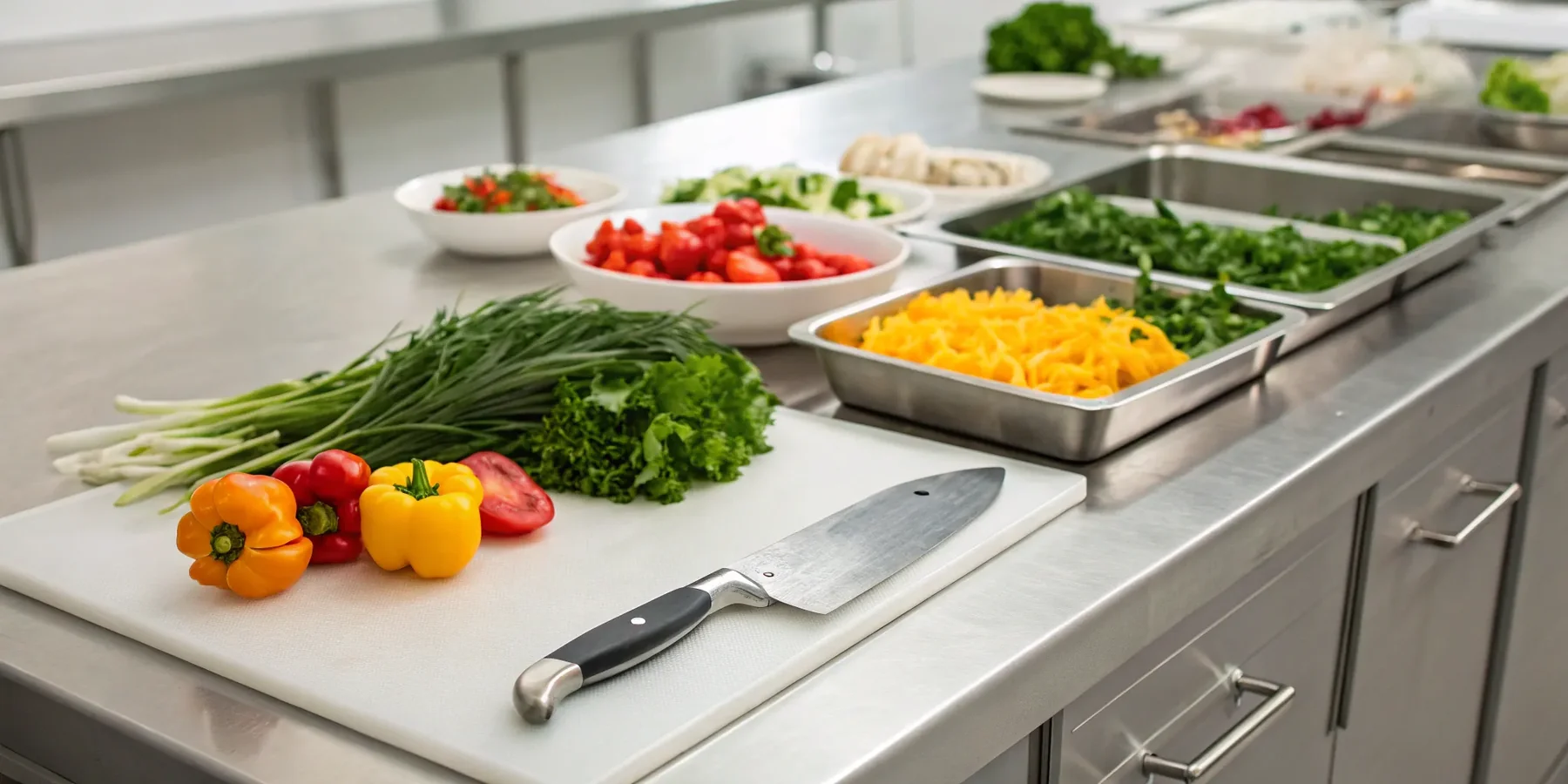
The Culinary Workbench

The Culinary Workbench

Best light · During ingredient preparation

Capture a top-down, high-angle shot of your prepared ingredients and colorful garnishes arranged on the workspace during a bento cooking class osaka.

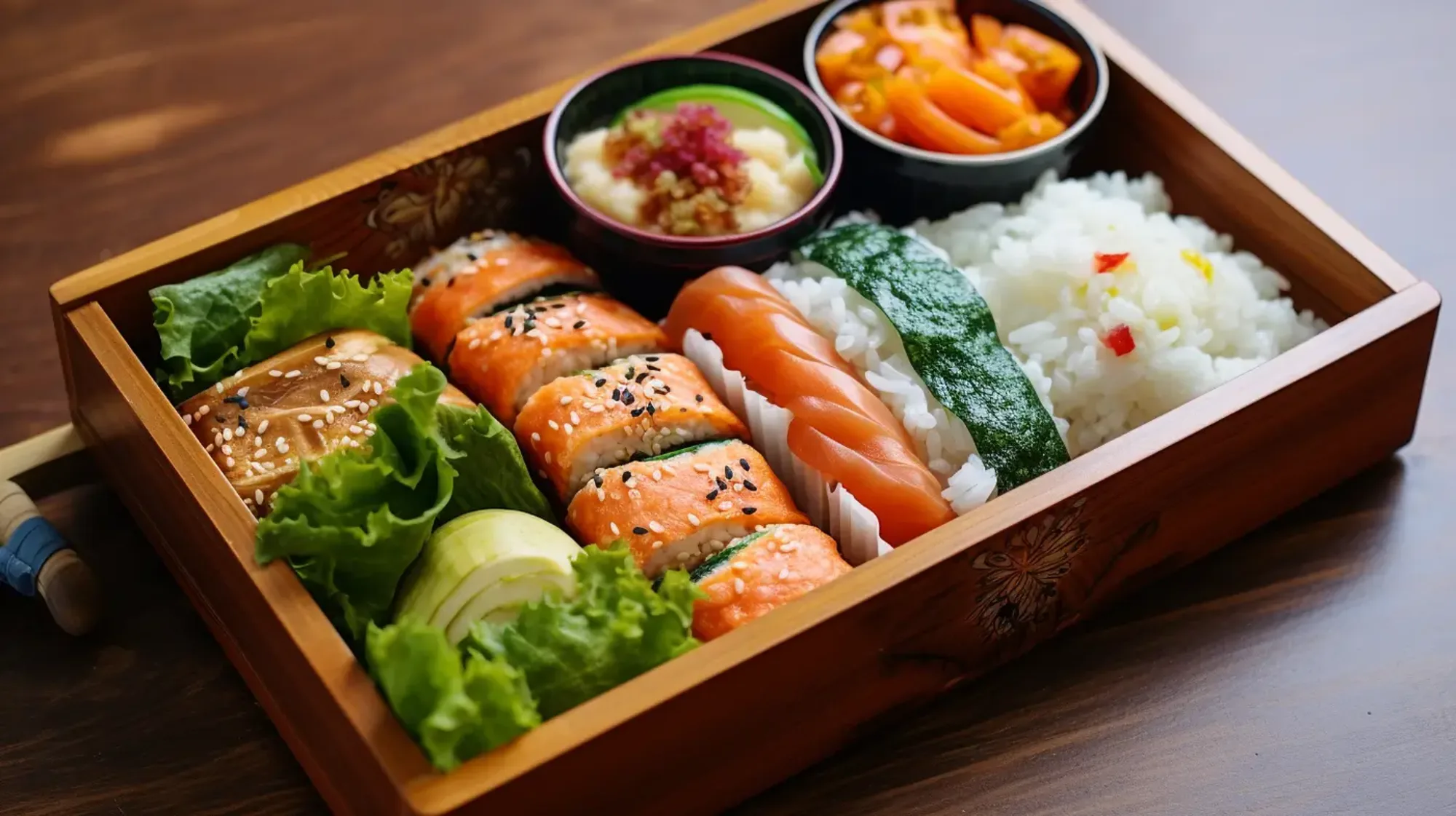
The Plating Station

The Plating Station

Best light · When meal assembly begins

Focus on the aesthetic arrangement of seasonal vegetables and proteins inside a traditional wooden box to showcase Japanese culinary arts.

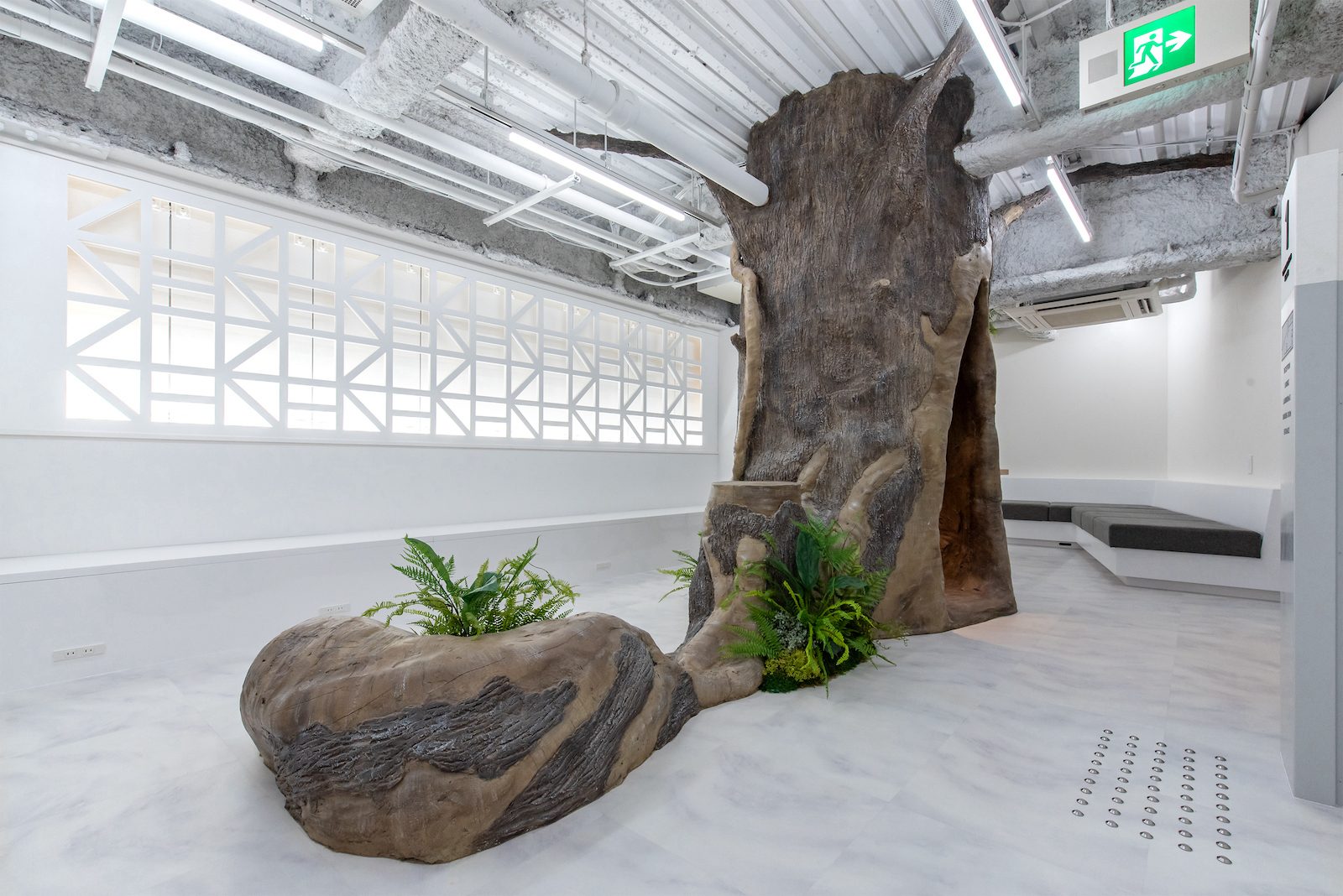
The Kitchen Entrance

The Kitchen Entrance

Best light · Before class begins

Shoot from the hallway looking into the bright, modern studio space to provide context for your Osaka cooking tour experience.

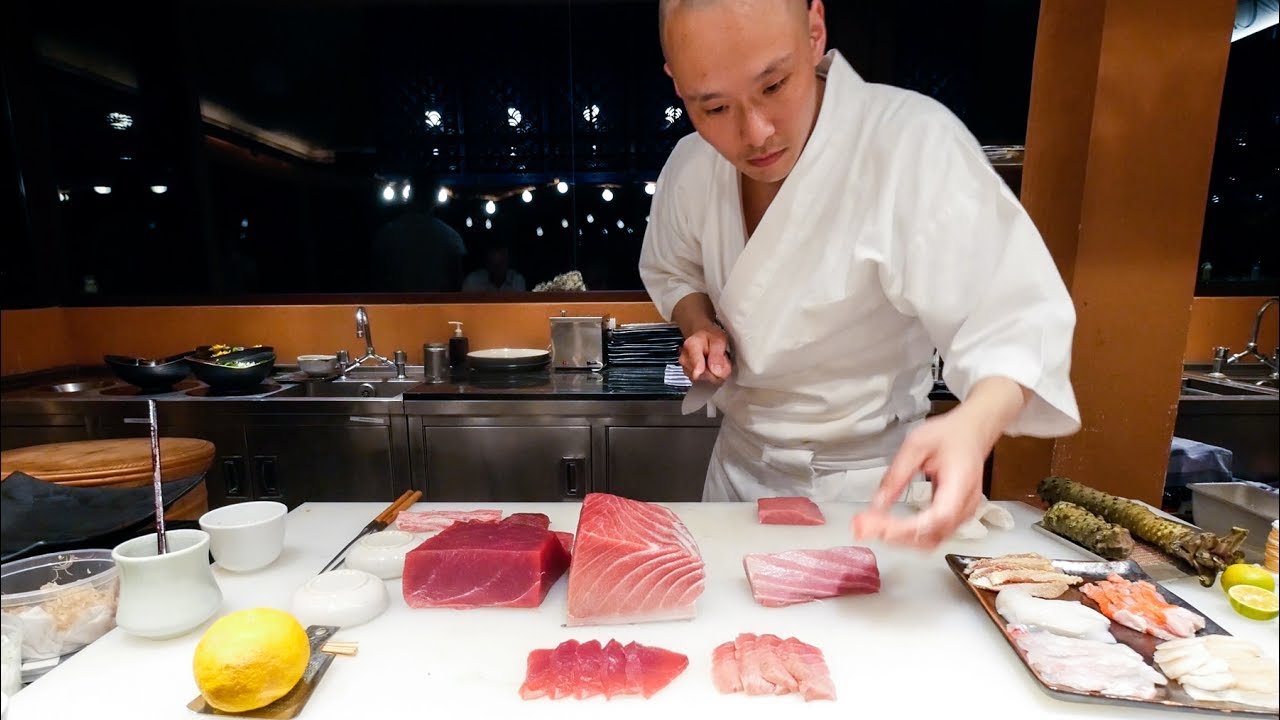
Chef Instruction Angle

Chef Instruction Angle

Best light · Mid-session

Frame the culinary instructor demonstrating precise knife skills or garnish techniques, providing a professional focus for your bento cooking class osaka tour photos.

Gallery

Moments from Bento Cooking Class Osaka

With kids

Family Logistics for a Bento Cooking Class Osaka

Participating in a bento cooking class osaka is a practical way for families to engage with Japanese culture while creating a delicious meal together. This hands-on Japanese Cooking Class provides an accessible environment where children can learn about local culinary traditions through active participation.

Stroller accessibility

The facility is located in a building with elevator access, though we recommend compact strollers as space in the kitchen can be limited for these bento cooking class osaka tours.

Best ages

While children of various ages can participate, those aged six and older typically gain the most from the hands-on instruction. Younger participants often enjoy the decorative aspects of assembling their bento boxes during the bento cooking class osaka tour.

Kitchen safety

Instructors closely supervise all knife work and heat-related activities to ensure a safe environment for all ages. Participants are guided through every step, making bento cooking class osaka tickets a great choice for a supervised family activity.

Pacing

The sessions are structured to be flexible, allowing families to move at a pace that suits younger learners. If you need a shorter session, please coordinate with staff when using your bento cooking class osaka tickets.

Food & drink

Dining Near Your Bento Cooking Class Osaka Location

The Kitahorie area surrounding your bento cooking class osaka session offers a sophisticated array of dining options perfect for expanding your culinary palate. Whether you seek artisanal coffee or authentic Japanese delicacies, these neighborhood spots complement your hands-on kitchen training.

Cafe & Dining Room Hoaloha

€€

Bistro — 3 min walk

A relaxed spot known for healthy lunch plates and seasonal ingredients that pair well with your upcoming bento cooking class osaka tours. Their vegetable-forward menu is ideal for a light pre-class meal.

FAQ

Bento Cooking Class Osaka — frequently asked questions

Everything you need to know for your journey

Around the corner

More to see near Bento Cooking Class Osaka

Utsubo Park

8 min

park

Large green space perfect for a post-class stroll. Known for rose gardens and local relaxation.

Amerikamura

10 min

landmark

A hub for youth culture and unique fashion. Offers a contrast to the calm cooking studio.

Orix Theater

5 min

landmark

Prominent cultural venue hosting various performances. A central architectural landmark in the area.

Nanba Yasaka Shrine

15 min

landmark

Famous for its giant lion-shaped stage. A striking visual landmark near the district.

Where to stay

Where to stay near Bento Cooking Class Osaka

Cross Hotel Osaka

15 min

luxury

Hotel Nikko Osaka

12 min

luxury

Tokyu Stay Osaka

10 min

mid-range

Capsule Hotel Asahi

14 min

budget

Ready for Adventure?

Join thousands of happy travelers who have discovered this incredible experience

Book Your Experience Now