2 hr
Ramen & Gyoza Cooking Class in Namba
- Entry ticket
- Mobile voucher
- Valid same day
- Free cancellation
Osaka Street Food Cooking Class — Ramen, Gyoza & Okonomiyaki
Master the soul food of Naniwa Ward, roll your first dumpling in Namba's culinary heart
Compare fares, pick the fit — all bookings are mobile-voucher and eligible for free cancellation where shown.
2 hr
2 hr 30 min
4 hr
Selecting the right osaka street food cooking class helps you master traditional Japanese culinary techniques. Whether you prefer a comprehensive market visit or a focused studio session, these Japanese Cooking Class options provide hands-on instruction in a professional setting.
| Standard Session Without Market Tour |
Top pick Market Immersion With Market Tour |
|
|---|---|---|
| Market Tour Included | — | |
| Primary Dish Focus | Takoyaki and Okonomiyaki | Assorted Street Snacks |
| Total Duration | 2.5 Hours | 4 Hours |
| Skill Level | Beginner | Beginner to Intermediate |
| Best for | Time-sensitive travelers | Cultural enthusiasts |
| See tickets & prices |
Verdict: For a complete cultural experience, we recommend the osaka street food cooking class tour that features a guided market exploration.
Worth it for hands-on learners and culture seekers
At 9,500 JPY per person, an osaka street food cooking class delivers measurable value through skill transfer and cultural immersion that standard restaurant visits cannot match. The bookable sessions—ranging from ramen and gyoza workshops in Namba to okonomiyaki classes paired with Kuromon Market visits—teach replicable techniques under the guidance of local instructors who explain ingredient selection, heat control, and regional variations. Unlike passive dining, you leave with recipes and muscle memory for dishes like katsu curry, bento composition, or soul food staples. The market-inclusive options add sourcing context that deepens understanding of Osaka's food economy. For travelers prioritizing experiential learning over convenience, the time investment and base fee translate into portable culinary skills and direct engagement with Japanese home cooking traditions. Those seeking efficient meals or unwilling to spend two to three hours in a teaching kitchen will find better value elsewhere, but learners gain far more than a single dish—they acquire a repeatable framework for Japanese cooking that outlasts the trip itself.
Bottom line: Osaka street food cooking class tours offer strong returns for active learners who value skill acquisition and cultural depth over passive consumption.
They complement each other; most visitors who do both call the professional studio setting more consistent for technique, while an osaka street food cooking class offers a more localized, immersive vibe.
|
Top pick Osaka Street Food Cooking Class |
Cooking Sun Studio | |
|---|---|---|
| Setting | Local home or informal kitchen | Dedicated professional studio |
| Typical Menu | Street snacks like takoyaki | Structured sushi or ramen |
| Experience Level | Casual and social focus | Skill-based instructional focus |
| Class Duration | 1.5–3 hours | 3 hours fixed |
| Group Size | Small group intimacy | Variable group sizes |
| Teacher Style | Local host/home cook | Professional culinary instructor |
| Booking Flexibility | High (platform-based) | Scheduled by appointment |
| See tickets & prices |
Verdict: Choose the osaka street food cooking class if you want a relaxed, authentic atmosphere, or select the Cooking Sun tour if you prioritize professional equipment and refined culinary training.
Hand-picked experiences loved by thousands of travelers
2.5 hours
Free Cancellation
Cook authentic Japanese street food after exploring local markets with a guide near Tenmangu Shrine
2 hours 30 minutes
Free Cancellation
Cook authentic Japanese dishes and explore local shops in a hands-on culinary adventure in Osaka.
2.5 hours
Free Cancellation
Craft authentic Japanese noodles and dumplings in a local studio near Shinsaibashi
2.5 hours
Free Cancellation
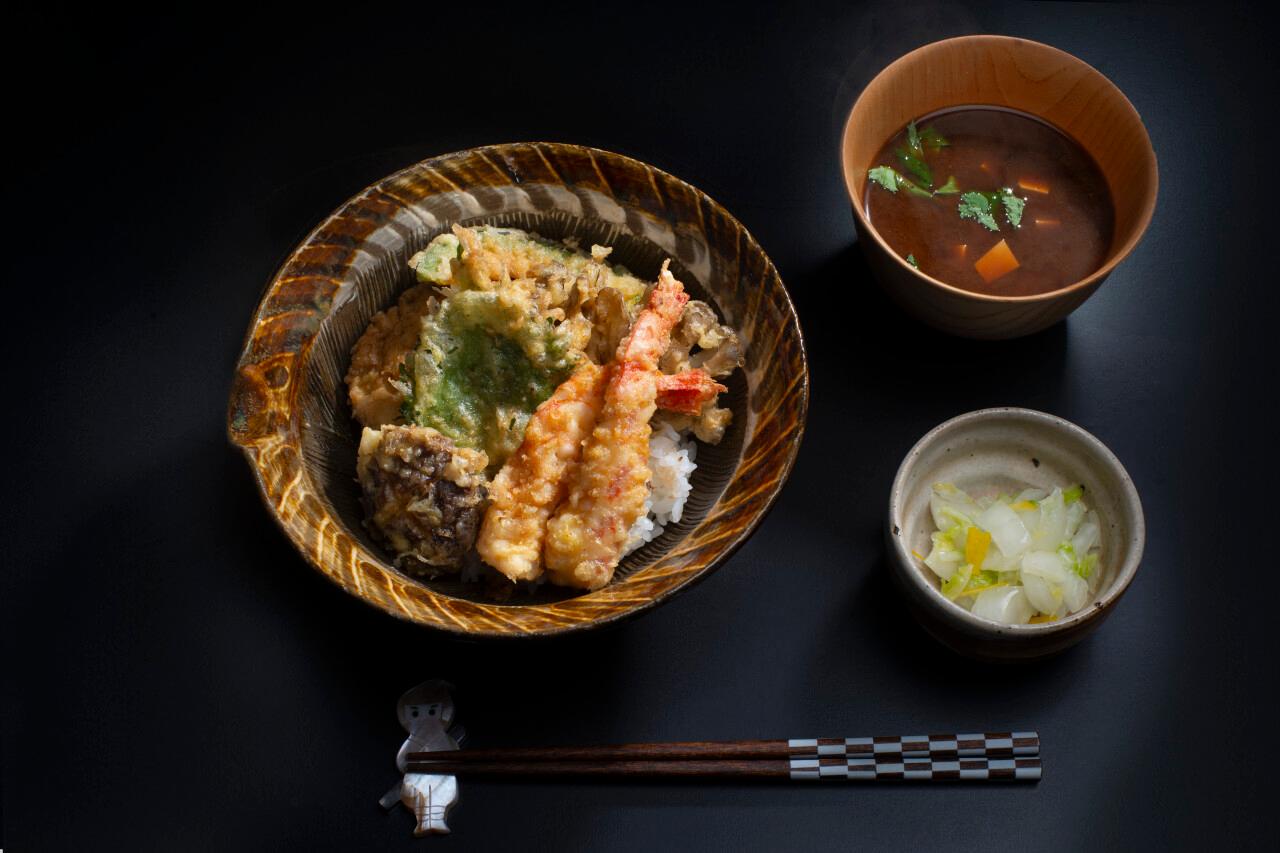
Master authentic tempura and hand-shaved bonito miso in an intimate class with a Michelin-trained chef
2 hours 30 minutes
Free Cancellation
Explore a neighborhood shopping street, then cook your favorite Japanese dish with expert bilingual guides.
2 hours
Free Cancellation
Master three iconic Japanese dishes in a hands-on culinary workshop led by a local chef
2.5 hours
Free Cancellation
Learn to craft authentic Japanese dumplings from dough to filling in an intimate hands-on workshop.
2 hours 30 minutes
Free Cancellation
Learn authentic Japanese recipes in a local kitchen with up to 5 guests and your Osaka-born host
Meet the host and learn about regional ingredients.
Watch professional techniques for local staples.
Prepare your own dishes under guidance.
Enjoy the meal prepared during the class.
You arrive at the studio entrance on Shiokusa 1-chome by 09:30, third floor of a narrow building wedged between a convenience store and a ramen counter that's been running since 1987.
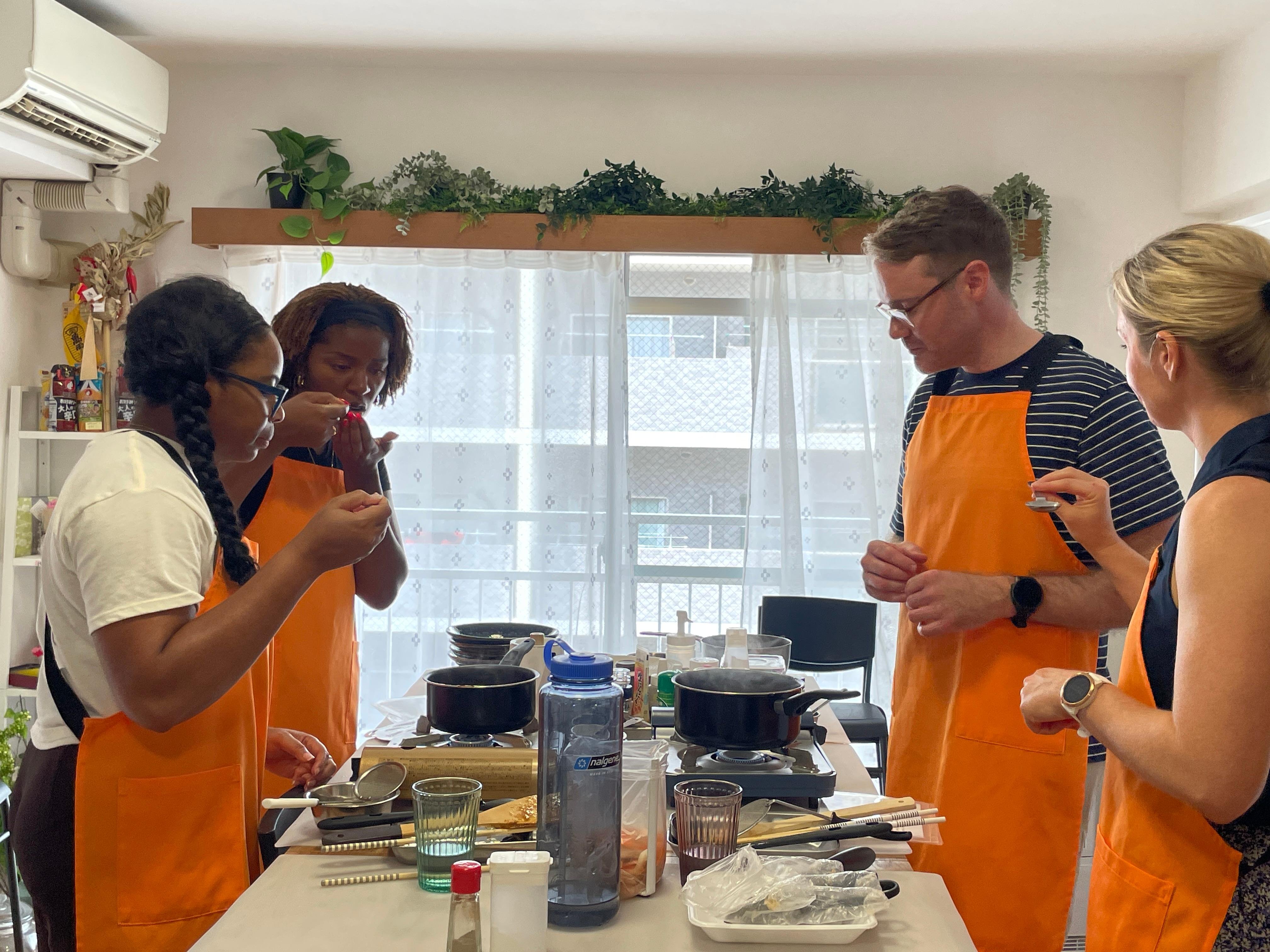
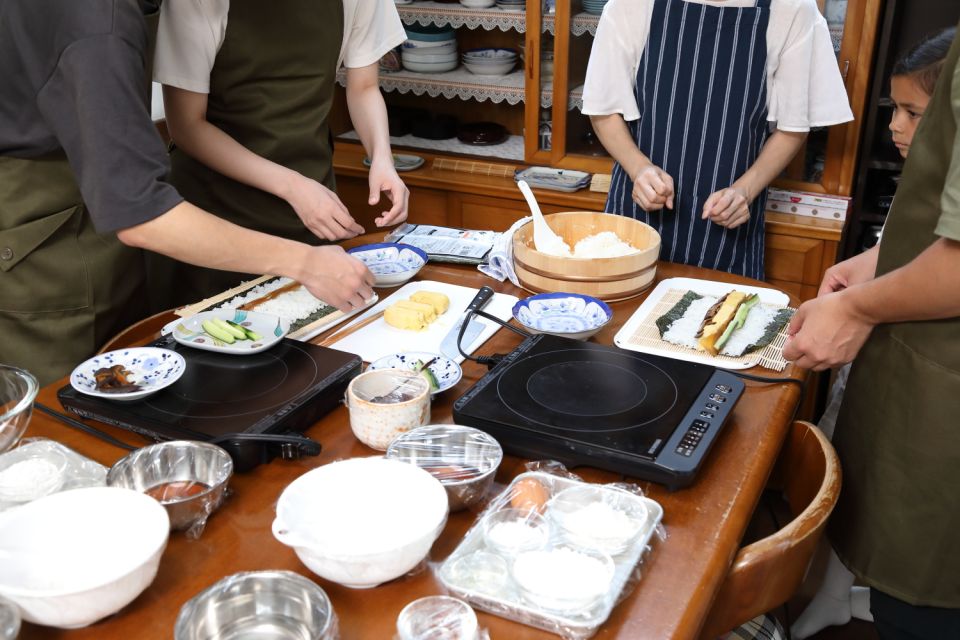
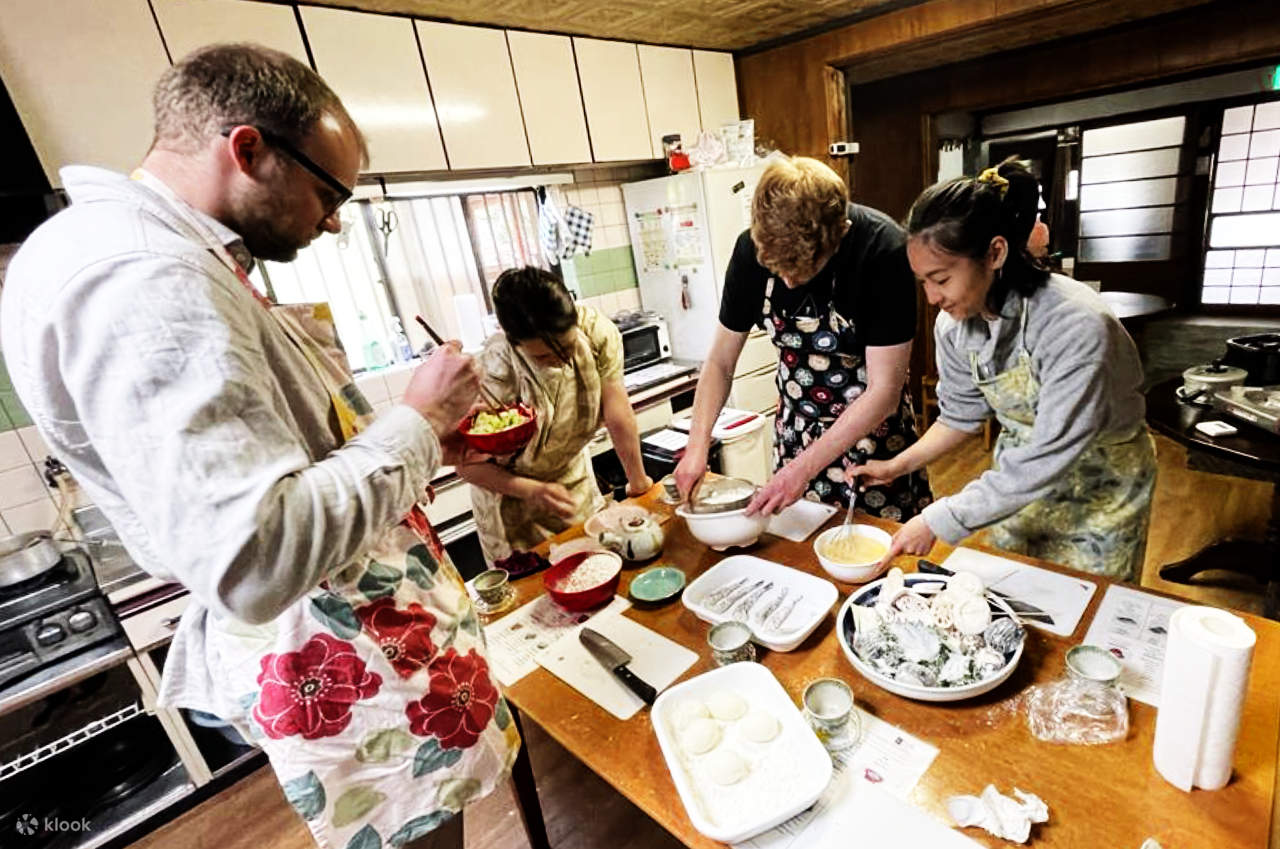
The instructor meets you at the door, hands you a pressed linen apron, and walks you to a stainless-steel prep station where ingredients wait in glass bowls labeled in both Japanese and English.
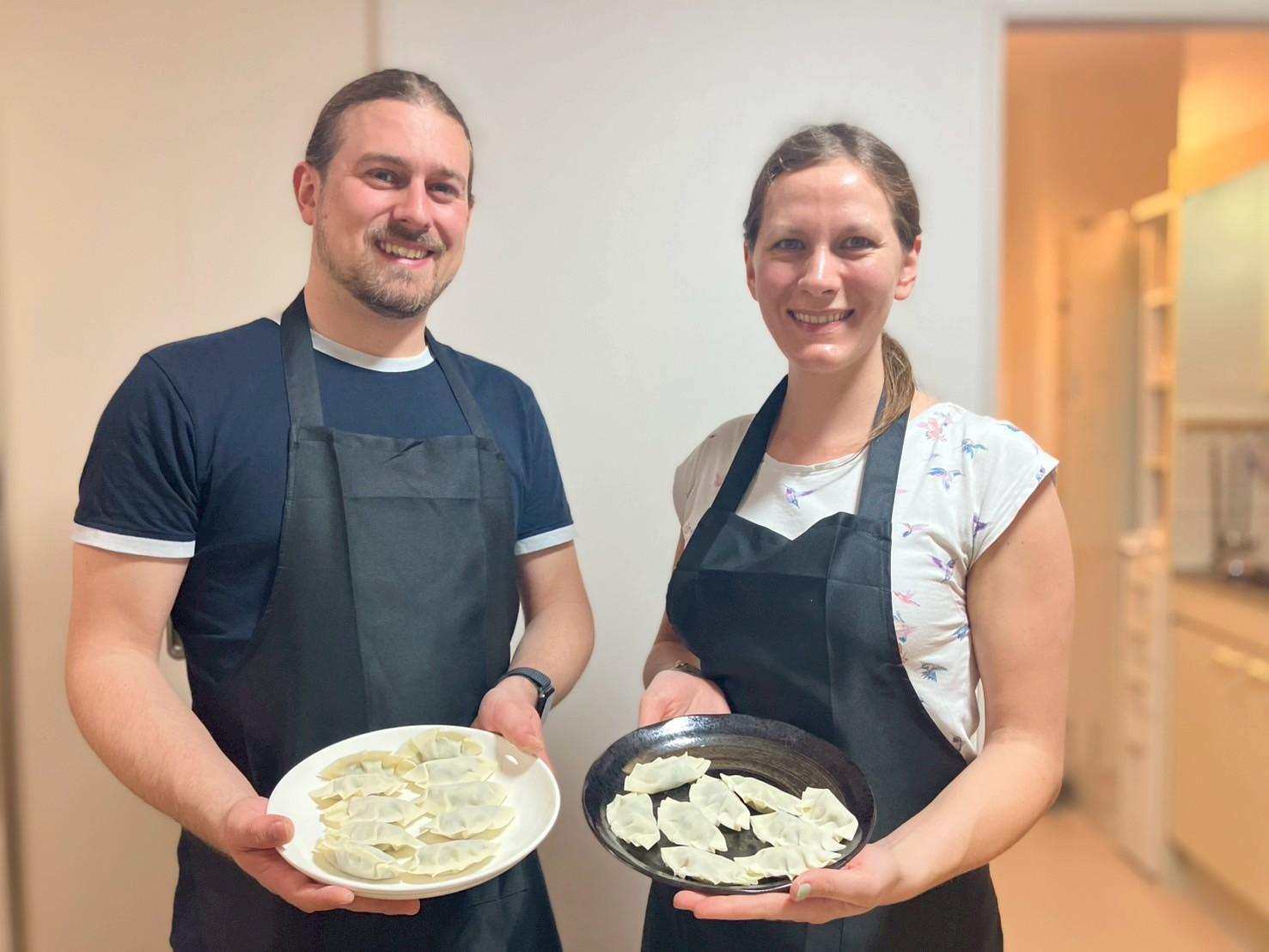
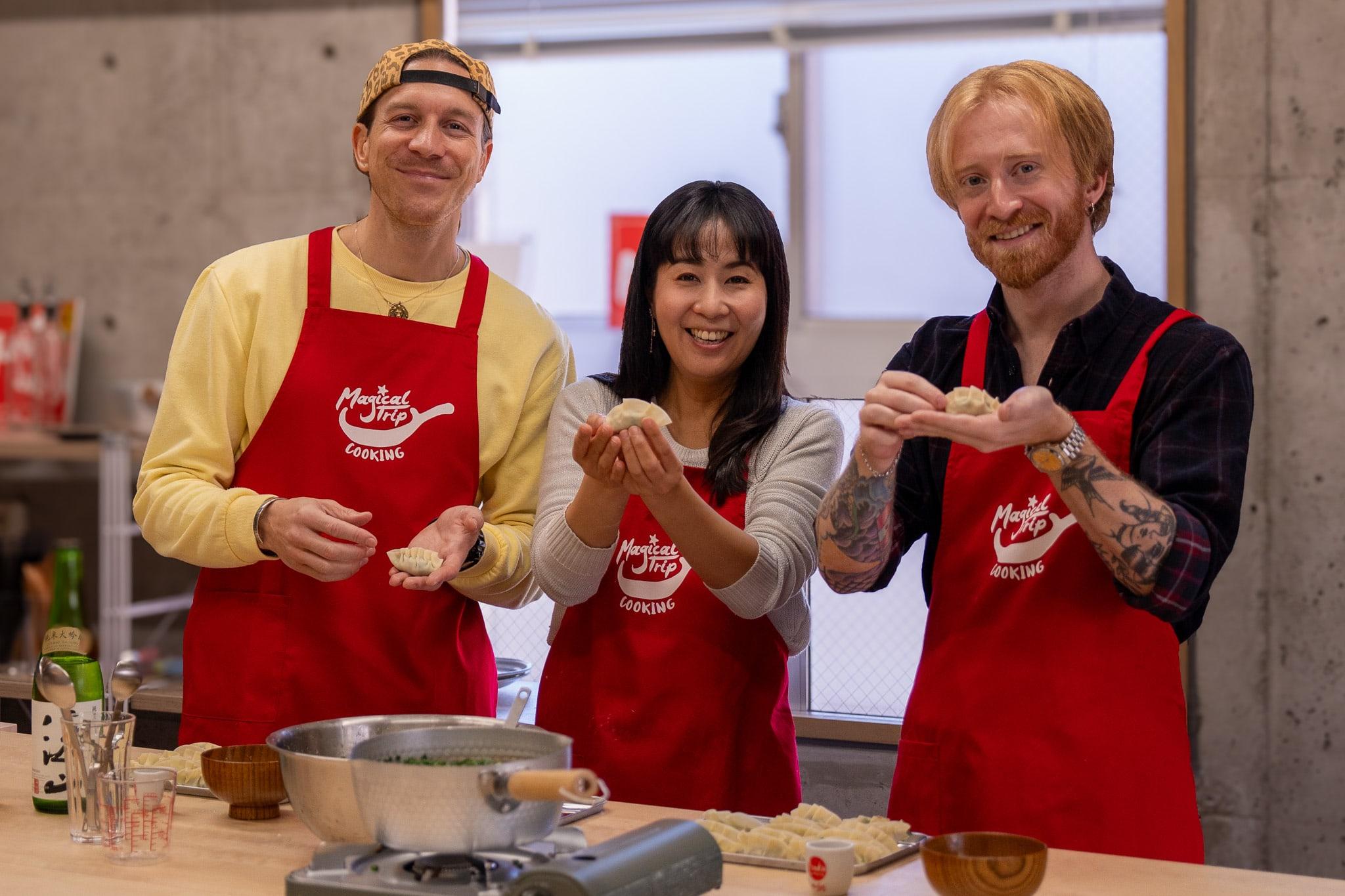
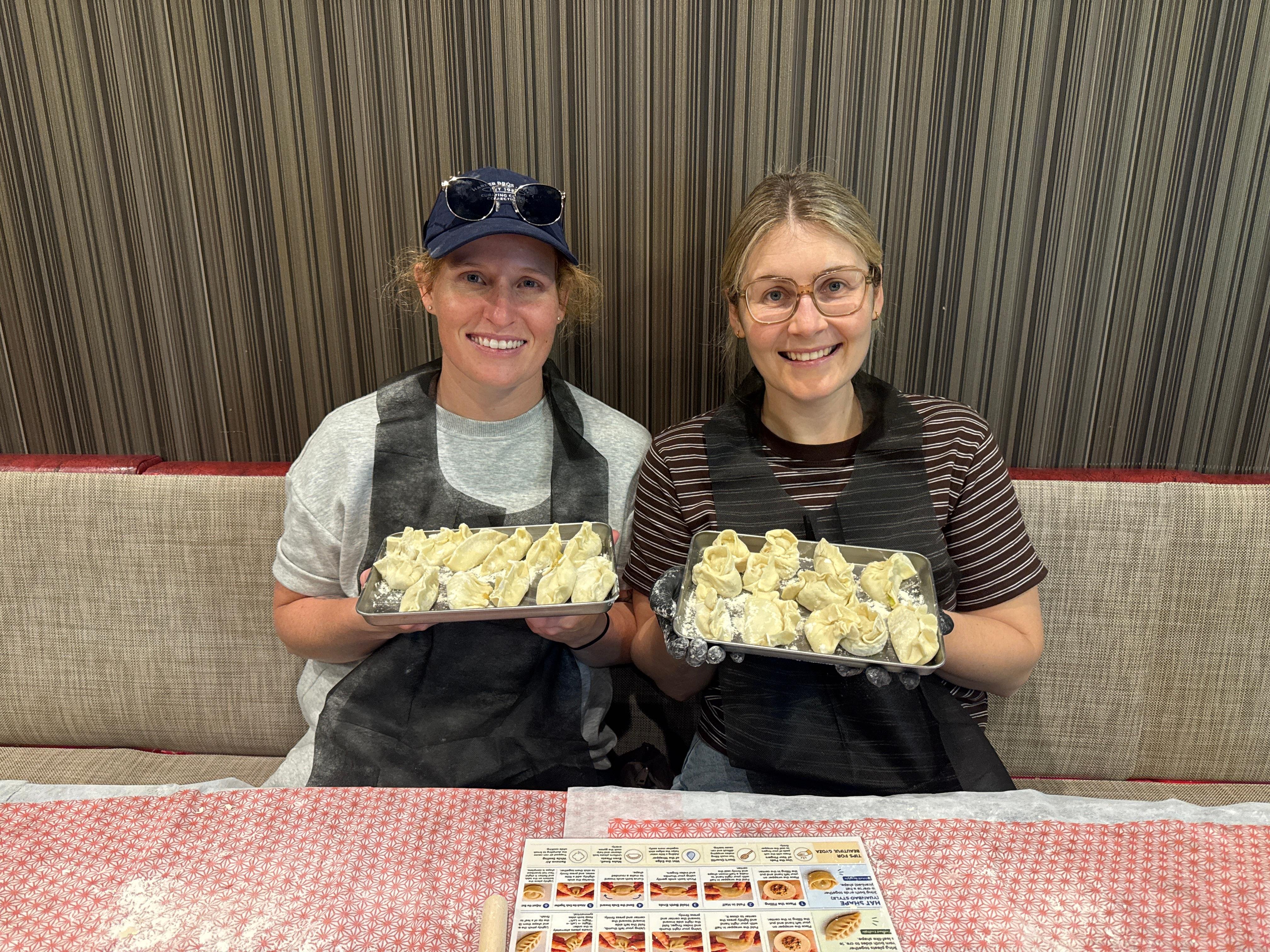
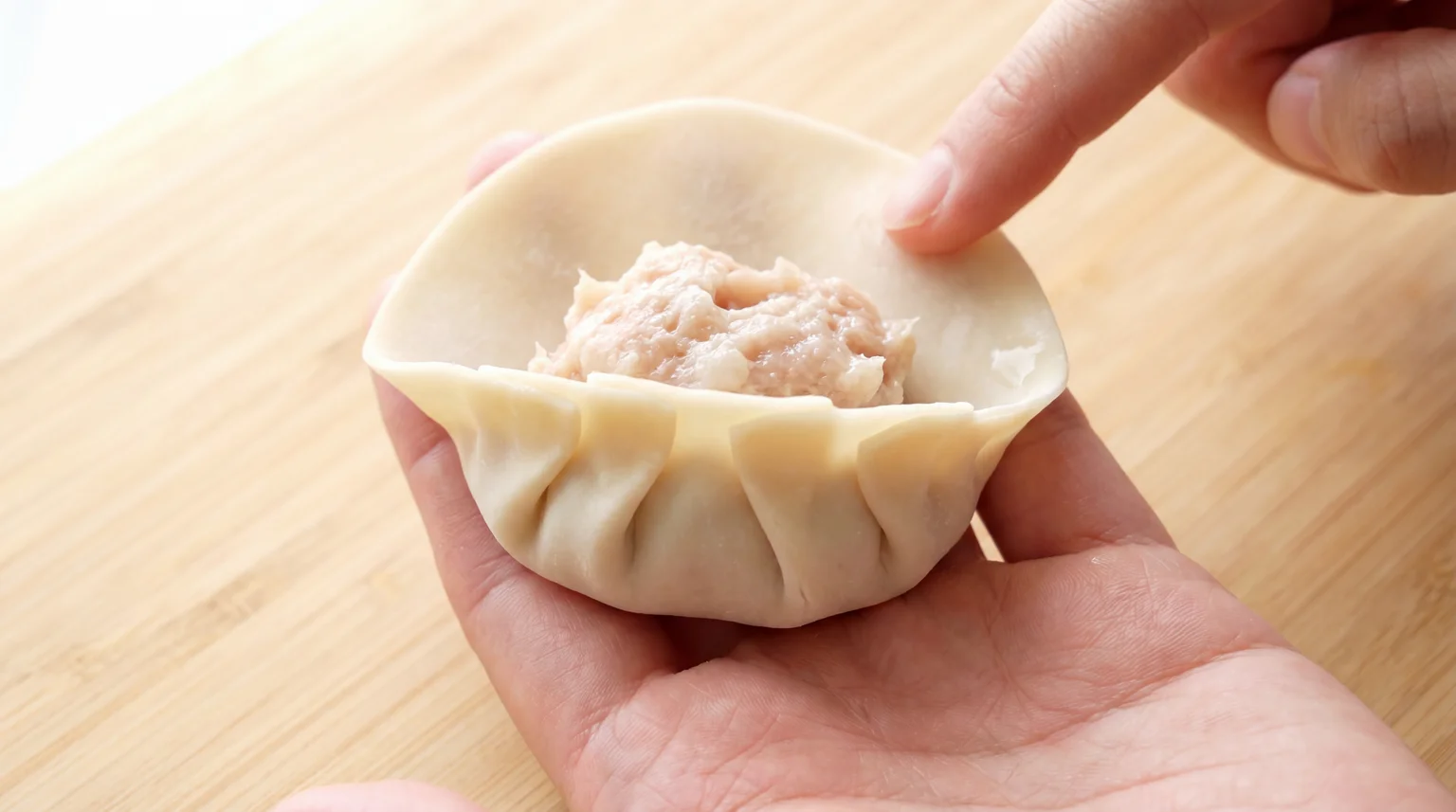
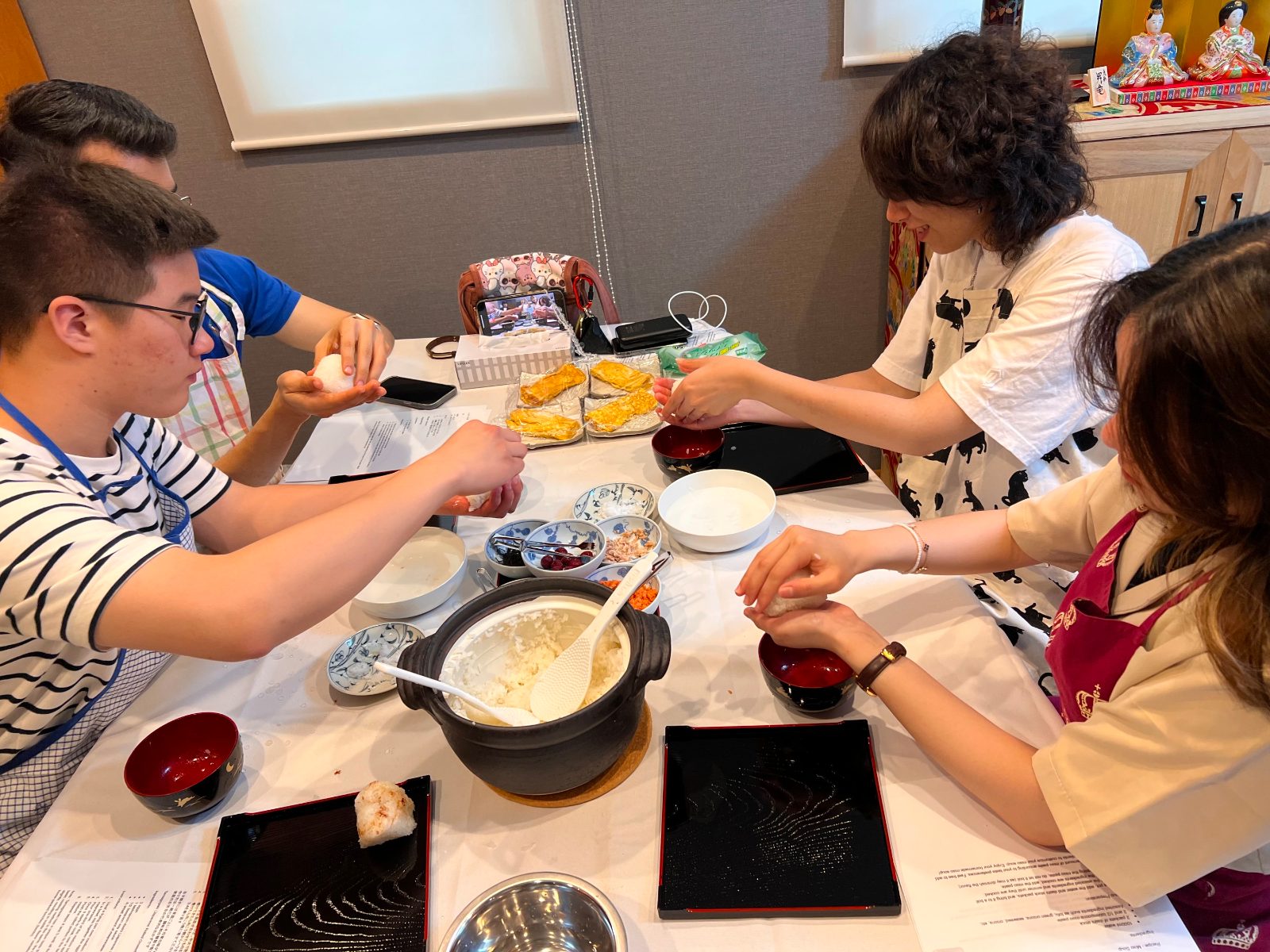
If you've booked the ramen and gyoza session, you begin by mixing wheat flour and water in a ceramic basin, kneading the dough until it no longer sticks to your palms. The instructor demonstrates how to roll the dough paper-thin using a wooden dowel, then cuts it into circles with a ring mold. You spoon filling into each wrapper—ground pork, garlic chives, ginger, sesame oil—and crimp the edges in a pleated half-moon that takes four tries before the folds hold. Thirty dumplings later, you move to the stovetop to pan-fry them in a cast-iron skillet, listening for the hiss that signals the bottoms have turned golden.
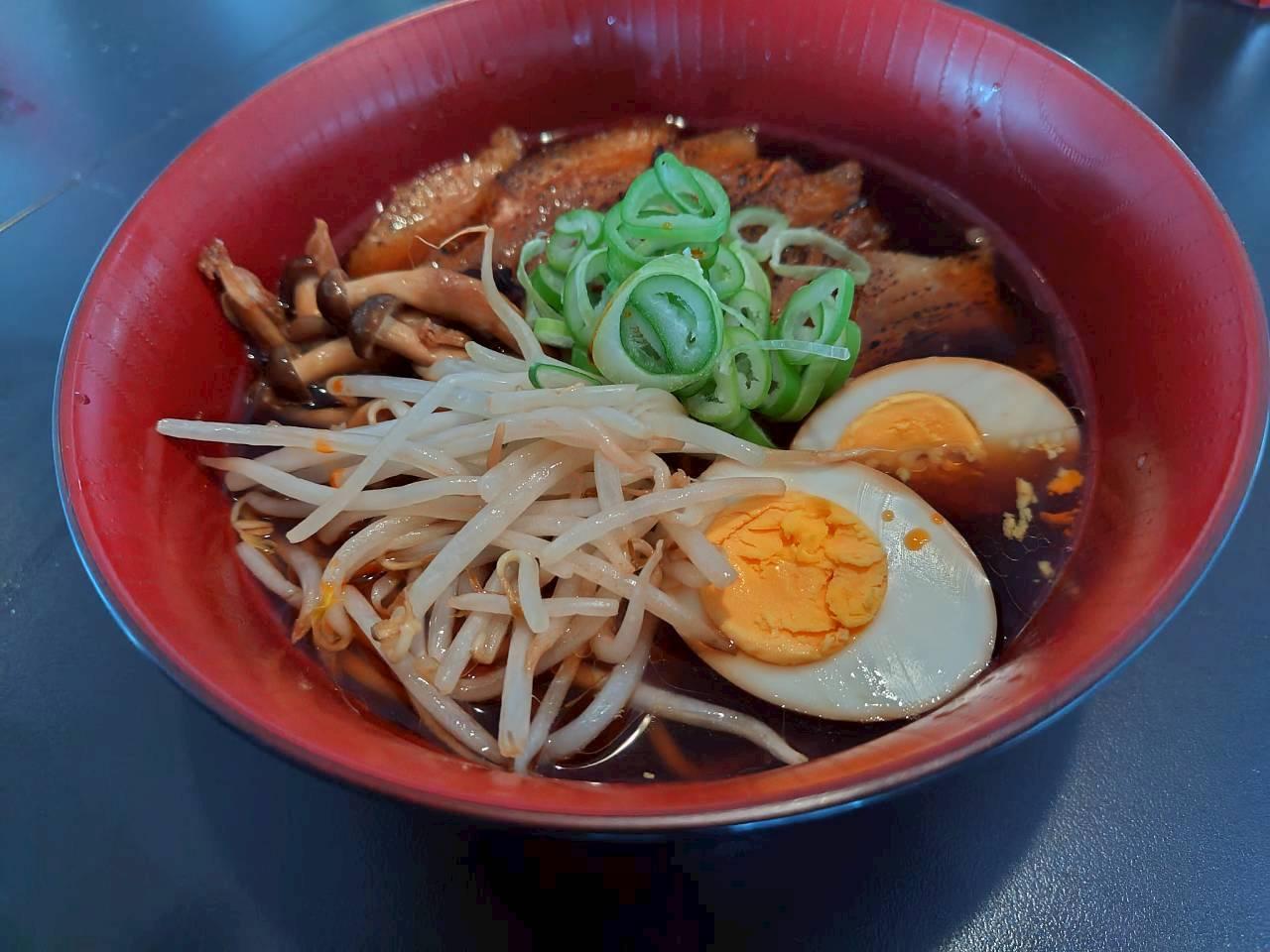
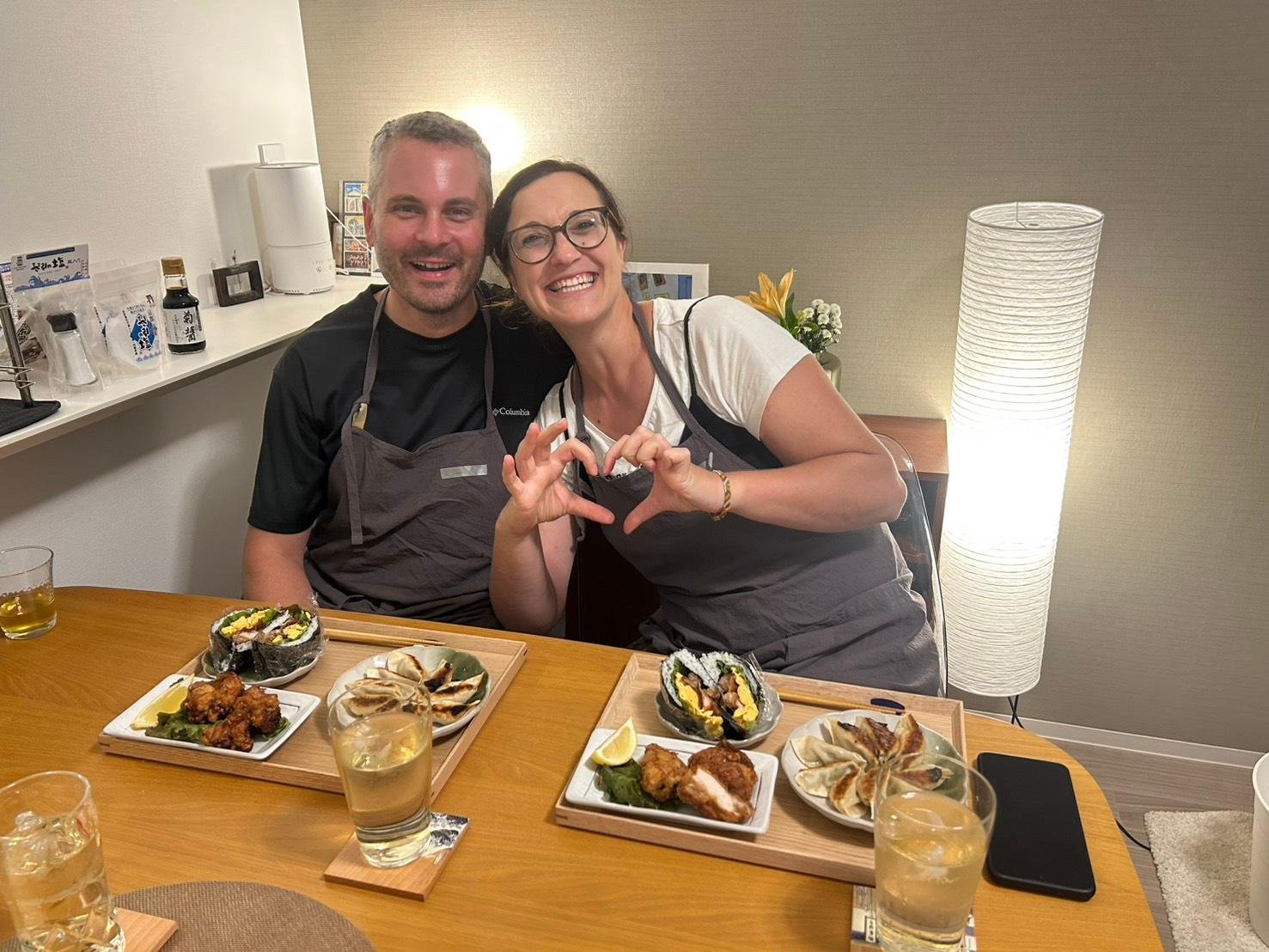
Ramen broth simmers in a stockpot behind you, reduced from kombu, pork bones, and dried anchovies over two hours before your arrival. You taste it with a wooden spoon, adjust the salt, then ladle it over fresh noodles in a ceramic bowl. The instructor shows you how to arrange the toppings—braised chashu pork, soft-boiled egg, nori, menma bamboo shoots—in a radial pattern. At noon you sit down to eat everything you've made, the gyoza still warm enough to burn the roof of your mouth.
All the details about your upcoming adventure in one place
Naniwa Ward's cooking studios opened their doors to international visitors in 2019, converting century-old machiya townhouses and fifth-floor walk-ups into working kitchens where flour still dusts the tatami and dashi stock simmers at dawn.
The district's culinary identity crystallized in the postwar decades when Osaka earned its nickname *kuidaore no machi*—the city that eats itself bankrupt—and street vendors perfected recipes now codified in cooking school syllabi from Shiokusa to Nipponbashi.
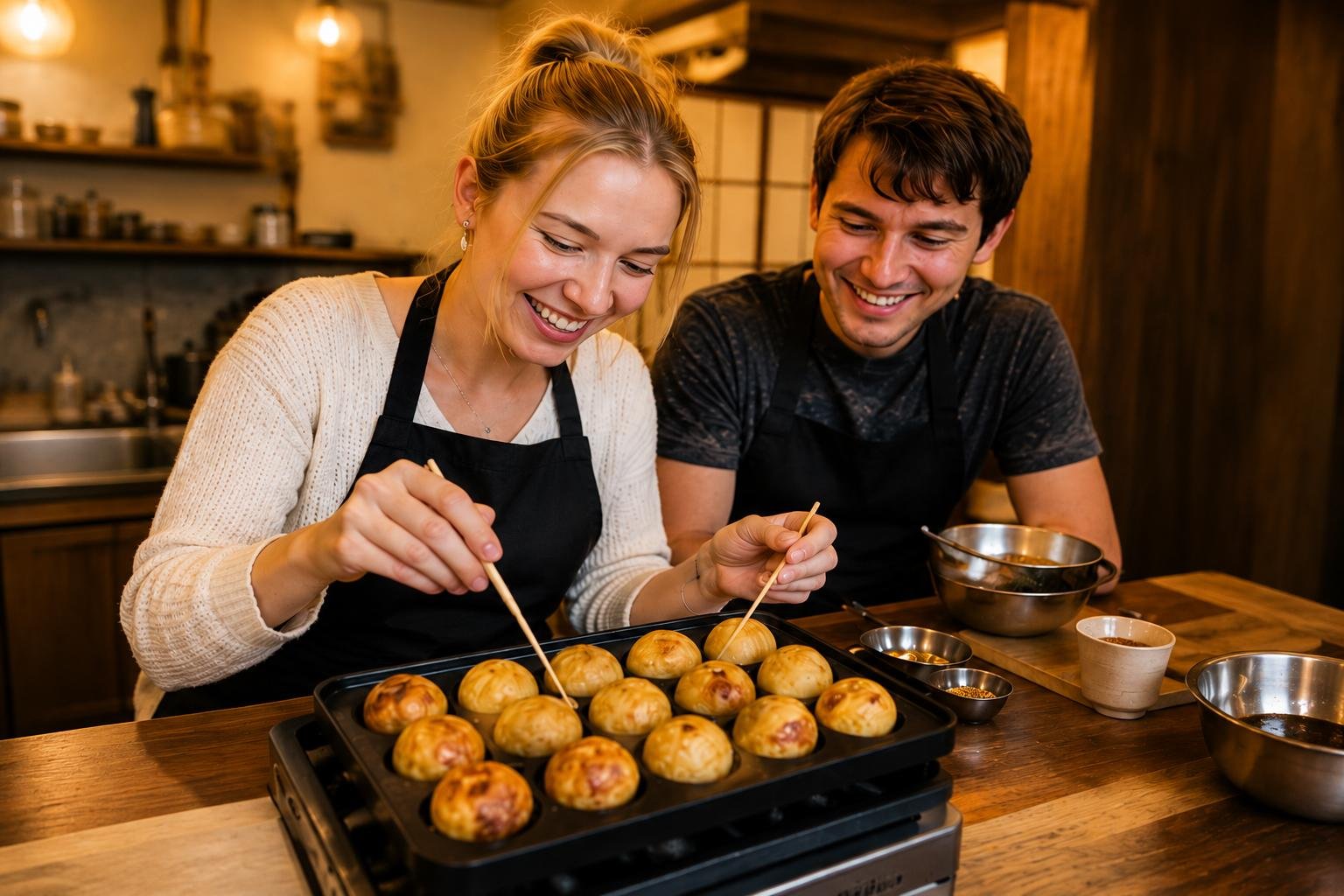
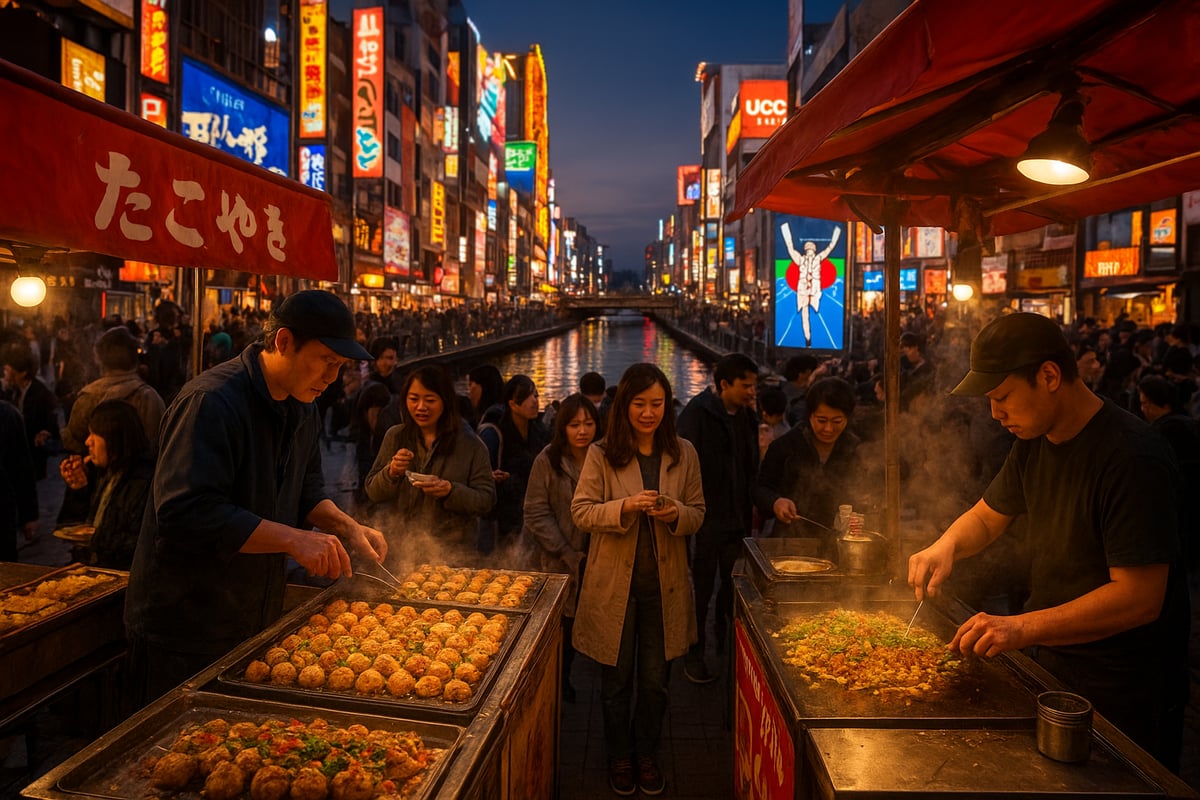
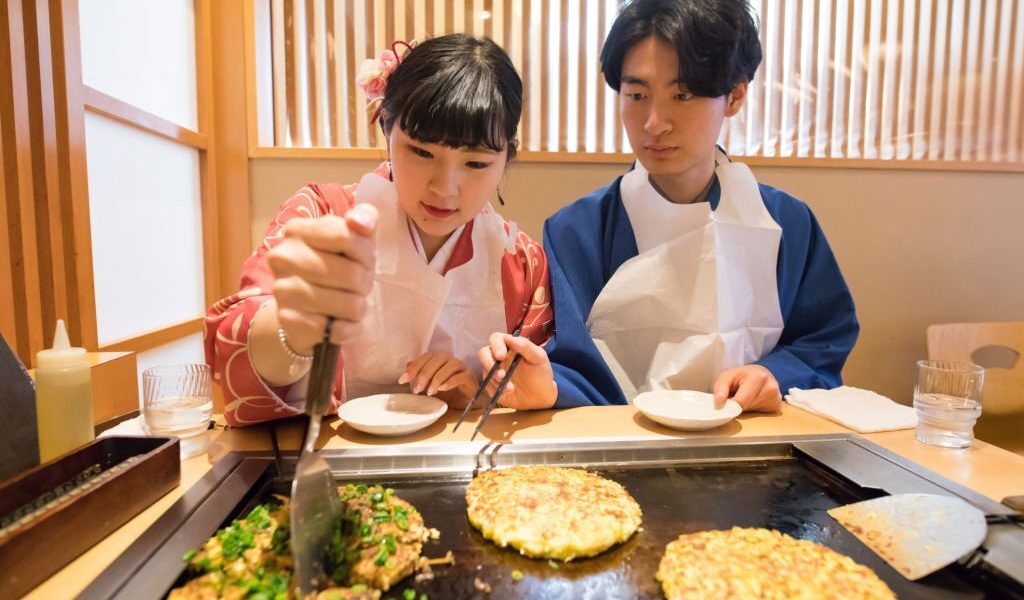
An osaka street food cooking class in this quarter grants access to techniques developed across three generations of *yatai* stall culture. Ramen broth begins with kombu and bonito flakes steeped at precise temperatures; gyoza wrappers require seventeen folds to seal the chive-pork filling against steam; okonomiyaki batter ratio of flour to yamaimo yam determines whether the finished pancake holds its shape on the griddle or collapses into mush. Instructors demonstrate the wrist angle for tossing takoyaki in cast-iron molds and the timing required to caramelize the surface without scorching the octopus core. Each session runs between two and four hours, structured around a single iconic dish or a paired menu that moves from appetizer to main.
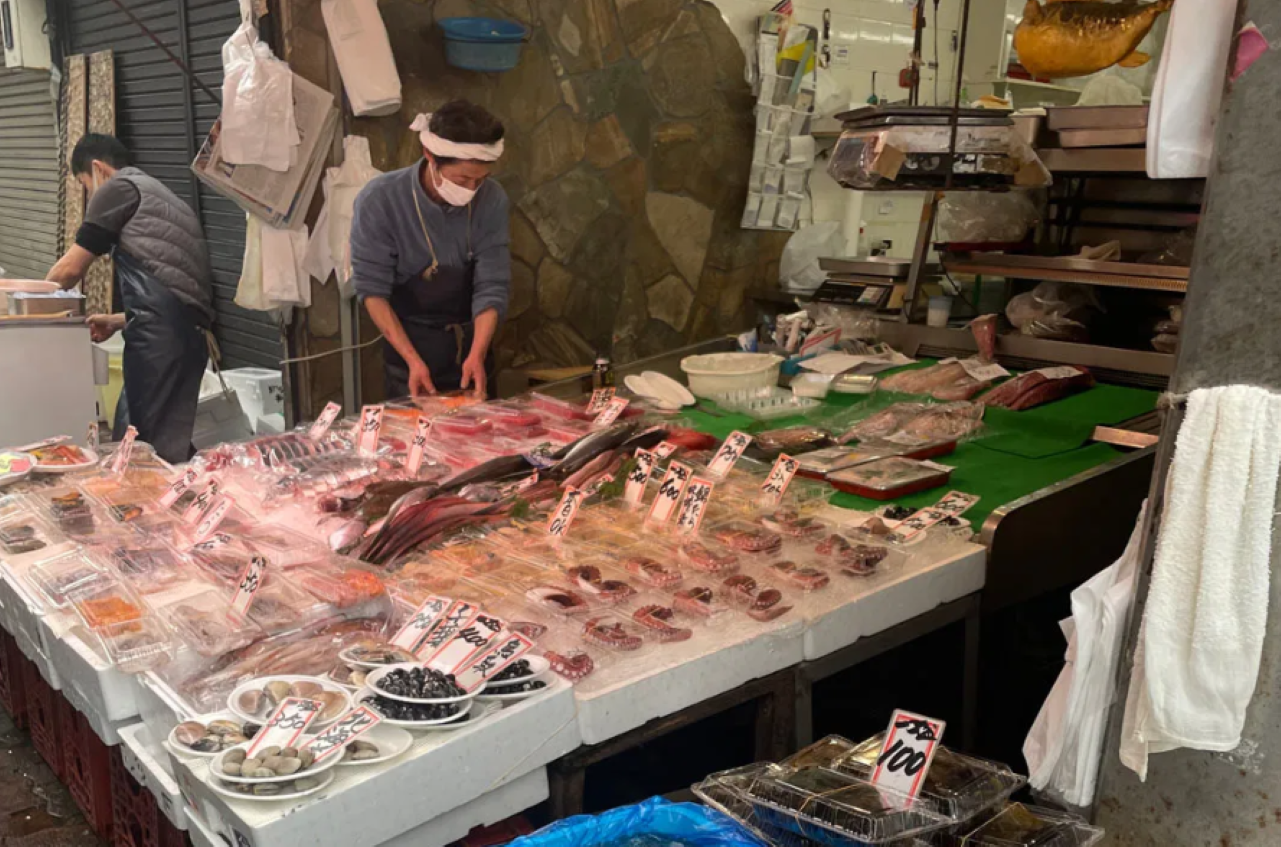
The culinary workshops occupy addresses within three blocks of Namba Station, where foot traffic peaks at lunch and again after seven when office workers queue for standing-room counters. Studios source ingredients from Kuromon Ichiba Market—the same morning vendors who supply Michelin-starred kaiseki restaurants also sell daikon and negi to home cooks by the bunch. Some osaka street food cooking class tours open with a guided market walk at 09:30, letting participants select produce and protein before returning to the studio to prep. Others begin directly at stovetop, ingredients pre-measured and labeled in the French *mise en place* tradition adapted to Japanese home cooking.
Participants leave with printed recipe cards scaled for four servings and a working knowledge of where to source katsuobushi and usukuchi soy sauce outside Japan. The base rate of 9,500 yen per person includes all ingredients, equipment use, and a plated lunch of the dishes prepared during the session. Group bookings accommodate between two and eight participants; solo travelers join shared-date sessions scheduled six days a week year-round.
Flour still dusts the tatami and dashi stock simmers at dawn.
Casual, comfortable clothing is recommended for an osaka street food cooking class. Avoid loose sleeves or dangling jewelry that could interfere with kitchen safety.
Large luggage should be stored at your accommodation as space within the Japanese Cooking Class facility is limited. Standard security procedures apply to all visitors.
Photography is generally permitted during your osaka street food cooking class tour, provided it does not disrupt the instructor or other participants. Please ask your host before capturing video of demonstrations.
Families are welcome to join an osaka street food cooking class, though supervision is required for younger participants. Please confirm child-friendly options during the booking process.
The facility hosting the osaka street food cooking class aims to accommodate all guests. Please notify the office of any mobility requirements prior to your visit.
Participants will consume the items prepared during the osaka street food cooking class. Outside food and beverages are not permitted inside the kitchen area.
Operating Hours
09:30–16:30
Address
Shiokusa 1 Chome-2-4, Naniwa Ward, Osaka, 556-0024, Japan
Facility Access
Contact in advance for mobility needs
Best Arrival
09:30–16:30
Storage
Limited space available
Location
Naniwa Ward central district
Public transport · 10 mins · Low cost
Take the JR Loop Line to Ashiharabashi Station, then walk 5 minutes. The facility is located at Shiokusa 1 Chome-2-4.
Taxi · 20 mins · Variable
Request a drop-off at the Shiokusa address in Naniwa Ward. Ensure your driver has the map destination.
Cancellations must be made within the provider's stated window to be eligible for a refund. Please note the base rate of 9,500 JPY per person may vary based on your specific booking.
Recommended time
3-4 hours
Because sessions are held by appointment, your osaka street food cooking class experience requires punctual arrival to ensure a smooth transition into hands-on culinary instruction. These osaka street food cooking class tours typically last several hours, covering ingredient preparation and the cooking process, so allocate extra time for potential post-class Q&A sessions. While the facility maintains consistent density due to scheduled bookings, choosing osaka street food cooking class tickets for morning sessions often provides a more focused environment for mastering these traditional recipes.
Crowd levels through the day
Weather · crowds · average price — dots go green to amber to red as each metric rises.
Mild temperatures make walking to the facility pleasant. Early booking is advised as this season is popular for an osaka street food cooking class.
Expect humid weather; classes are held in an air-conditioned environment. July and August are peak months for local festivals.
Cooler air makes this an ideal time for an osaka street food cooking class. September and October offer stable weather for travel.
Indoor activities like a Japanese Cooking Class provide a warm escape. January and February are generally quieter for visitors.
Classes fill up quickly, so secure your osaka street food cooking class tickets early. Check the official site for real-time availability.
You will be standing for much of the session, so choose supportive footwear. This ensures comfort while mastering your osaka street food cooking class skills.
Plan to arrive at the 09:30–16:30 window to settle in. Late arrivals may disrupt the flow of the session.
Inform the operator of any allergies before your osaka street food cooking class tour. They can often accommodate specific needs with prior warning.
Shiokusa 1 Chome-2-4, Naniwa Ward
Located in Naniwa Ward near central Osaka
Get directionsOsaka's street food culture traces its roots to the Edo period, when the city earned its nickname "tenka no daidokoro"—the nation's kitchen. By the 1650s, Osaka controlled Japan's rice markets and hosted merchants who demanded quick, affordable meals between transactions. Vendors clustered near Dōtonbori and the port districts, frying batter-based snacks over portable charcoal grills. Takoyaki emerged in 1935 when Tomekichi Endo adapted akashiyaki, replacing the dashi broth with a thicker batter and adding pickled ginger. His Aizuya stall in Nishiku became the template for thousands of replicas. Okonomiyaki evolved from wartime necessity: when rice rations tightened in 1945, cooks stretched wheat flour with cabbage and scallions, griddling the mixture on teppan plates scavenged from factory canteens. The dish gained its layered structure in the 1950s as pork and seafood returned to markets. Structured osaka street food cooking class sessions began in the early 2000s when Osaka's tourism bureau partnered with veteran street vendors to codify techniques for international visitors. The first classes focused on takoyaki, teaching the wrist-flick motion required to rotate each ball inside its mold. Okonomiyaki instruction followed, emphasizing batter hydration and the sequence of toppings. By 2010, cooking schools near Kuromon Market offered half-day workshops that combined ingredient sourcing with hands-on preparation. The 2015 launch of Cooking Sun formalized the osaka street food cooking class model, offering English-language instruction in a purpose-built kitchen in Naniwa Ward. Classes now include kushikatsu—panko-crusted skewers fried in lard—and yakisoba, both staples of Shinsekai district stalls since the 1920s. The curriculum preserves Edo-era techniques: dashi preparation from konbu and bonito, batter ratios passed down through three generations, and the communal plating rituals that defined Osaka's merchant culture.
Osaka's port merchants create demand for fast, portable street snacks sold near Dōtonbori.
Tomekichi Endo opens Aizuya in Nishiku, inventing takoyaki by adapting akashiyaki with thicker batter.
Okonomiyaki evolves from wartime flour-and-cabbage necessity into a layered teppan dish.
Kushikatsu and yakisoba stalls proliferate in Shinsekai district, defining Osaka's fried food identity.
Tourism bureau launches structured osaka street food cooking class tours with veteran vendors.
Cooking Sun establishes dedicated facility in Naniwa Ward for English-language street food instruction.
Stand at the central island to capture the hands-on process of preparing local ingredients like dashi or seasonal vegetables. This spot offers a clean, professional angle of an osaka street food cooking class in progress.
Participating in an osaka street food cooking class provides a hands-on environment where children can engage with local culinary traditions. This Japanese Cooking Class is structured to support families learning to prepare authentic regional dishes together.
Children are welcome, though the osaka street food cooking class tours work best for those aged six and older who can safely handle kitchen utensils. Younger children may require full supervision by an accompanying adult throughout the session.
The studio environment is carefully managed, but parents should remain aware of hot surfaces and sharp tools typical in any culinary workspace during their osaka street food cooking class tickets. Instructors provide clear demonstrations to ensure every participant understands how to use equipment safely.
Because these osaka street food cooking class tour options are scheduled by appointment, your family will share the space with other guests. This setting encourages social interaction while allowing private groups to maintain their own pace during the preparation of ingredients.
The venue located at Shiokusa 1 Chome-2-4 provides a professional kitchen setup, though space for strollers is limited inside the facility. It is recommended to contact +81-50-1720-2305 in advance to confirm if there is a designated area to store gear during your booked visit.
After completing your osaka street food cooking class, you will find several authentic dining spots within a short walk of the Naniwa Ward facility. While the studio focuses on hands-on culinary skills, the surrounding neighborhood offers excellent opportunities to sample traditional Japanese breakfast or savory snacks after securing your osaka street food cooking class tickets.
This local favorite is known for its rich tonkotsu broth and perfectly textured noodles. It is an ideal stop for a quick, satisfying meal after finishing your osaka street food cooking class tour.
Everything you need to know for your journey
The facility is open Monday through Sunday from 09:30–16:30. Appointments must be scheduled within these hours.
Yes, the Japanese Cooking Class facility aims to be inclusive; please contact the team in advance for specific accessibility needs.
We recommend leaving large bags at your hotel as space at the Japanese Cooking Class is limited.
Yes, you are welcome to take photos during your osaka street food cooking class tour as long as it does not disturb the instruction.
Spring and autumn are excellent times, though booking osaka street food cooking class tickets early is recommended regardless of season.
Wear comfortable, casual clothing and closed-toe shoes for safety during your osaka street food cooking class.
Participants consume the food prepared during the lesson, so please do not bring outside snacks to the Japanese Cooking Class.
The studio is located at Shiokusa 1 Chome-2-4; it is accessible via the JR Loop Line to Ashiharabashi Station.
Children are welcome to participate in the osaka street food cooking class, provided they are supervised by an adult.
Cancellations are subject to the operator's policy; please note that the base rate is 9,500 JPY per person.
A multi-level urban park with rooftop gardens and unique architecture. Great for relaxing after an osaka street food cooking class tour.
A historic tower in the Shinsekai district known for its vintage charm. Visible from various points in the Naniwa Ward area.
A famous fresh food market where you can see the ingredients used in an osaka street food cooking class tickets experience.
Convenient lodging near public transit routes.
Join thousands of happy travelers who have discovered this incredible experience
Book Your Experience Now