1 hr 40 min
Roll & Authentic Sushi Making Class in Dotonbori
- Entry ticket
- Mobile voucher
- Valid same day
- Free cancellation
Osaka Cooking Class Sushi — Hands-On Sushi Rolling & Ramen
Master nigiri in Namba studios, roll maki in Dotonbori kitchens
Compare fares, pick the fit — all bookings are mobile-voucher and eligible for free cancellation where shown.
1 hr 40 min
3 hr
1 hr 30 min
Selecting the right osaka cooking class sushi session ensures you master traditional techniques while experiencing the heart of Japan's culinary capital. Whether you are a novice or a seasoned home cook, these experiences provide professional guidance in a local setting.
|
Top pick Standard Class Small Group Session |
Premium Private Private Instruction | |
|---|---|---|
| Focus | Sushi and Ramen creation | Customized menu and techniques |
| Duration | 3 hours | 4 hours |
| Group Size | Shared class | Private setting |
| Calligraphy Souvenir | Included | Included |
| Best for | First-timers | Experienced food enthusiasts |
| See tickets & prices |
Verdict: For the best value during your first visit, we suggest booking the osaka cooking class sushi tickets for a standard join-in session to balance social interaction with hands-on learning.
Worth it for hands-on culinary skill building
An osaka cooking class sushi experience delivers professional instruction in techniques that are difficult to master through video tutorials or cookbooks alone. The hands-on sushi workshops in Namba and roll-making sessions in Dotonbori provide direct access to chefs who correct your knife work, rice seasoning, and rolling form in real time—skills that translate to confident home preparation long after the class ends. For travelers seeking more than observation, these culinary workshops offer ingredient knowledge, from sushi-grade fish selection to proper rice preparation, that home experimentation rarely uncovers. The skill acquisition vs. price trade-off favors those who plan to replicate dishes at home rather than visitors treating it as passive entertainment. Osaka cooking classes centered on sushi making suit food enthusiasts willing to engage with technique, though travelers prioritizing sightseeing over skill development may find the time commitment better spent elsewhere. The investment pays off when measured against repeated restaurant visits or the cost of trial-and-error ingredient purchases for self-guided attempts.
Bottom line: The osaka cooking class sushi tours justify their cost when the goal is skill mastery rather than a single meal, making them worthwhile for food enthusiasts committed to replicating the craft independently.
They complement each other; most visitors who do both call the market food tour the more thrilling way to experience Osaka's culinary landscape, while the cooking class is ideal for skill-building.
|
Top pick Osaka Cooking Class |
Market Food Tour | |
|---|---|---|
| Location | Namba Studio | Kuromon Market Area |
| Primary focus | Technical skill mastery | Local tasting and history |
| Hands-on level | High (Active cooking) | Low (Guided observation) |
| Best for | Home chefs and families | Socialites and foodies |
| Duration | 2.0–3.0 hours | 2.5–3.5 hours |
| Typical group size | 1–14 participants | 6–12 participants |
| Seasonal availability | Year-round (Indoor) | Year-round (Outdoor) |
| Skill requirement | Beginner to advanced | None required |
| See tickets & prices |
Verdict: Choose the osaka cooking class sushi tickets for a deep dive into Japanese culinary techniques, or opt for an osaka cooking class sushi tour equivalent if you prefer exploring the vibrant street food culture of Kuromon Market with an expert guide.
Hand-picked experiences loved by thousands of travelers
2 hours
Free Cancellation
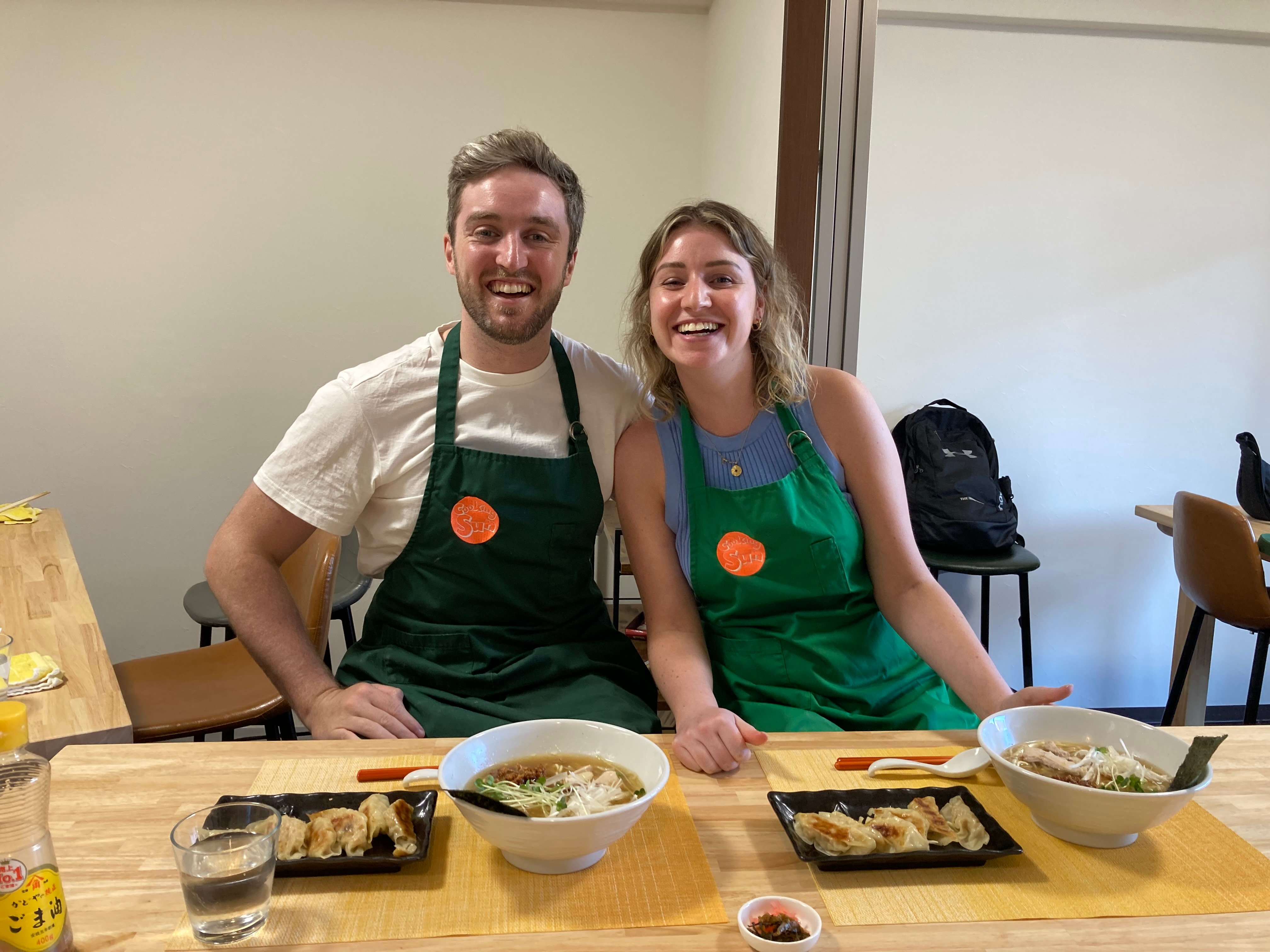
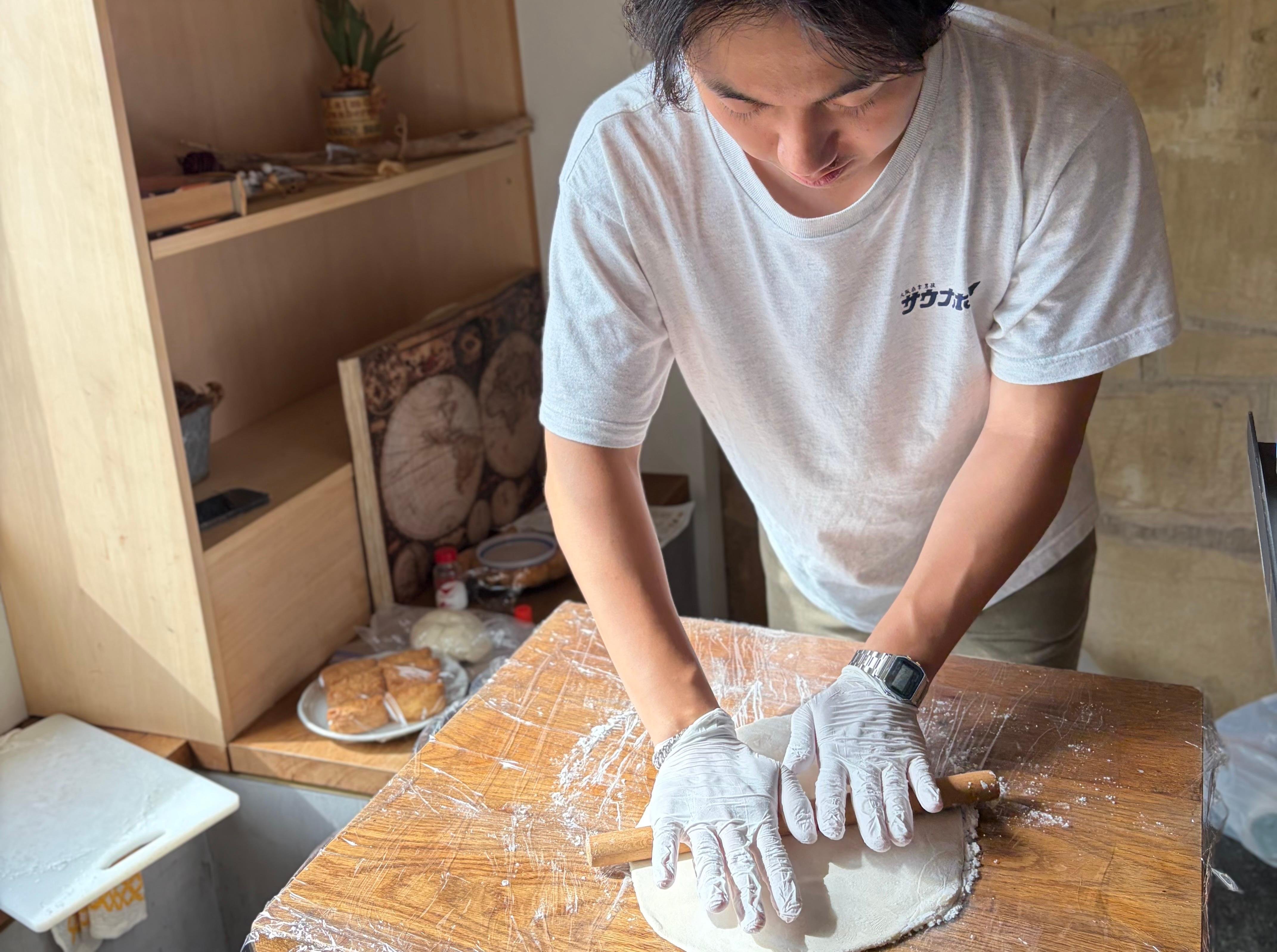
Master authentic Japanese noodle soup and dumplings in a hands-on culinary workshop led by expert chefs.
1 hour
Free Cancellation
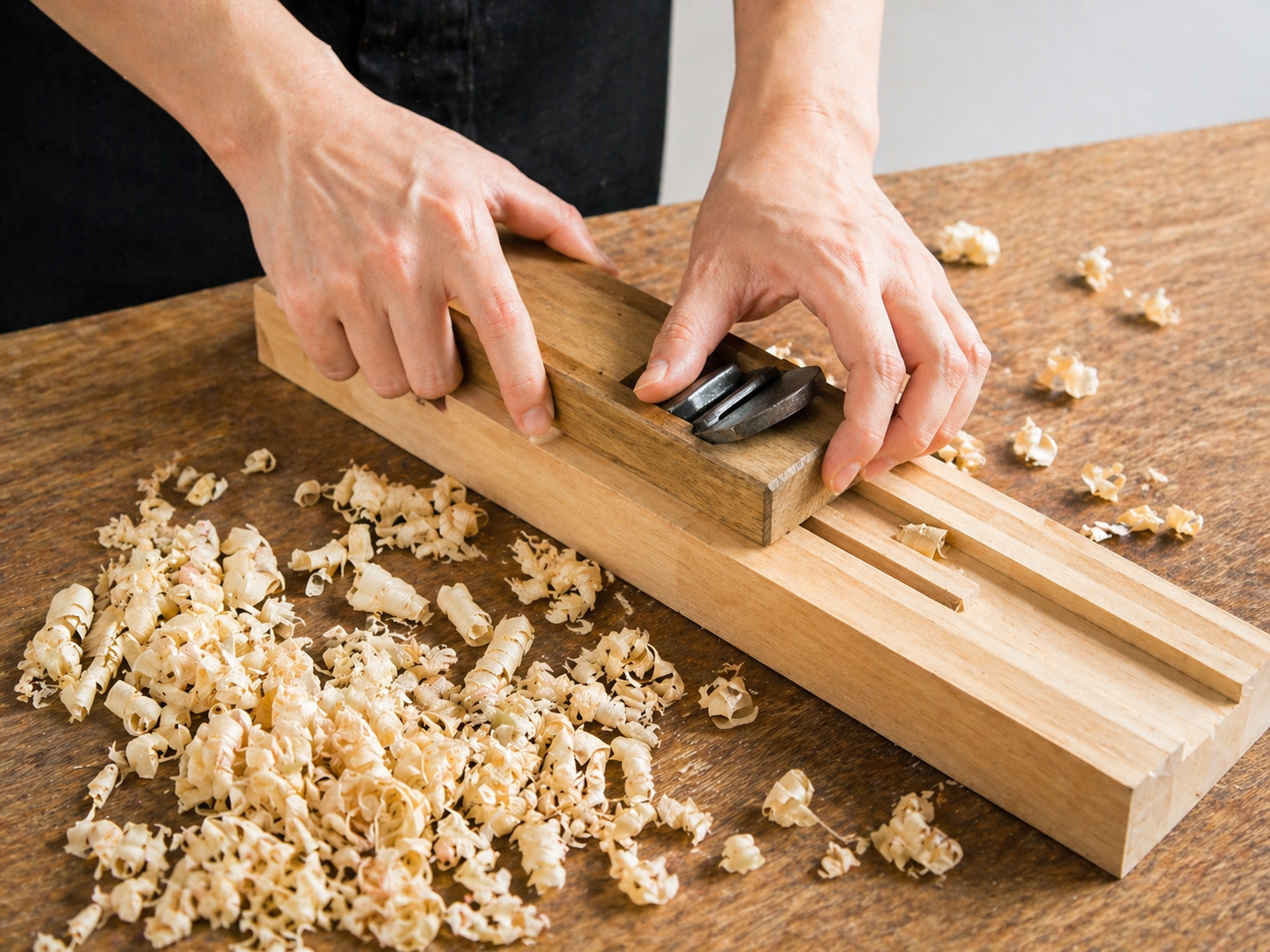
Shape your own chopsticks from natural wood using authentic Japanese techniques in this hands-on session
2 hours 30 minutes
Free Cancellation
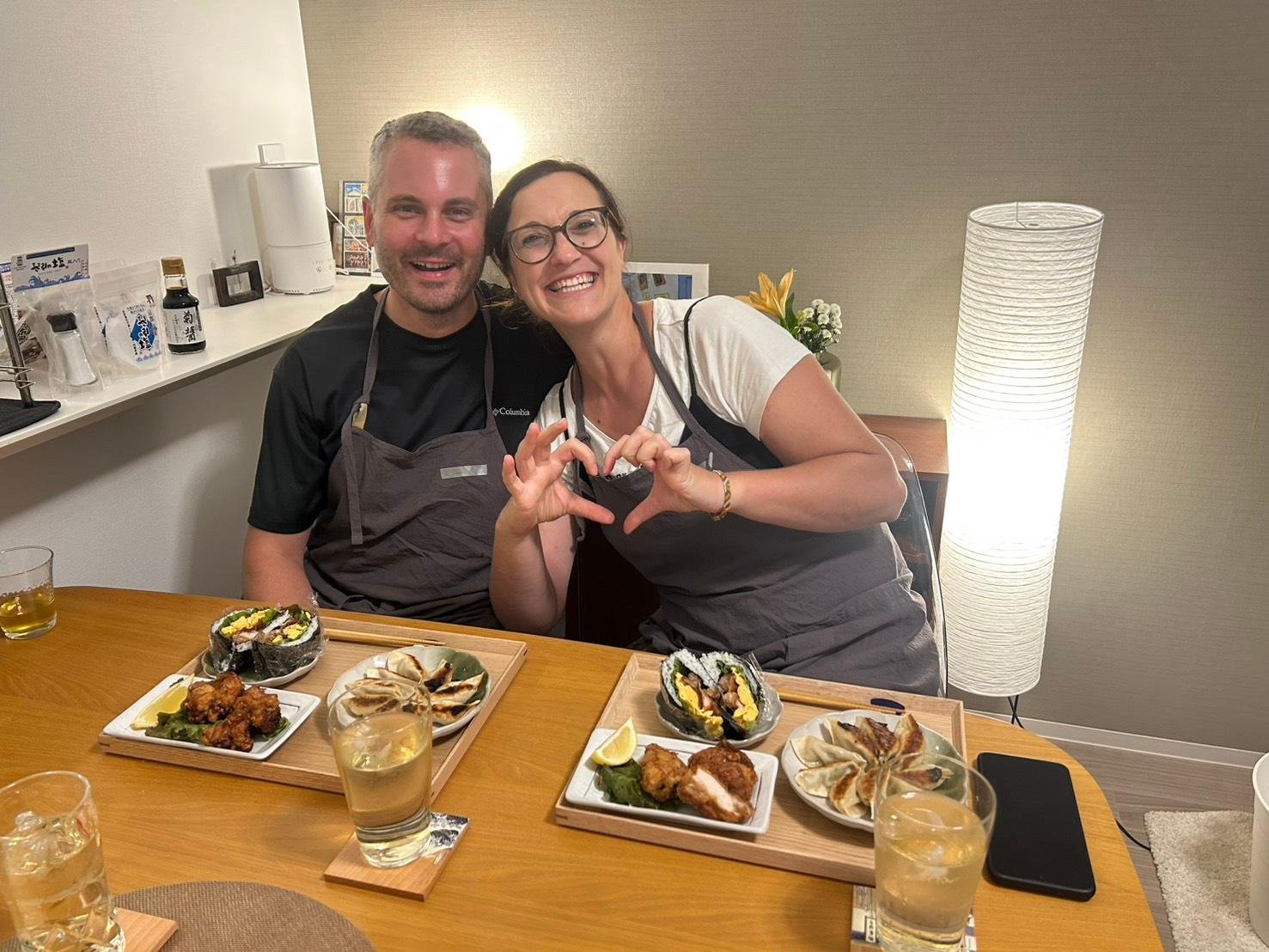
Cook authentic Japanese dishes in a local's kitchen with up to 5 guests in this hands-on culinary experience
1.5 hours
Free Cancellation
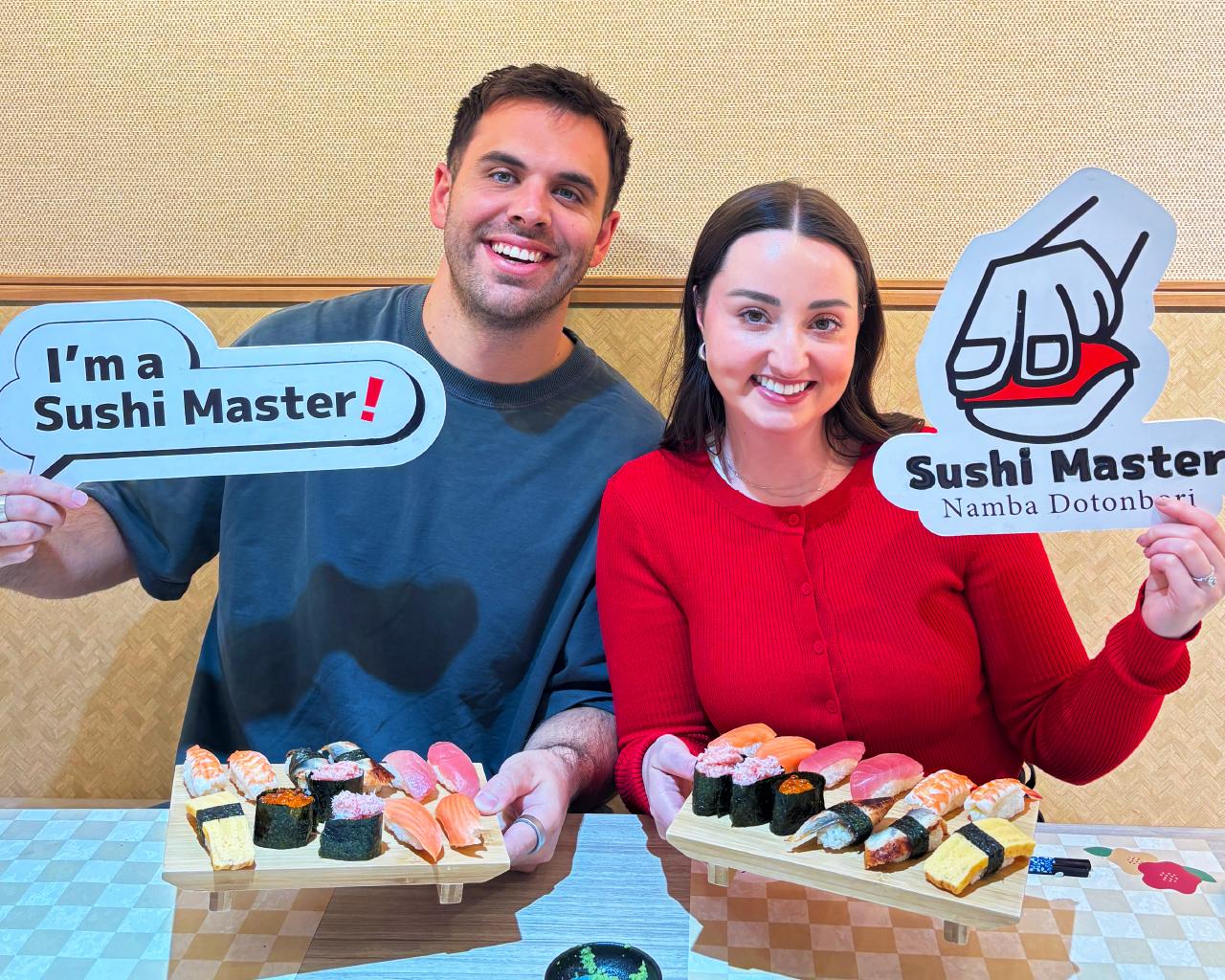
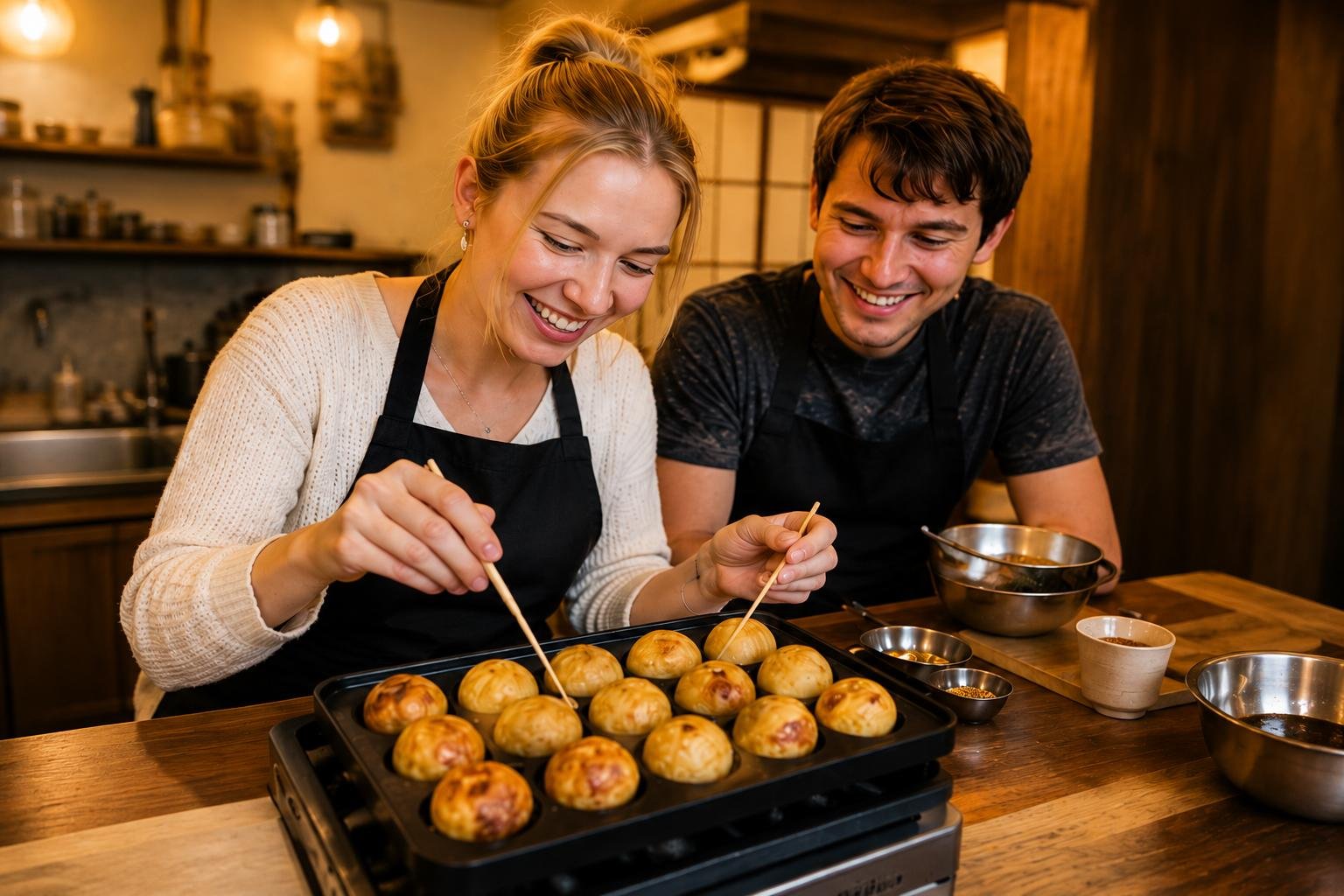
Create authentic nigiri and maki sushi alongside a professional chef at a traditional restaurant
3 hours
Free Cancellation
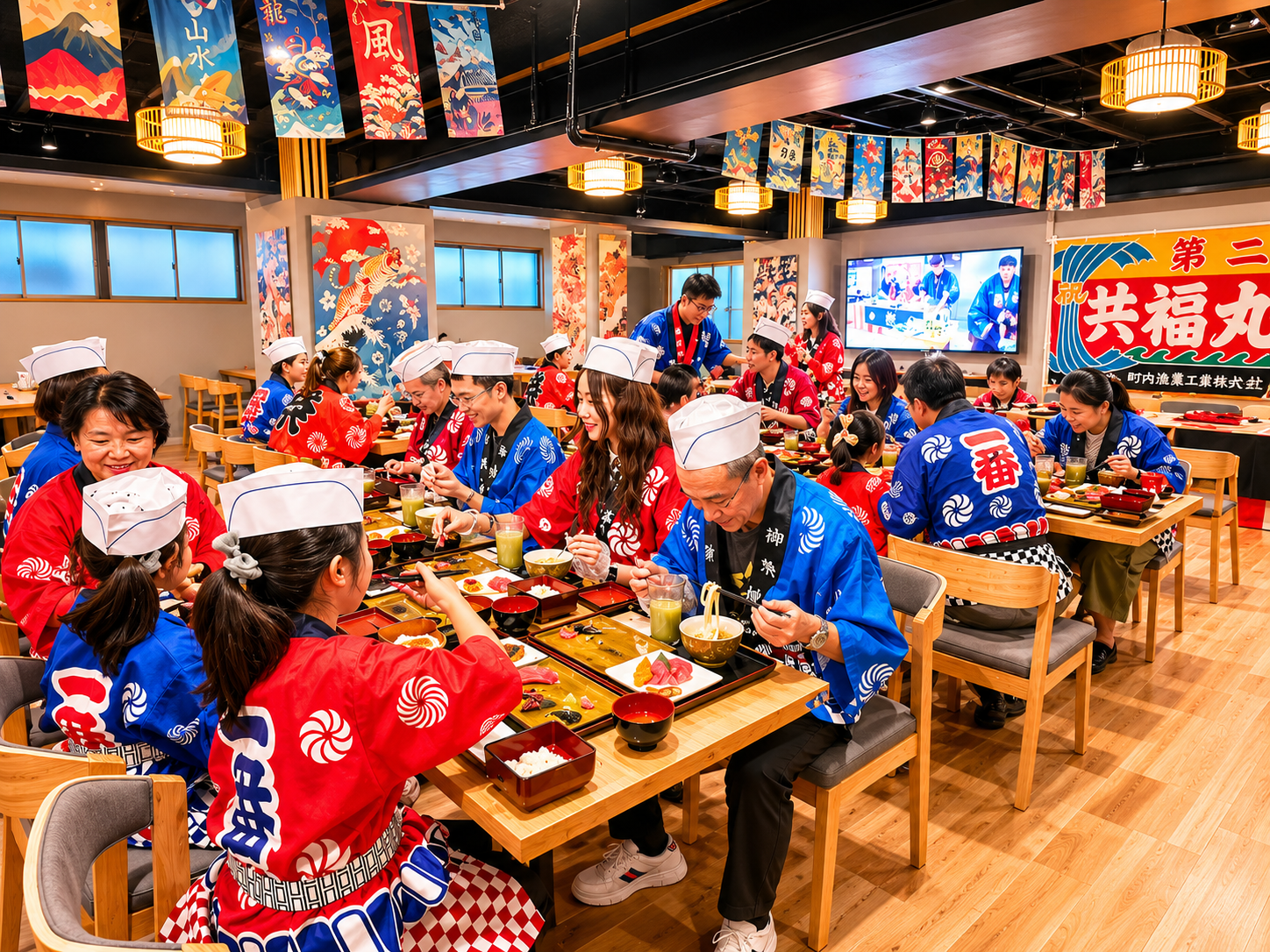
Learn to make fresh udon noodles and crispy tempura, then play traditional Japanese games in central Osaka.
2 hours
Free Cancellation
Master three iconic Japanese dishes in a hands-on culinary workshop led by a local chef in Osaka.
1.5 hours
Free Cancellation
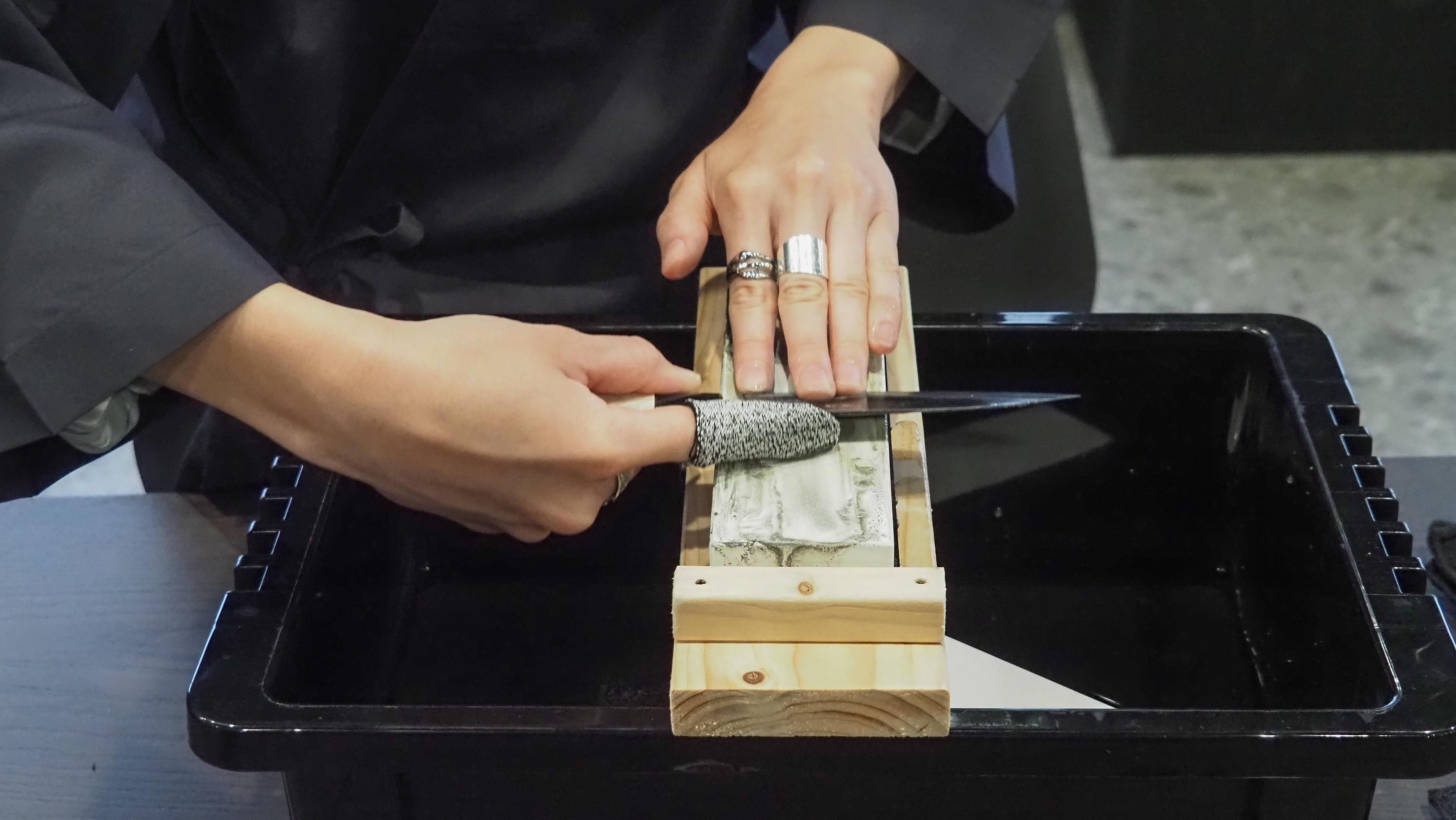
Forge, sharpen, and personalize your own Japanese blade in a hands-on workshop led by expert artisans.
3 hours
Free Cancellation
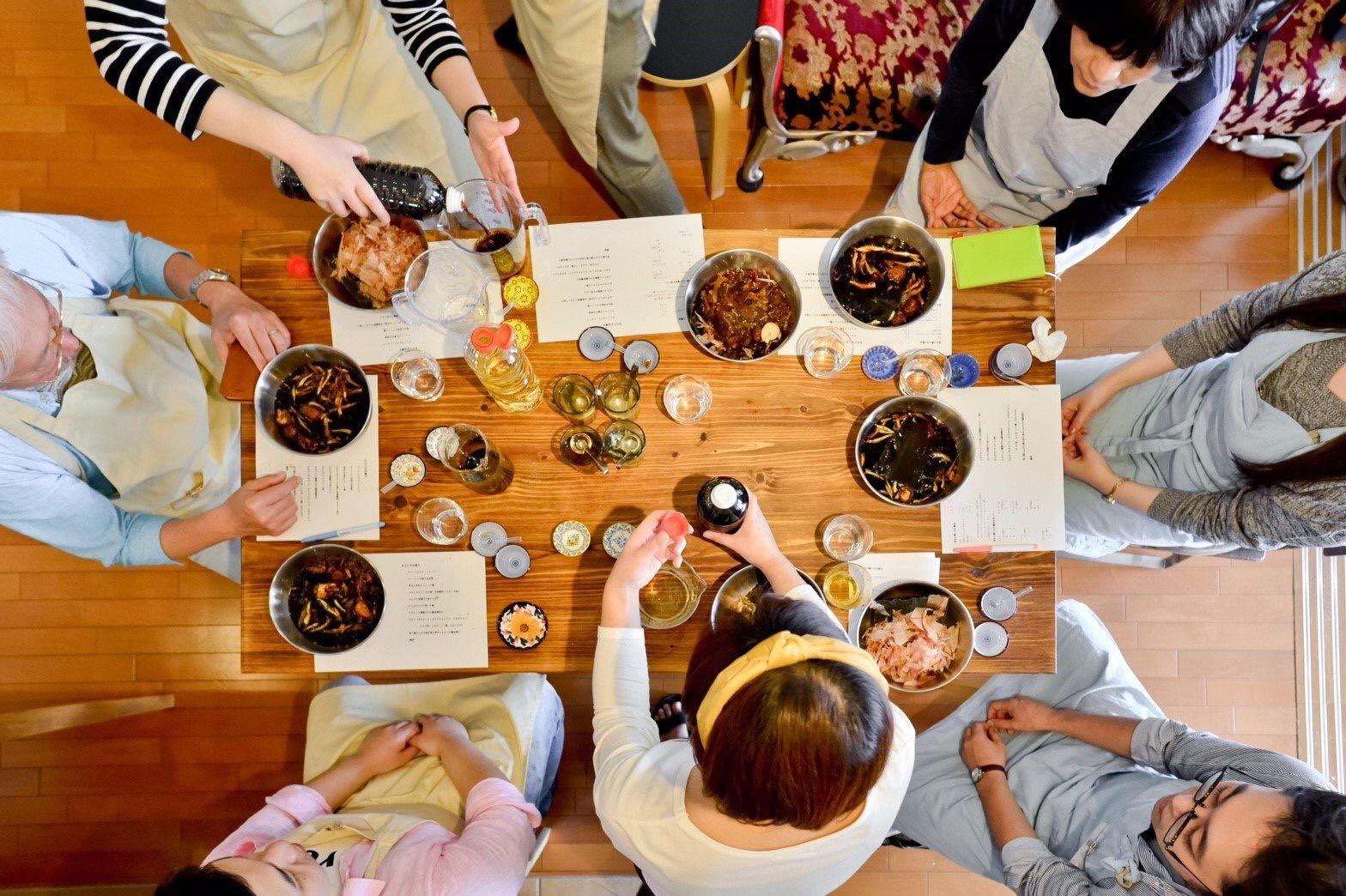
Master authentic ichiju sansai cuisine in a local kitchen, from dashi broth to miso soup.
Meet your chef and learn about local ingredients
Practice knife skills for osaka cooking class sushi
Assemble and plate your sushi creations
Enjoy the meal prepared during the class
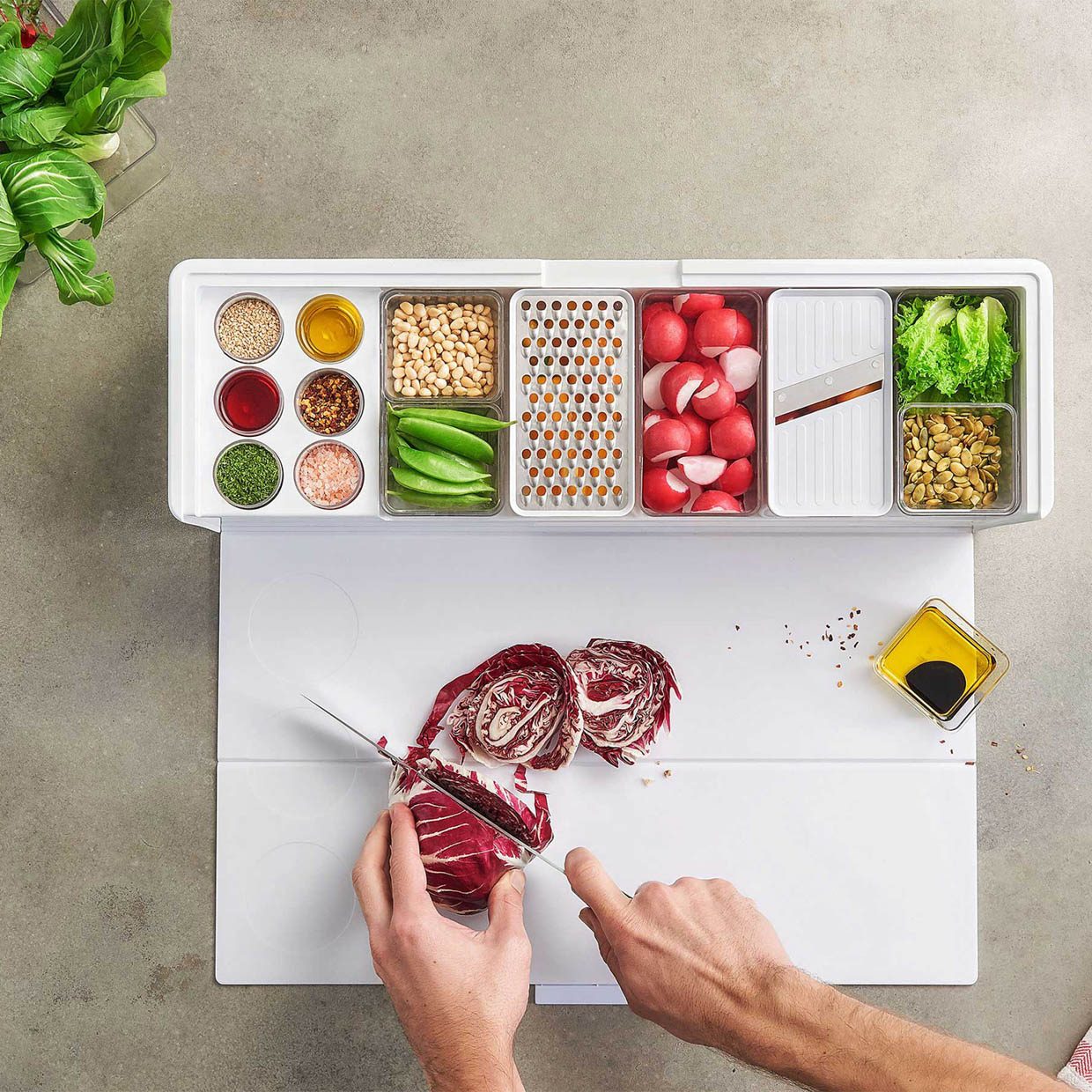
A professional space designed for hands-on sushi making. It features specialized cutting boards and tools
Chef Kitchen view
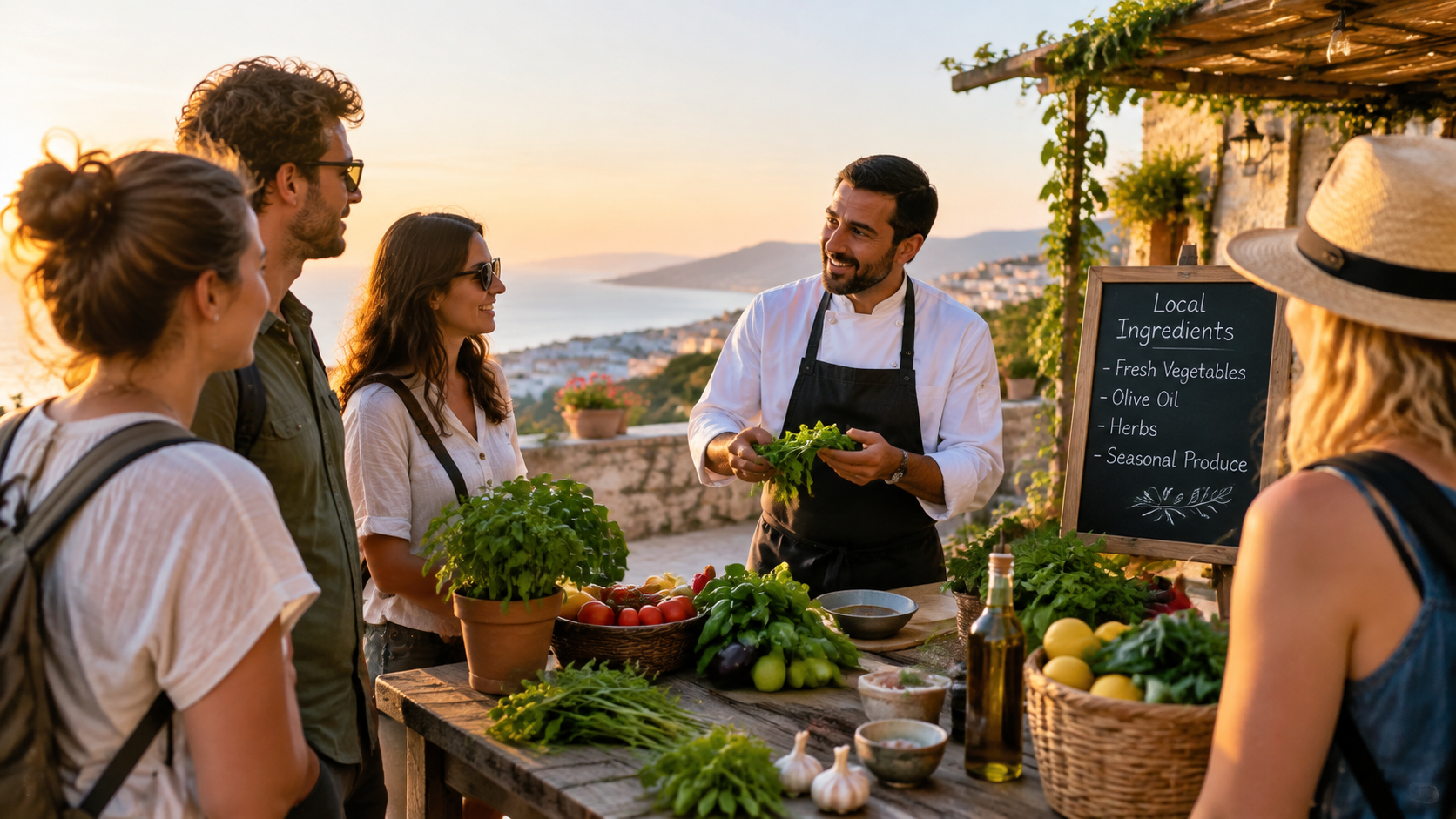
Discover the fresh seasonal items used in your sushi. You will learn about sourcing quality fish and rice
Local market view
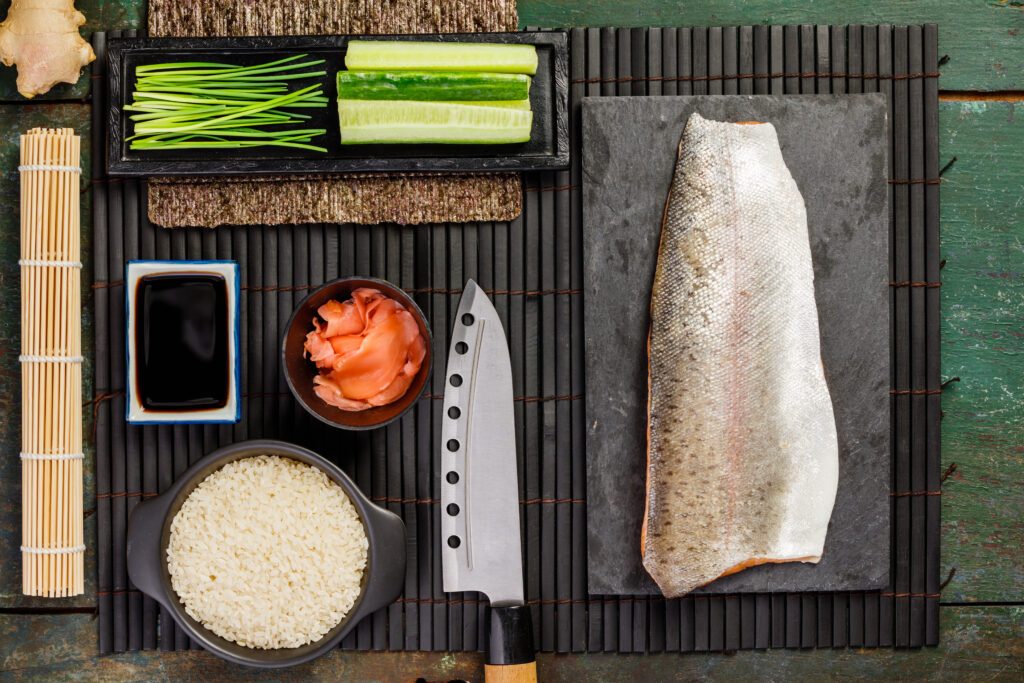
Master the art of using a bamboo mat. This is essential for creating authentic rolls during your osaka cooking class sushi
Rolling mat view
Learn the precise knife techniques required for slicing fish. This area focuses on professional Japanese culinary standards
Sashimi prep view
Enjoy your finished meal in a traditional setting. This is the conclusion of your osaka cooking class sushi experience
Dining area view
You arrive at a Namba studio tucked behind a covered shopping arcade, climb narrow stairs to a second-floor kitchen where aprons and cutting boards wait at each station.
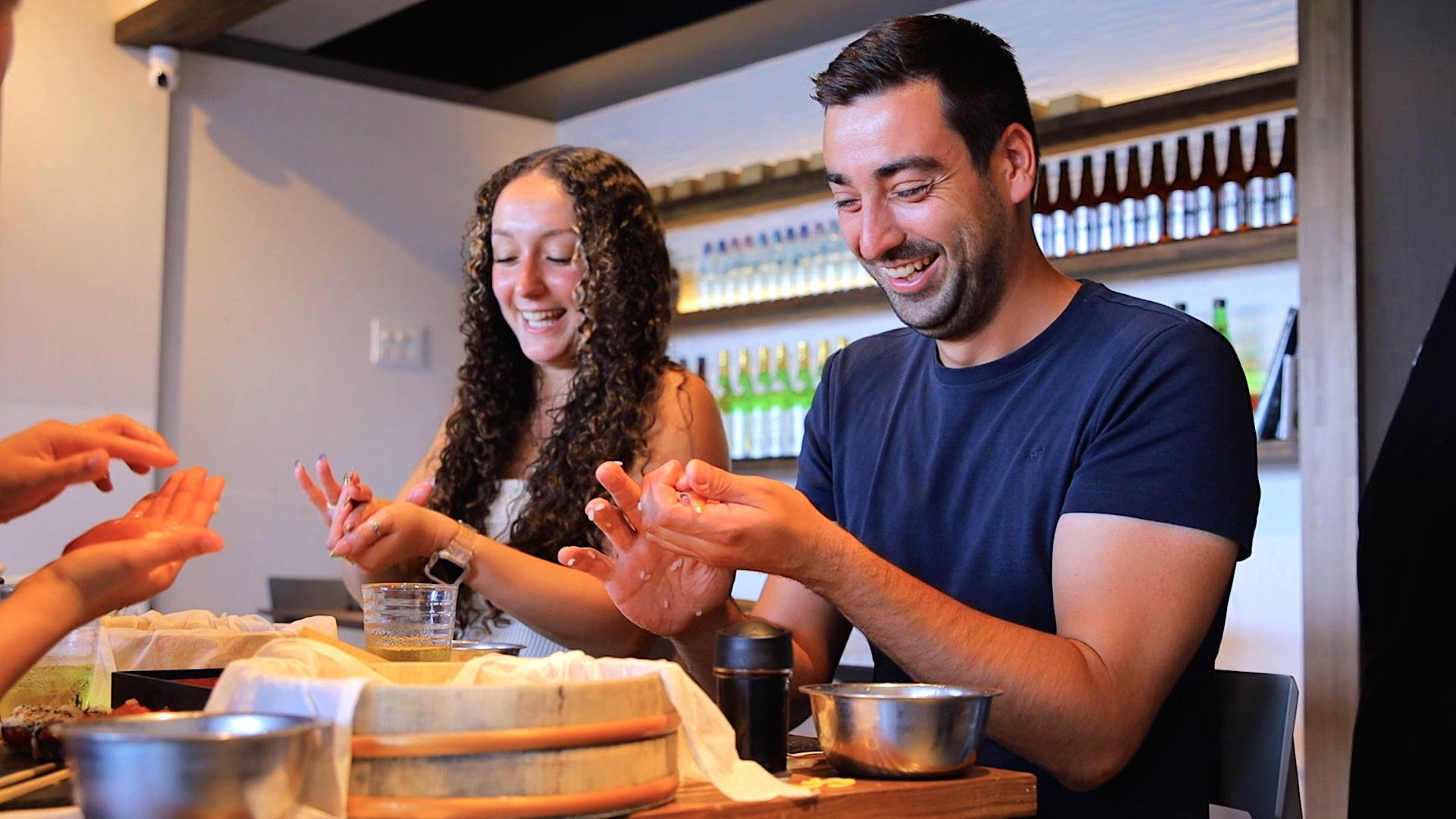
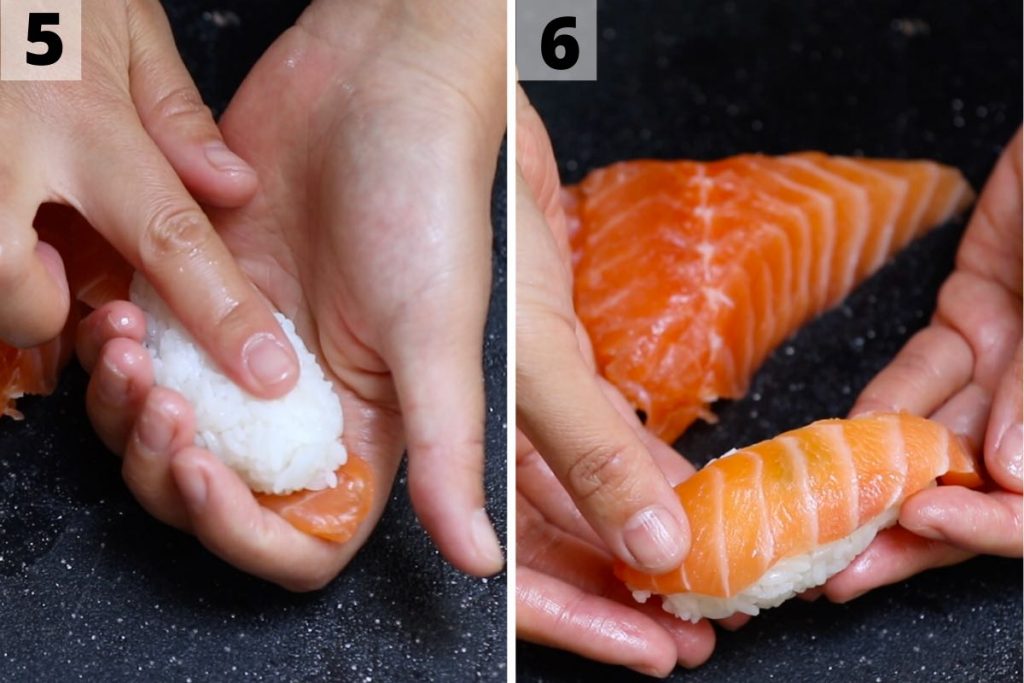
The instructor demonstrates nigiri form—how to cup rice in your left palm, press with three fingers, drape salmon across the top—then hands you a bowl of seasoned shari still warm from the hangiri tub.
You shape your first piece, rice spilling between your fingers until you adjust your grip and feel the grains cohere under gentle pressure. The instructor corrects your knife angle as you slice tuna into rectangular blocks, then shows you how to moisten the nori sheet for a cucumber maki roll. You arrange six pieces on a wooden tray, photograph them under studio lighting, then eat your work while the instructor brews green tea and answers questions about wasabi provenance and rice vinegar ratios.
By the session's end you have produced eight nigiri, two rolls, and a bowl of miso soup from dashi you whisked yourself. You leave with a recipe card, a set of disposable chopsticks, and muscle memory in your fingers that will guide your next attempt at a cutting board thousands of kilometers away.
All the details about your upcoming adventure in one place
Namba's cooking studios occupy renovated machiya townhouses within walking distance of Dotonbori's neon corridor, where culinary instructors trained in Edomae sushi technique guide visitors through the physics of vinegared rice and the geometry of maki rolls.
The district's workshops emerged in the late 2000s as Osaka's tourism infrastructure expanded beyond castle grounds and temple circuits, offering travelers a tactile entry point into washoku culinary tradition without the formality of kappo counters or the expense of omakase dining.
Osaka cooking class sushi experiences center on nigiri shaping and hosomaki rolling, skills that professional itamae spend years refining but that instructors distill into two-hour sessions using pre-portioned neta and carefully calibrated shari. Studios source tuna from Kuromon Market, salmon from Norwegian suppliers approved by the Japanese Ministry of Health, and tamagoyaki from nearby ateliers that specialize in rectangular egg blocks. Participants work at stainless-steel counters under guidance that balances demonstration with hands-on practice, learning to press rice with minimal compression and slice fish against the grain at precise angles.
The workshops operate in parallel with Namba's ramen and gyoza classes, reflecting Osaka's identity as a kuidaore city—a place to eat until you drop—where culinary education doubles as cultural immersion. Unlike Tokyo's Tsukiji-adjacent studios that emphasize market tours, Osaka's cooking schools focus on technique and repeatability, equipping visitors with recipes and knife skills they can replicate at home. Classes run throughout the day from morning through evening slots, accommodating cruise passengers, business travelers, and families seeking alternatives to passive sightseeing.
Instructors speak English and Mandarin in addition to Japanese, and studios provide aprons, knives, and recipe cards printed in multiple languages. The format removes barriers to participation: no prior cooking experience is required, and dietary restrictions are accommodated with advance notice. Participants consume their prepared dishes at the end of each session, transforming the workshop into a self-catered meal that costs less than a mid-tier izakaya dinner while delivering both sustenance and skill acquisition.
Culinary instructors trained in Edomae sushi technique guide visitors through the physics of vinegared rice and the geometry of maki rolls.
Casual and comfortable clothing is recommended for an osaka cooking class sushi session. Please ensure sleeves can be rolled up easily for sanitation while handling ingredients.
Secure storage areas for personal items are provided during the osaka cooking class sushi experience. Large suitcases should be left at your hotel as space is limited.
Photography is encouraged during the osaka cooking class sushi instruction. Please be mindful of other participants when capturing your culinary creations.
Families are welcome to join an osaka cooking class sushi tour together. Children must be supervised by an adult at all times while using kitchen tools.
The venue for your osaka cooking class sushi is wheelchair accessible. Please inform the team of any specific mobility requirements prior to your arrival.
All necessary ingredients are provided for your osaka cooking class sushi session. Participants will consume the meals they prepare during the class.
Opening Hours
09:00–21:00
Address
Namba, Chuo Ward, Osaka, Japan
Accessibility
Wheelchair accessible facilities available
Best Arrival Window
09:00–19:00
Storage
Limited space for large bags
Location
Central Namba district
Public transport · 10 min · Cost varies by origin
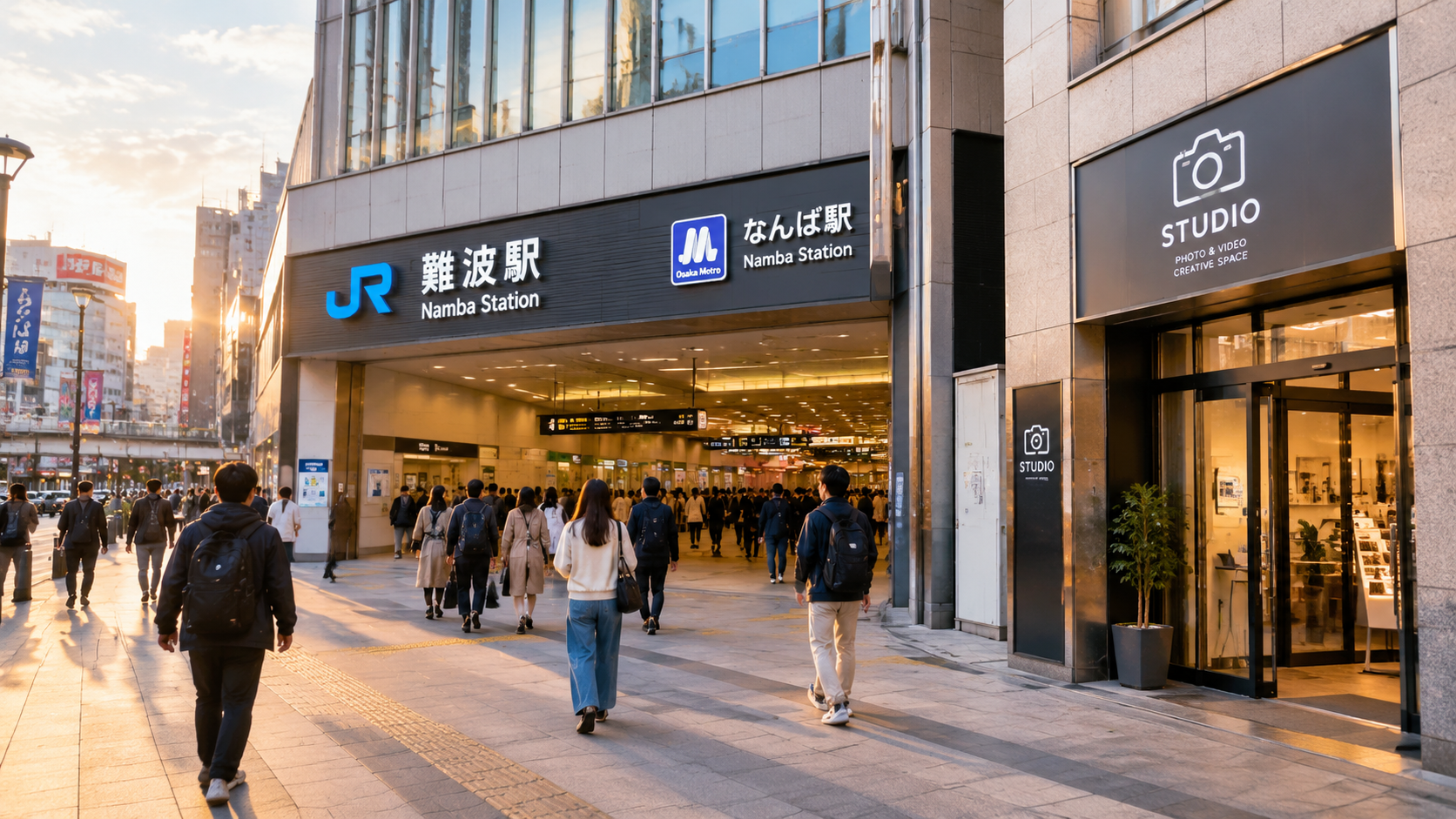
Take the Midosuji Line to Namba Station. The studio is a short walk from the station exit.
Taxi · 20 min · Depends on distance
Request a taxi to Namba, Chuo Ward. Traffic may vary depending on the time of day.
Full refunds are provided for cancellations made within the operator's specified notice period. Note that 0 JPY is charged for gate entry, as fees apply only to specific cooking class bookings.
Recommended time
3-4 hours
A typical osaka cooking class sushi session requires three to four hours to account for ingredient preparation, rice seasoning, and the hands-on nigiri rolling process. If you are participating in these japanese culinary workshops, allow additional time to enjoy your meal in Namba afterward. Booking osaka cooking class sushi tickets in advance ensures your spot, as popular midday slots experience higher demand and activity levels. Consider these osaka cooking class sushi tours as a central component of your day, balancing the precise knife skills training with a relaxed pace for enjoying the final product.
Crowd levels through the day
Weather · crowds · average price — dots go green to amber to red as each metric rises.
September to November offers comfortable temperatures for exploring Namba after your class. Many local festivals occur during this period.
December to February provides a cozy atmosphere for indoor cooking activities. This is a quiet period for local landmarks.
March to May is pleasant for walking through the city before your booking. Cherry blossoms are a highlight.
June to August is warm, making indoor experiences a comfortable way to avoid the heat. Classes are popular with visitors.
Secure your osaka cooking class sushi tickets early to ensure availability. Weekend slots often fill up quickly.
Use the 09:00–19:00 arrival window to settle in. Starting on time allows for a more relaxed pace.
You will be standing for much of the osaka cooking class sushi process. Supportive footwear is recommended.
The instructors are happy to explain the history behind your osaka cooking class sushi dishes. Engaging with them enhances the experience.
While drinks are part of the session, keep water handy during your day. Osaka's autumn can still be quite warm.
Namba, Chuo Ward, Osaka, Japan
Look for the studio signage near the main exit
Get directionsHome cooking traditions in Osaka trace their roots to the Edo period, when the city's merchant class developed a distinct culinary identity centered on dashi, seasonal ingredients, and precision knife work. By the late 19th century, sushi had evolved from Edo-style fast food into a craft requiring years of apprenticeship, with techniques closely guarded within family-run establishments. The post-war economic boom brought Western culinary education models to Japan, yet hands-on cooking instruction for visitors remained rare until the 1990s. The concept of structured osaka cooking class sushi experiences emerged in the early 2000s, when Osaka's tourism board began promoting experiential travel to differentiate the city from Tokyo's high-end omakase scene. Small machiya townhouses in Namba and Dotonbori were converted into teaching kitchens, staffed by retired itamae chefs who adapted traditional apprenticeship methods into two-hour workshops. These classes focused on nigiri fundamentals: rice seasoning with red vinegar, fish butchery, and the hand-forming technique that distinguishes Kansai-style sushi from its Tokyo counterpart. A turning point arrived in 2010 when UNESCO recognized washoku as intangible cultural heritage, triggering a surge in culinary tourism. Osaka cooking class sushi tours expanded to include market visits to Kuromon Ichiba, where participants selected live seafood and learned the economics of seasonal fish auctions. The 2015 opening of accessible cooking studios near Namba Station democratized what had been niche workshops, drawing families and solo travelers alongside food professionals. By 2020, English-language instruction and vegan adaptations had become standard, though purists debated whether modernization diluted the craft. Today's classes balance tradition with accessibility, teaching the same rice-to-fish ratios and knife angles passed down since the Meiji era while accommodating dietary restrictions unimaginable to earlier generations.
Osaka's merchant class develops dashi-centered home cooking traditions and precise knife techniques.
Sushi evolves from street food into a craft requiring multi-year apprenticeships in family shops.
Tourism initiatives convert Namba machiya townhouses into teaching kitchens for hands-on sushi workshops.
UNESCO washoku recognition triggers exponential growth in culinary tourism and experiential cooking classes.
Accessible studios open near Namba Station, expanding osaka cooking class sushi tickets to mainstream travelers.
English instruction and dietary adaptations become standard while preserving Meiji-era rice ratios and knife methods.
Stand at the end of the prep table to capture the overhead shot of your prepared nigiri and maki rolls with the bamboo rolling mat in the foreground. This provides a clean aesthetic for documenting your progress during an osaka cooking class sushi session.
Position your camera at eye level near the ingredients station to photograph the vibrant colors of fresh sashimi-grade fish and seasoned vinegared rice. This angle highlights the craftsmanship involved in authentic osaka cooking class sushi tours.
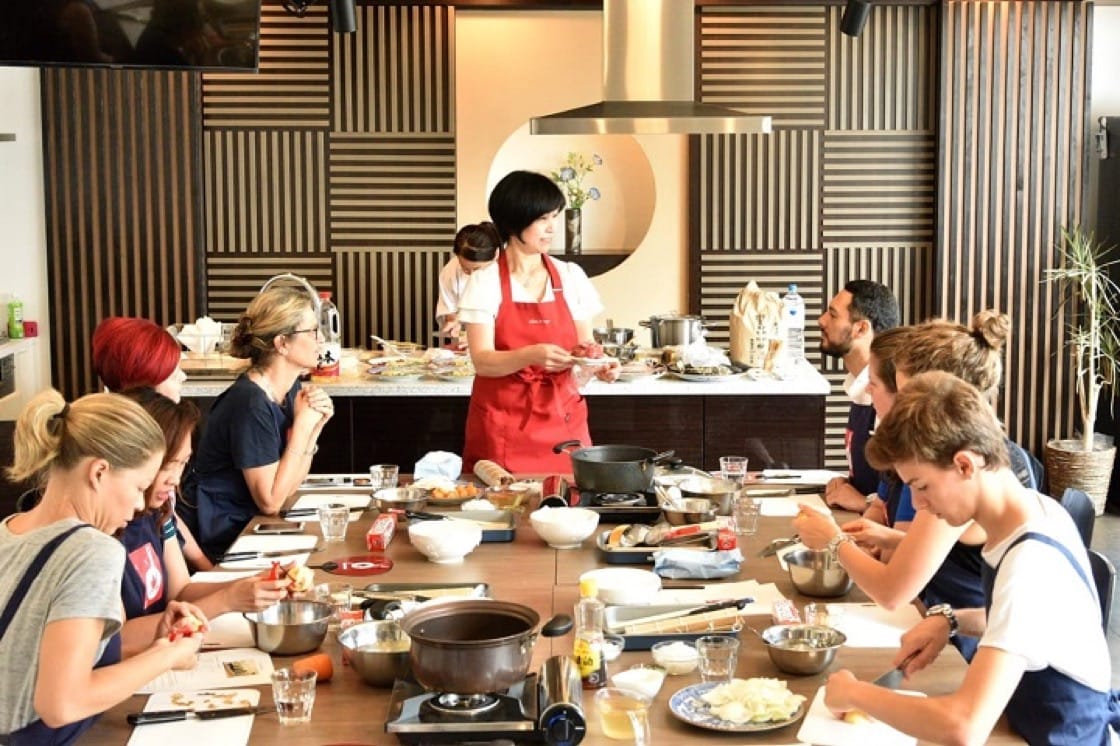
Capture a wide-angle shot from the back of the room to document the interaction between the chef and participants during the demonstration. This spot offers a perspective of the learning environment for those looking for osaka cooking class sushi tickets.
Focus on the detailed hand movements of the instructor while they demonstrate precise knife skills for the group. This close-up shot is ideal for an osaka cooking class sushi tour memory.
Participating in an osaka cooking class sushi experience provides a hands-on way for families to engage with local culinary traditions. While the kitchen environment requires supervision, these sessions offer a memorable way to learn the delicate art of vinegared rice preparation and seafood selection.
Children aged 6 and older generally manage the kitchen tools best, though younger participants can join osaka cooking class sushi tours with parental assistance during the cutting steps.
The Namba facility is compact, so collapsible strollers are recommended; please leave larger models at your accommodation as storage space is limited.
There are no specialized baby-change tables on-site, so plan for your child's needs before arriving at the address in Chuo Ward.
Select a morning slot if your children have shorter attention spans, as these sessions allow you to secure osaka cooking class sushi tickets for a time that matches their energy levels.
Since these workshops involve raw fish and shellfish, inform the instructors of any dietary restrictions well before your osaka cooking class sushi tour begins.
Namba is a culinary hub, making it easy to find authentic flavors after your osaka cooking class sushi session. Explore the vibrant Dotonbori district, where you can sample fresh seafood and traditional Japanese delicacies within a short walk of your classroom.
Famous for its crab dishes, this landmark is perfect for those who want to continue their Japanese culinary education after osaka cooking class sushi tours.;Takoyaki Wanaka
Everything you need to know for your journey
The studio is open daily from 09:00–21:00. You should aim to arrive within the 09:00–19:00 window for your class.
Yes, the venue for osaka cooking class sushi is wheelchair accessible. Please notify the staff of specific needs.
No, external food is not permitted. All ingredients for your osaka cooking class sushi are provided by the operator.
Yes, you are encouraged to take photos during your osaka cooking class sushi experience. Be respectful of others.
Book as early as possible for these popular osaka cooking class sushi sessions. Autumn is a busy season for visitors.
There is no strict dress code, but casual clothes with short or rollable sleeves are best for the osaka cooking class sushi.
Yes, children are welcome to participate in the osaka cooking class sushi. Please ensure they are supervised at all times.
The location is in Namba, Chuo Ward. Use the Midosuji Line to reach Namba Station for the osaka cooking class sushi.
Full refunds are available for cancellations made within the notice period. Fees apply to specific class bookings.
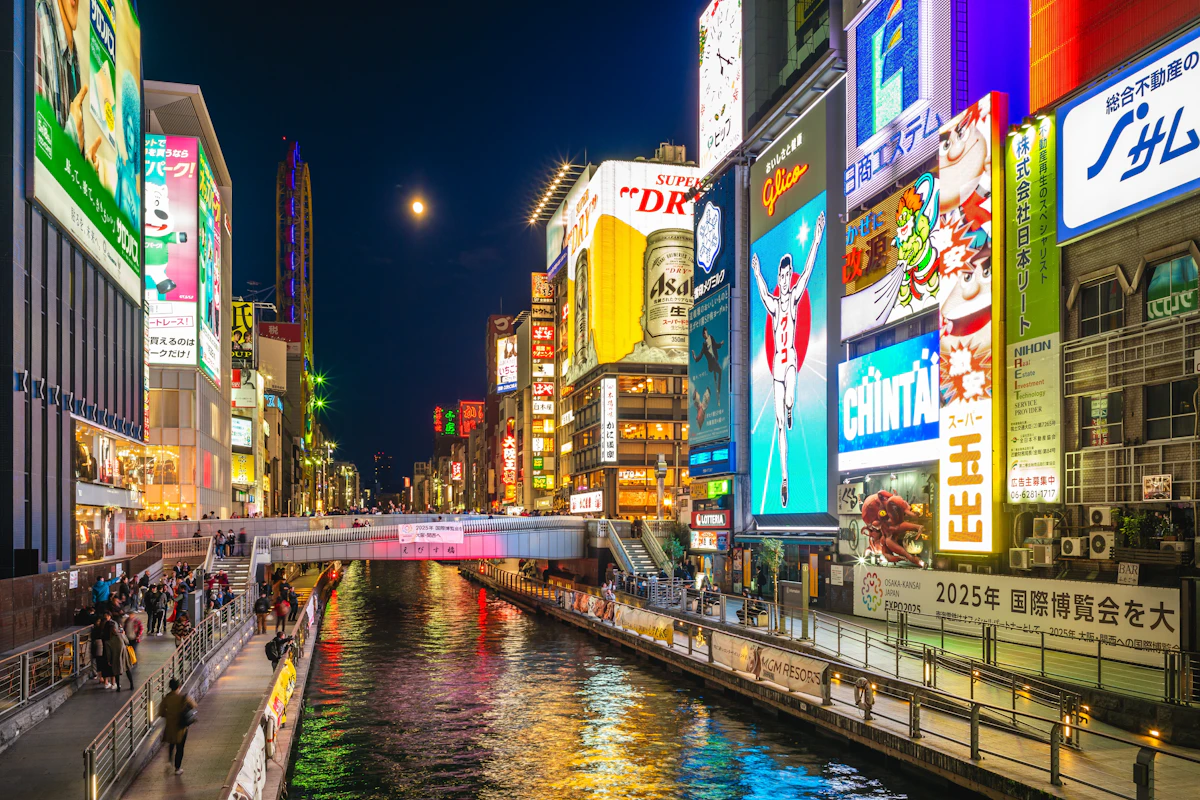
A vibrant district famous for its neon lights and canal. It is perfect for evening walks after your osaka cooking class sushi.
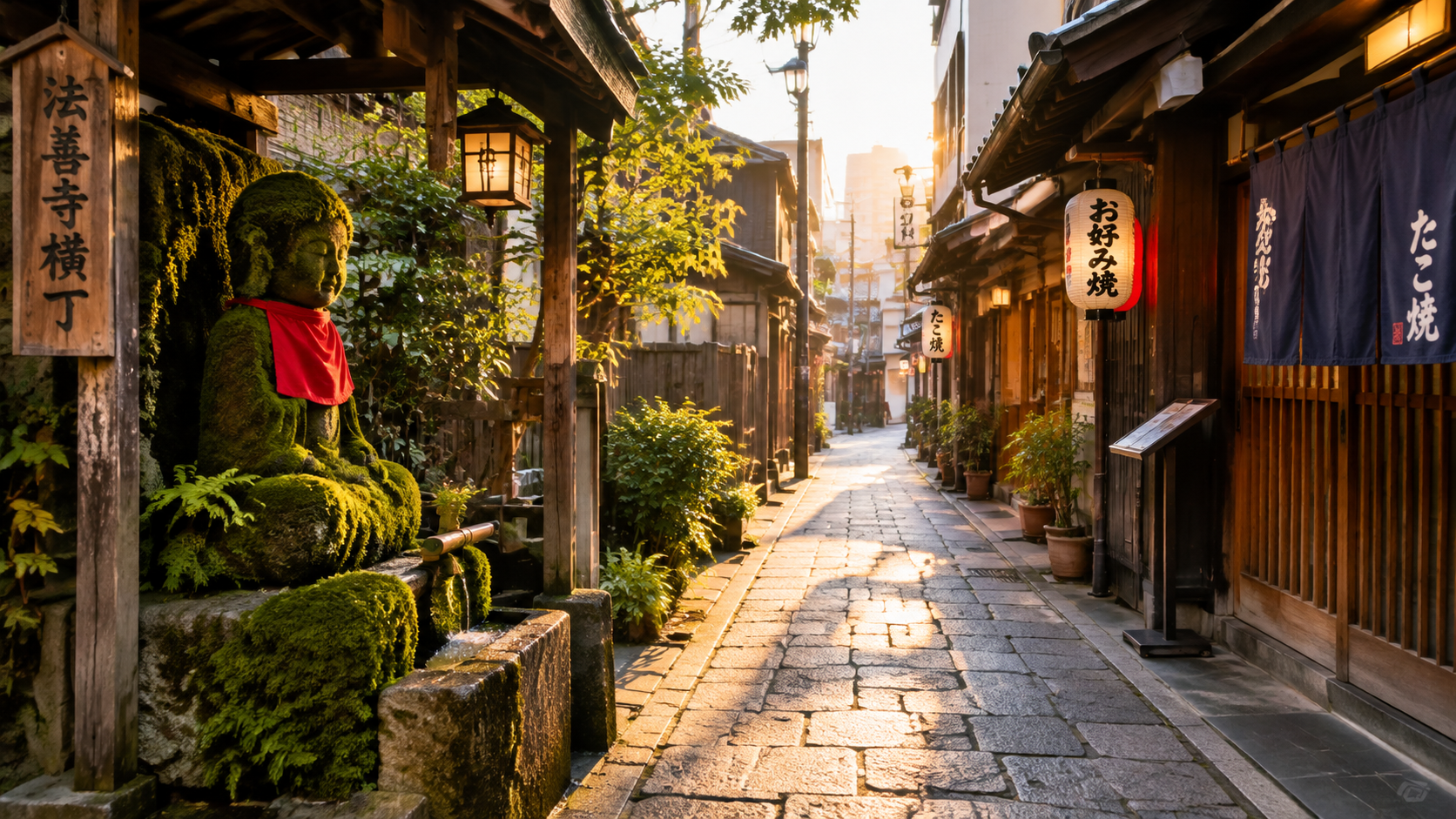
A historic alleyway known for its moss-covered statue. It offers a glimpse into traditional Osaka.
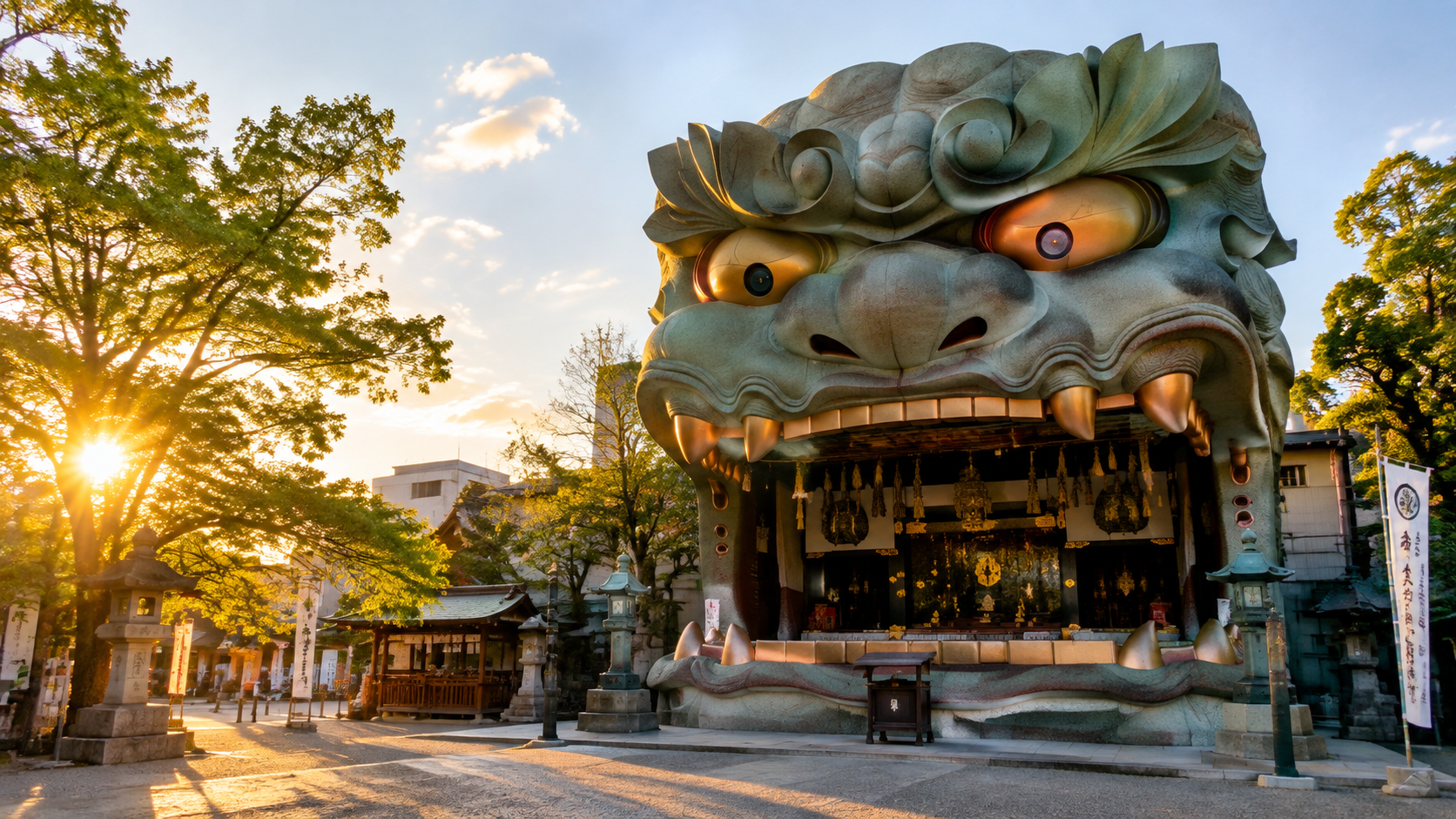
A unique shrine featuring a large lion head stage. It is a striking architectural site.
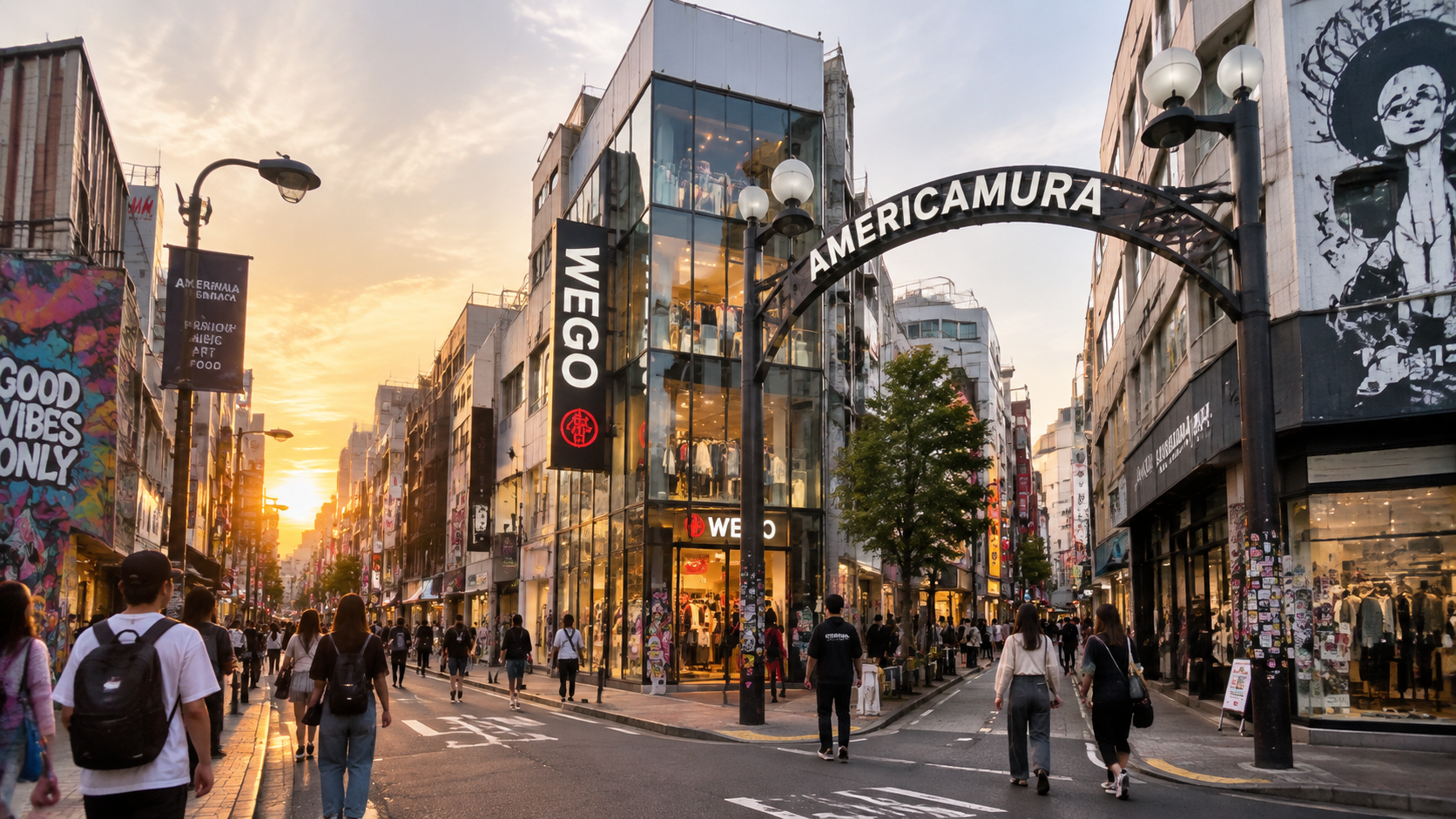
A trendy area known for its unique fashion and youth culture. It provides a contrast to traditional neighborhoods.
Conveniently located near the cooking studio
Stylish accommodations with easy transit access
A well-known hotel near Shinsaibashi
Several options exist within the Chuo Ward area
Join thousands of happy travelers who have discovered this incredible experience
Book Your Experience Now